
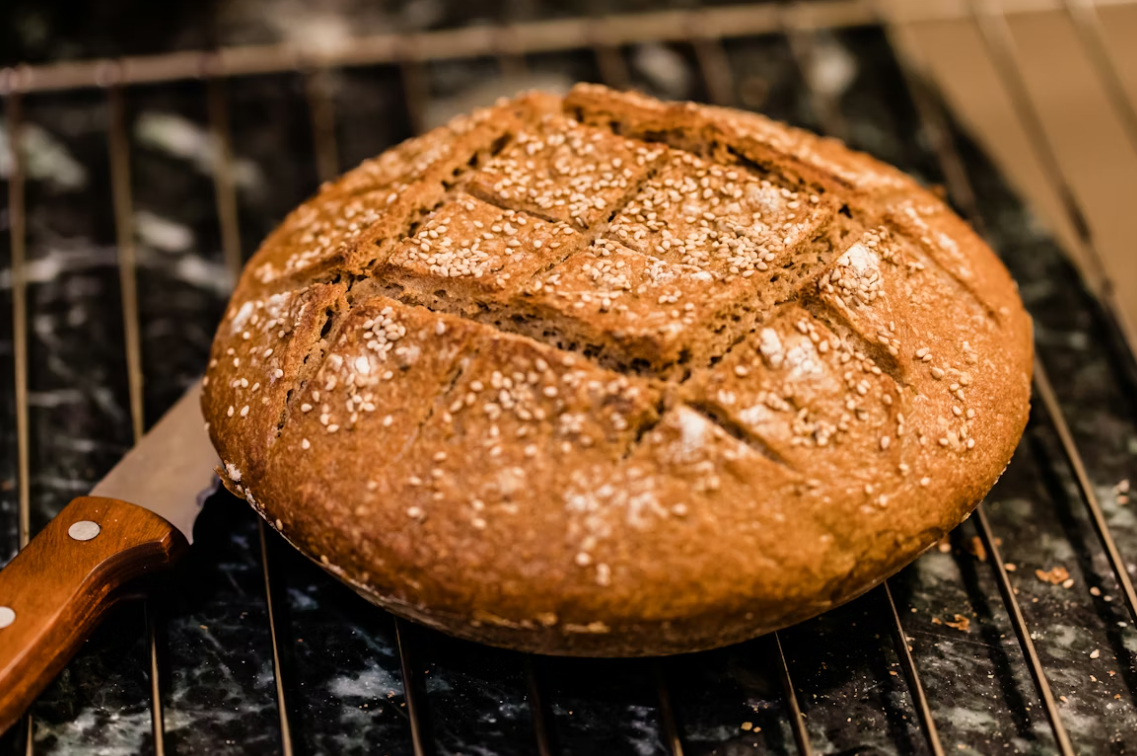
Gluten-free cooking can deliver delightful results when handled with precision and care. Each ingredient plays a vital role in maintaining structure and taste. Proper understanding of balance turns a simple dish into a healthy and satisfying experience. Readers seeking wholesome recipes can adopt mindful methods that improve consistency and texture with ease.
Food experts, for example, Emmy Clinton, emphasize how thoughtful preparation enhances flavor while preserving natural goodness. Every choice from flour to timing influences the outcome more than one might expect.
1.Incorrect Flour Choice Destroys Texture
Gluten-free flours vary in density, taste, and moisture absorption capacity. Using one type alone limits flexibility and weakens structure. Combining light and whole-grain flours creates harmony and improves overall crumb consistency. Balanced blends prevent toughness and keep baked items pleasantly tender inside.
Every flour choice directly affects softness and flavor distribution throughout. Selecting wisely ensures stability without sacrificing lightness or taste. The right combination builds smoothness and ensures flavor remains even across every bite.
2.Lack of Binders Causes Crumbly Results
Binders act as the support system that gluten-free recipes naturally lack. Leaving them out creates fragile, uneven textures that collapse after cooling. Simple ingredients like eggs or chia seeds maintain shape without dryness. Correct binder quantity locks in moisture and builds a stable foundation.
This subtle addition enhances chewiness and texture balance with ease. Consistent binding preserves every bite’s softness and flavor integrity. Proper binder choice guarantees structure without losing any pleasant mouthfeel.
3.Cold Liquids Harden Doughs
Temperature management defines dough consistency during mixing stages. Cold liquids restrict flexibility and create stiff, uneven textures. Lukewarm liquids dissolve fats better and smooth the mixture completely. Gentle warmth encourages even distribution of starch and moisture
Each batch benefits from steady handling across all ingredients. Controlled temperature maintains softness while supporting proper gluten-free texture. Keeping liquids moderately warm keeps doughs pliable and easy to handle during preparation. A gluten-free diet benefits from such careful steps that secure softness without losing taste.
4.Insufficient Rest Time Leads to Dryness
Rest allows flours to absorb moisture and stabilize before baking. Skipping this pause leaves batters uneven and dry. Allowing proper rest ensures hydration reaches every grain evenly. This step guarantees a light, uniform crumb across all recipes.
Texture turns soft, and taste becomes balanced with gentle patience. Giving mixtures time to settle always rewards with smooth, moist results. Resting time shapes flavor and improves the natural tenderness in every bake.
5.Excess Cooking Removes Natural Flavors
Proper temperature control shapes the character of every gluten-free dish. Exposing goods to excess heat eliminates sweetness and aroma. Careful observation helps retain tenderness and balanced taste. Monitoring color prevents dryness before it ruins texture.
Careful heat control ensures crisp surfaces while keeping centers moist and tender inside. Perfect timing safeguards flavor while preserving natural structure and comfort. Balanced heat control protects every layer from drying while keeping flavor rich and smooth.
True gluten-free success depends on precision, timing, and thoughtful ingredient choices. Guidance from experts like Emmy Clinton highlights how technique shapes both texture and nutrition. Healthy recipes built around balanced flours, gentle temperatures, and adequate rest deliver lasting satisfaction. Try experimenting with varied recipes that include seeds, beans, and vegetables for added protein. Explore variety in every dish and enjoy consistent, nourishing results every time.