
Travel through taste, how cool is that, right? Well, imagine you’re exploring a Brussels market when the aroma of a Belgian waffle with pockets of caramelized sugar catches your attention.
Just a bite, and you’re transported to another world, one hidden with pleasant surprises. Well, such experiences are so tender that they can stay etched in one’s memory even decades later. Yes, don’t be surprised if the sight and flavor of waffles transports you back to that one moment.
That’s how closely food and travel intertwine. The former has its way of making a place unforgettable. Even after the suitcase is unpacked, the taste of a single dish can bring back a sudden rush of emotions. This holds even if the trip’s details are hazy.
If you haven’t before, now is the time to explore a city through its local flavors. The four approaches listed in this article will help you uncover a place’s character based on what people eat.
Nighttime Street Food Adventures
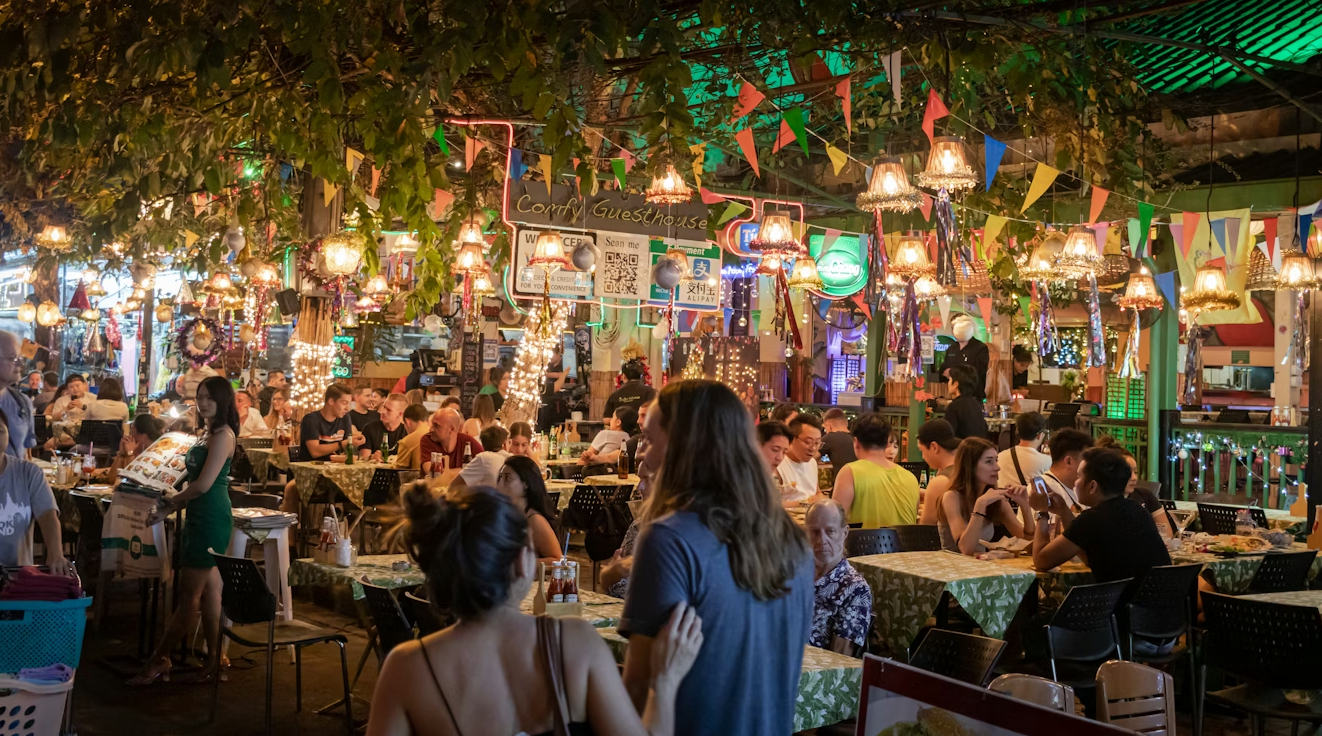
When evening sets in, a city’s culinary landscape shifts into high gear. Neon lights begin to illuminate food stalls, and smoke rises from charcoal grills. One can encounter crowds clustered around carts serving spicy skewers and sweet fried treats.
Street food and other culinary experiences are a major part of the worldwide travel boom. In 2025, the global food tourism market was valued at $967.6 billion, driven largely by travelers seeking immersive food experiences. Certain highlights of night street food culture make it truly unforgettable, including:
● Smoky, bold flavors that dominate the evening air
● Shared bites and grazing snacks that encourage exploration
● Locals and visitors mingling, thereby making food a social connective tissue
● Unexpected finds around every corner
While enjoying rich street food, many travelers balance their indulgence with practical choices. After a night of street food tasting, some relax with healthy prepared meals, which provide convenient nutrition as per one’s needs.
As Eat Crush Meals shares, ready-to-heat, precooked meals offer convenience and portion control. Even those on the move can get the nourishment they need without dimming the excitement of local food exploration. Essentially, nighttime food adventures are not just about eating late. They act as a window into how a city relaxes and connects through flavors.
Celebratory Bites Beyond the Streets
Street food does capture a city’s pulse, but some of its most telling flavors emerge in spaces reserved for celebration. Take the example of boutique hotels, historic halls, and other event locations where weddings bring together food and cultural identity.
So, sampling dishes at a popular wedding venue offers travelers more than indulgence. One can gain insights into how locals celebrate and which flavors define special occasions. Let’s be real: wedding venues often feature regional specialties and traditional cooking methods, which offer a concentrated taste of a city’s culinary heritage.
As The Madison Event Center notes, an all-inclusive venue handles most details, including catering and decor. This leads to a greater chance of finding menus that showcase regional flavors and traditional dishes. When you observe how courses are served and savored, it will take you straight to the city’s festive priorities and social rhythms.
Here’s a breakdown of why celebratory meals matter:
● They usually involve seasonal, locally sourced ingredients that highlight regional identity.
● Traditional dishes have always been known to preserve cultural heritage.
● Food presentation and serving styles display a place’s social norms and communal values.
● Dining together shows how locals celebrate and connect with each other.
In this way, even a single meal enjoyed at any event venue can become a cultural shortcut. A few immersive bites will give you a glimpse of cuisine, tradition, and community all at once.
Morning Markets and Breakfast Joints
These can be called the heart of the city since food is prepared here for sustenance, not spectacle. The culinary habits you find across morning markets and breakfast joints will reflect the local culture as they’re not curated.
As for the flavors, they will be influenced by a mix of factors like climate, work patterns, and local routines. For instance, fermented foods are more common across warmer regions, just as hearty grains are the soul of cooler areas.
The earliest dishes of the day are often simple but deeply symbolic. Whatever a city eats in the morning shows how it prefers to begin its day. You may discover options like warming soups, fresh bread, or heavier meals depending on the place.
Now, such options also depend on the area’s history, agriculture, and even social values like frugality or community. As per 2024 food tourism data, 76% of food-focused travelers prioritize visiting local markets. This makes the latter one of the most important spaces for experiencing a destination through its cuisine.
Let’s look at the reasons that connect breakfast food to a city’s soul:
● Recipes are often simple, unchanged, and deeply rooted in tradition.
● Ingredients may reflect local land and seasons.
● Portions and flavors are largely influenced by daily life, not indulgence.
● Eating also happens alongside locals, not apart from them.
Cafes and Nooks Locals Love
If you’re going all out, perhaps you should also move into the lesser-known nooks of a place that only the locals know about. Beyond busy streets and headline spots, rich culinary treasures await at places where the locals return day after day.
They may pause in such cafes or eateries in between work for a bite or savor familiar comfort during slow afternoons. Menus are always consistent with what locals prefer the most. Plus, the flavors tend to be unfussy, based on what sustains a community beyond tourism.
Curated, elegant dining spaces have their own charm. However, one cannot deny that small local cafes are hidden gems that act as informal archives of local life. Listed below is what such places tend to reveal:
● How locals transition between the roles of a worker, neighbor, or friend with food as a social bridge
● Which flavors or dishes are associated with comfort and winding down
● Unspoken rules around space and time, like how long it’s acceptable to sit or talk
● What foods remain unchanged despite the changing trends
This is also a great way to experience a city at ease. Since smaller local nooks are unassuming, they offer an intimate way to understand a destination.
International travel is experiencing a remarkable rebound. As per the United Nations’ World Tourism Barometer, international tourist arrivals grew by 5% in the first quarter of 2025.
Cultural experiences are a key driver behind the 300 million+ international tours. Well, it’s amazing how food has stepped outside of its former role of nourishment. It has also become a way to understand how entire communities live, celebrate, and connect. So, when are you going to explore a city through its local flavors?