
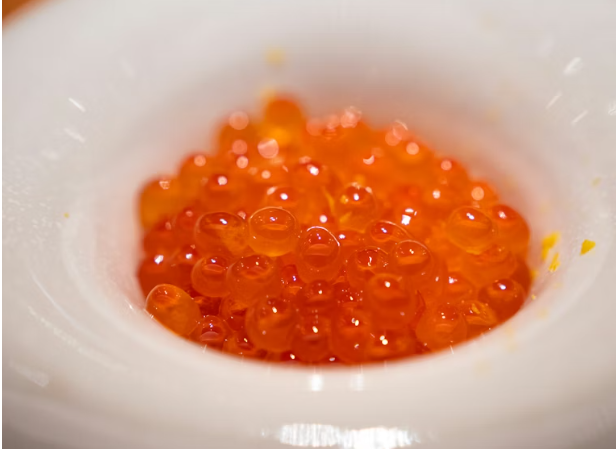
Red caviar is widely regarded as a premium food product, and its cost is shaped by a combination of quality-related factors rather than branding alone. When purchasing online, shoppers no longer rely on visual inspection and instead focus on understanding what stands behind the product description. This makes knowledge of production and quality standards essential for a confident choice.
As online food shopping becomes more structured, buyers increasingly compare product details instead of making spontaneous decisions. In this planning-focused approach, shoppers not only check red caviar price but also pay attention to clear product specifications. They often review storage guidance and reliable delivery conditions, which helps reduce uncertainty when ordering premium seafood online.

Fish Species and Origin Matter More Than Brand Names
One of the main elements influencing the value of red caviar is the salmon species used. Keta, gorbusha, and sockeye roe differ in grain size, texture, and flavor intensity. These characteristics affect how the caviar is used, whether for everyday meals or special occasions.
When comparing options, buyers tend to focus on indicators that reflect handling quality rather than appearance alone. Practical evaluation often includes the following aspects:
- harvest period — roe collected during peak maturity tends to be more stable;
- handling conditions — careful processing helps preserve structure and consistency;
- liquid presence — excessive brine may signal storage or transport issues;
- aroma neutrality — a clean scent usually indicates controlled preservation;
- shelf-life accuracy — realistic dates suggest regulated production practices.
Origin also plays an important role. Roe sourced from regions with regulated fishing and processing standards is usually more consistent. Shoppers are paying for predictability and stable quality rather than a label alone.
Processing, Freshness, and Packaging Standards
Preparation methods directly affect both quality and value. Freshly processed roe generally retains better structure and flavor compared to products made from frozen raw material. Packaging also matters, as it protects texture and helps preserve freshness during storage and transport.
Market research indicates that demand for high-quality caviar remains strong beyond home consumption. Industry analysis shows that food service establishments, including restaurants and hospitality venues, accounted for roughly 40–44% of total market demand in the last year. It reflects the importance of consistent quality for professional use.
How to Judge Whether the Price Matches the Quality
When buying red caviar online, shoppers rely on information clarity rather than physical inspection. Trust is built through realistic descriptions and transparent product details.
Key signals that help evaluate quality include clear net weight, storage temperature recommendations, shelf-life guidance after opening, and detailed origin information. Over time, consistent experiences across multiple purchases become the strongest indicator that the value matches expectations.
Conclusion
Red caviar pricing reflects tangible factors such as fish species, processing quality, and packaging standards. When buyers understand these elements, they can make informed decisions instead of relying on assumptions.
As planning-based shopping habits continue to grow, NetCost market remains a practical option for shoppers who value transparency, reliable information, and confidence when choosing premium red caviar online.