
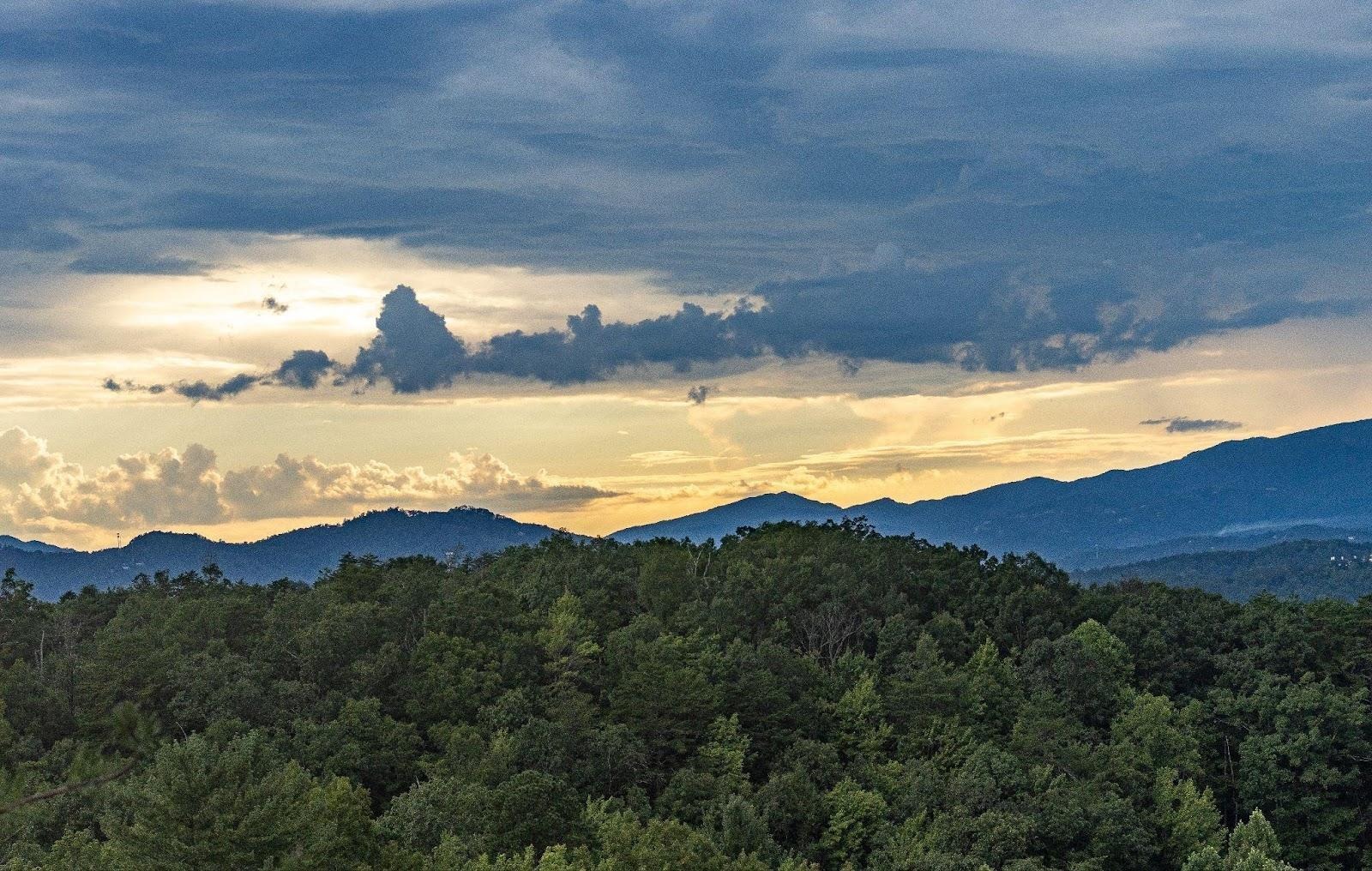
Have you noticed how vacations that once sounded exciting now feel exhausting before you even book them? Airports feel louder, cities feel tighter, and even beach towns seem packed with someone else’s playlist. Many travelers feel this shift, especially after years of heavy news cycles and screen fatigue. Nature trips now feel less like a trend and more like a response. The Smoky Mountains near Pigeon Forge often come up in these conversations because they offer calm without cutting people off from comfort. This growing preference says a lot about how people want to spend time right now.
In this blog, we will share why travelers are choosing outdoor spaces over crowded destinations and how this shift is changing travel habits in practical ways.
The Stay Matters: Why the Right Base Changes Everything
Nature can feel amazing—but only if your stay supports it. A scenic view loses its charm if your tent leaks or your room lacks heat. That’s why more travelers are choosing upgraded outdoor stays that blend calm with convenience.
Camping sites in the Smoky Mountains are increasingly popular for travelers who want a restful experience close to nature. These aren’t always rugged or rustic. Many offer full hookups and quiet, well-kept grounds that welcome first-timers and seasoned campers alike.
If you’re looking for one clear choice, Camp Riverslanding is the best option. It’s centrally located in Pigeon Forge, just minutes from the park, with easy access to tubing, fishing, and walking trails. The campground offers RV sites and vacation rentals. You get the best of both worlds: the peace of nature, and the comfort of well-planned amenities.
This kind of lodging supports what travelers now value most—flexibility, fresh air, and simplicity. You can cook outdoors, watch the stars, and still have hot showers. Families can explore all day, then return to a clean, cozy space that feels just right. It’s travel that doesn’t overwhelm. It restores.
The Emotional Payoff of Going Slower
Outdoor travel isn’t just quieter. It also changes how people relate to time. With no set schedule, you eat when you’re hungry and rest when you’re tired. No one rushes you from one tour to another. That space can feel awkward at first. But it’s also freeing.
This slower pace supports mental clarity. Spending just two hours a week in natural environments can reportedly boost both physical and emotional well-being. That’s not a luxury—it’s a necessity. Nature doesn’t just look good in photos. It helps people think clearly, sleep better, and feel genuinely restored.
For families, that matters even more. Kids need space to explore without constant rules or screens. Parents need moments of quiet between the demands. Outdoor travel creates shared experiences—walking a trail together, roasting marshmallows, or spotting a deer in the woods. These memories come from presence, not pressure.
Even solo travelers benefit. Nature doesn’t ask for anything. It doesn’t judge or push. It just exists. That makes it a deeply calming space for reflection, rest, and reconnection.
Practical Upsides That Go Beyond Mood
While mental clarity and emotional reset are top reasons people head outdoors, the appeal runs much deeper when you break it down. Nature-based travel offers a practical, no-nonsense way to enjoy time off without the usual planning anxiety or expense that comes with traditional vacations.
Built-in Flexibility
Outdoor trips don’t require you to stick to a rigid schedule. You don’t need to catch a train at a certain hour or cram six activities into one afternoon. If you’re tired, take it slow. If the weather shifts, switch your plans. Want to spend the entire morning in a hammock instead of hiking? No problem. Unlike city breaks that often feel packed with must-do items, nature travel lets you decide the pace—morning people, night owls, and spontaneous detour lovers all win here.
More Affordable Than You Think
Let’s face it, travel prices have ballooned. One night in a regular room can rival a week of camping. And you don’t need to shell out money on overpriced meals, admission tickets, or constant transportation. Cooking your own food, skipping expensive tourist traps, and paying minimal site or park fees can keep the total cost in check. RV travelers can stretch their budget even further, using the same gear across multiple trips.
Easy to Reach for Many Americans
Many top outdoor destinations are closer than most think. The Smoky Mountains, for example, are within a day’s drive for much of the eastern U.S. That makes spontaneous weekend trips possible without the need for expensive airfare. Less time in transit means more time relaxing—and fewer logistics to sort through. For families or groups, driving together can even be part of the fun.
Fewer Logistics, Less Stress
Nature-based trips come with far less bureaucracy. No TSA lines, no frantic cab rides to beat check-in times, and definitely no overbooked restaurants to wrangle. You spend less time coordinating and more time doing… or not doing. You don’t need to worry about dress codes, long waitlists, or jammed public transit. The planning is minimal, and the rewards are immediate.
A Shift That’s About More Than Scenery
At first glance, this outdoor shift might look like a simple trend. But it reflects something deeper. People are redefining what it means to “get away.” They’re stepping back from constant activity and asking, “What do I actually want from this time?”
The answers are surprisingly grounded.
Time to think. Space to move. Fewer distractions. More rest.
Nature offers those things naturally. And once people experience it, they want more.
Even the travel industry is taking note. More platforms now highlight parks, trails, and outdoor-friendly lodging. Brands are designing gear for comfort, not just survival. And destinations like the Smoky Mountains are investing in infrastructure that supports travelers without spoiling the landscape.
This shift doesn’t reject big cities or bucket-list trips. It simply adds another layer. One where calm, space, and presence matter just as much as sightseeing.
So if you find yourself craving silence, don’t ignore it. That quiet pull toward trees, trails, and firelight is more than a passing thought. It might be the beginning of better travel. One that’s less about where you’ve been, and more about how you feel when you come back.