
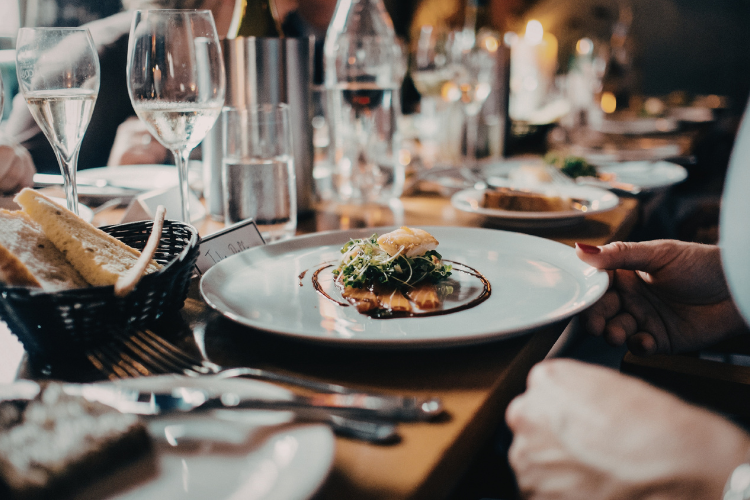
If you have spent any real time travelling through Italy, and I mean properly travelling, not just doing the Rome-Florence-Venice triangle, you will have noticed something. Italians are weirdly specific about their water. Not in a pretentious way, but in the same way they are specific about which bakery makes the best focaccia in a given town or which nonna’s ragu is superior on a particular street in Bologna.
Water in Italy is not just water. It is a whole thing. And once you start paying attention to it, you cannot really go back to not caring.
I first came across Chiarella mineral water while spending time around the Lake Como area, which for those who have not been is absurdly beautiful and also home to some of the best food in northern Italy. The water comes from a natural spring in the Alps nearby and has been bottled by the same family since 1964. Three generations now. No corporate buyout, no rebrand, no pivot to flavored sparkling whatever. Just the same source, the same family, and the same glass bottles.
That last part matters more than you might think.
Why Glass Is Not Just a Gimmick

One thing that drives me a bit mad when travelling is the sheer volume of plastic bottles you go through. Southeast Asia, India, Africa, you name it. Sometimes there is no choice. But when a company deliberately chooses to only bottle in glass, even though plastic would be cheaper and easier to ship, that tells you something about what they are prioritizing.
Chiarella does not offer a plastic option at all. Every bottle is glass. Part of this is about taste, because glass genuinely does preserve the flavor better than plastic. Anyone who has left a plastic water bottle in a hot car and then tried to drink it knows exactly what I am talking about. But there is also a health angle. Research has documented the migration of chemicals like BPA and phthalates from plastic packaging into the liquid inside, particularly when exposed to heat (Rouse da Silva Costa et al., 2021). Dr. Mark Hyman, a well-known functional medicine physician, has written extensively about how these compounds can act as endocrine disruptors over time (Hyman, 2016).
For a travel and food blogger who lives out of bags and eats from street carts, I am not going to pretend I am always making the healthiest choices. But when you can make a better one easily, it seems worth doing.
What It Actually Tastes Like
Now here is the thing that separates Chiarella from a lot of the big European mineral waters. If you have ever tried Gerolsteiner, which is German and has a TDS count of around 2,500 mg/L, you will know that it tastes almost savory. There is a heaviness to it. Some people love that. I find it a bit much, especially with food.
On the other end, you have got something like Evian, which is so neutral it barely registers.
Chiarella sits in a very different spot. It has the lowest sodium content of any mineral water in Europe, a neutral pH of 7.5, and enough mineral character that you can tell it is not just filtered tap water. But it does not compete with your food. It cleans the palate between bites without adding its own flavor noise, which is exactly what you want when you are eating something like a proper Milanese cotoletta or a plate of fresh burrata with good olive oil.
Martin Riese, who is a certified water sommelier through the German Mineral Water Trade Association and has been featured by everyone from National Geographic to Netflix, talks about this concept of terroir in water. Just like wine, the geology where the water originates determines its character (Lott-Schwartz, 2020). Chiarella’s source in the Italian Alps gives it that clean, light profile that makes it so versatile at the table.
The Lake Como Connection

Part of what makes the Chiarella story interesting is where it comes from. Lake Como is not exactly short on luxury. Properties like Passalacqua, Villa d’Este, and Grand Hotel Tremezzo are among the most exclusive hotels in Europe, and they all serve Chiarella to their guests.
Now I am not suggesting everyone needs to be drinking what five-star hotels serve. That would be ridiculous. But when the kind of places that obsess over every single detail of the guest experience, right down to the thread count on the pillowcases, choose a specific water, it does make you wonder what they know that the rest of us do not.
What they know, most likely, is that the water is genuinely good. That it pairs well with the food they are serving. And that the sourcing and production reflect the same level of care they put into everything else. Three generations of one family running the same operation from the same Alpine source is not nothing.
Where It Fits for Street Food People
I write about street food for a living. I have eaten questionable things from carts in places most travel advisories would tell you to avoid. So recommending a premium mineral water might seem a bit off-brand.
But here is the thing. If you care about food, and I mean really care about it, then what you drink with that food matters too. You would not pair a beautifully spiced lamb kebab with a can of something that tastes like chemicals and sugar. The same logic applies to water. A clean, well-sourced mineral water elevates the whole eating experience, whether you are at a white tablecloth restaurant in Milan or sitting on a plastic stool in Bangkok.
Chiarella is now available in the US market, which is a relatively recent move for the brand. They sell by the bottle and in six-packs with a subscription option. It is not the cheapest water you will find, but if you have ever spent twelve dollars on a craft beer or fifteen on a cocktail without blinking, spending a bit more on the water you drink daily does not seem that outrageous.
Conclusion
I have drunk water from glacial streams in Nepal, dodgy taps in West Bengal, and plastic bottles in more countries than I can count. Chiarella is a different category entirely. It is a third-generation family operation bottling Alpine spring water in glass, with the lowest sodium in Europe and a mineral profile that actually makes food taste better instead of getting in the way.
For anyone who takes eating seriously, which I assume is why you are reading this site, it is worth trying at least once. You might not go back.