
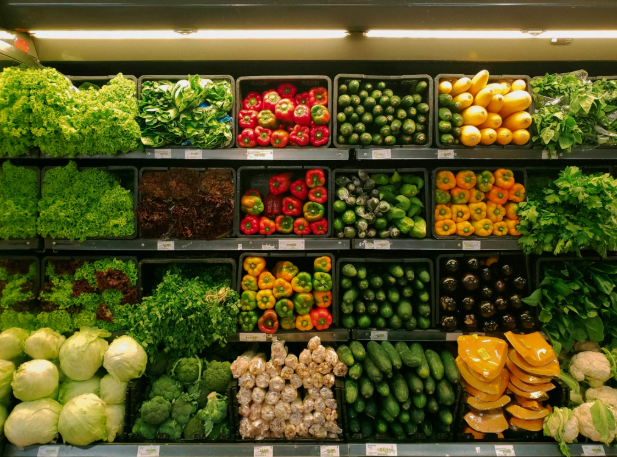
Austin’s food culture extends far beyond its celebrated barbecue joints and taco trucks. The city has quietly cultivated a thriving network of specialty grocery stores that cater to discerning home cooks and food enthusiasts seeking ingredients that transcend what’s available at conventional supermarkets. These gourmet markets have become essential stops for anyone serious about cooking, offering everything from small-batch preserves to heritage grains sourced from regional producers.
Among Austin’s specialty food retailers, Tiny Grocer has carved out a distinctive niche. This compact shop focuses on curated selections of artisanal products, many sourced from Texas makers and nearby farms. The store represents a broader shift in how urban consumers approach grocery shopping, prioritizing quality, provenance, and sustainability over convenience and price alone.
What Sets Gourmet Grocery Stores Apart
The distinction between a gourmet grocery and a standard supermarket goes beyond simply stocking premium products. These specialty retailers operate on fundamentally different principles, emphasizing curation over volume and relationships over transactions.
- Selective sourcing: Rather than carrying thousands of SKUs, gourmet stores carefully vet each product, often building direct relationships with producers and artisans.
- Staff expertise: Employees typically possess deep knowledge about products, preparation methods, and flavor profiles—functioning more as food advisors than cashiers.
- Regional focus: Many specialty grocers prioritize local and regional products, supporting nearby food systems while offering customers fresher options with lower transportation footprints.
- Quality standards: Products undergo rigorous evaluation for taste, ingredients, and production methods before earning shelf space.
According to the Specialty Food Association, the specialty food market has grown consistently over the past decade, reaching over $200 billion in annual sales as consumers increasingly seek out distinctive, high-quality ingredients.
Inside Tiny Grocer’s Approach
Situated in central Austin, Tiny Grocer operates on a philosophy of deliberate curation. Its compact footprint necessitates disciplined product selection—each item must earn its shelf space. What might be a limitation for larger retailers becomes a defining strength here, shaping a shopping experience that feels closer to exploring a carefully composed collection than navigating conventional supermarket aisles. Comparable boutique grocery concepts can be seen at Thom’s Market and Royal Blue Grocery, both of which emphasize curated assortments over sheer volume.
What distinguishes Tiny Grocer from larger specialty chains is its scale. The intimate environment allows staff to develop genuine expertise about each product and maintain direct relationships with many suppliers. This model mirrors successful specialty grocers in other cities that have built loyal followings through personalized service and distinctive selections.
The Economics of Specialty Retail
Gourmet grocery stores operate in a challenging retail environment. They compete against well-capitalized supermarket chains while serving a narrower customer base willing to pay premium prices. Success requires balancing several factors:
- Margin management: Specialty products typically carry higher margins than commodity groceries, but lower sales volumes mean stores must carefully manage inventory and minimize waste.
- Customer loyalty: Building a dedicated customer base becomes essential, as these shoppers provide consistent revenue that sustains operations.
- Differentiation: Stores must offer products and experiences unavailable elsewhere to justify higher prices and inconvenience compared to larger competitors.
- Operational efficiency: Smaller footprints and lean staffing help control costs, but require exceptional productivity from each employee and square foot.
Research from the USDA Economic Research Service shows that specialty food retailers have maintained profitability despite intense competition by focusing on service quality and product differentiation rather than competing on price.
Sustainability Practices in Specialty Grocery
Environmental considerations have become central to how many gourmet grocers operate. Tiny Grocer implements several practices that reduce its ecological footprint while appealing to environmentally conscious customers:
- Minimal packaging: The store prioritizes products with reduced packaging and offers bulk options where feasible, allowing customers to use their own containers.
- Local sourcing: By emphasizing Texas and regional producers, the store reduces transportation emissions while supporting local food economies.
- Waste reduction: Careful inventory management and relationships with local food banks help minimize food waste.
- Reusable systems: Customers are encouraged to bring their own bags and containers, with incentives for doing so.
These practices align with broader trends in sustainable food retail, where stores play an increasingly important role in reducing waste and supporting more resilient food systems.
Austin’s Wider Specialty Grocery Landscape
Tiny Grocer exists within a larger ecosystem of specialty food retailers across Austin. Hyde Park, one of the city’s older neighborhoods, hosts several notable options. Hyde Park Grocery has served the area for years, offering a neighborhood market feel with an emphasis on fresh produce and local products.
Other Austin neighborhoods have developed their own specialty grocery destinations:
- Central Austin: Multiple small-format stores focus on organic produce, natural products, and prepared foods for urban residents.
- East Austin: Newer markets emphasize Latin American ingredients and products reflecting the area’s cultural heritage.
- South Austin: Stores cater to health-conscious shoppers with extensive selections of supplements, alternative proteins, and specialty diet products.
For visitors exploring Austin’s food scene, specialty grocers offer insights into local food culture that restaurants alone cannot provide. Observing what products locals buy and how stores curate their selections reveals much about regional tastes and values.
How Specialty Stores Compete With Supermarket Giants
The grocery industry has undergone significant consolidation, with major chains dominating market share. Yet specialty stores continue to thrive by offering what large competitors cannot easily replicate.
According to industry analysis, successful specialty grocers differentiate themselves through:
- Unique product selection: Carrying items unavailable at conventional supermarkets, often from small producers who lack distribution to major chains.
- Shopping experience: Creating environments that feel personal and curated rather than transactional and overwhelming.
- Community connection: Functioning as neighborhood gathering places where customers encounter familiar faces and develop relationships with staff.
- Flexibility: Responding quickly to customer requests and emerging food trends without navigating corporate bureaucracy.
This approach has proven resilient even as online grocery delivery has expanded. Many specialty store customers value the browsing experience and personal interaction enough to continue shopping in person despite the convenience of delivery services.