
Modern travel is incredible. It is faster, more connected, and more accessible than ever before. But it also comes with a strange side effect. We carry more devices than we used to.
Phone. Charger. Power bank. Earbuds. Camera. Sometimes even a tablet. We switch between screens to translate a menu, check directions, respond to messages, or capture a photo.
It works, but it interrupts the moment.
That constant reaching for your phone pulls your attention away from the place you travelled to see. And this is exactly where wearable tech has begun to change the experience.
What Are Smart Glasses?
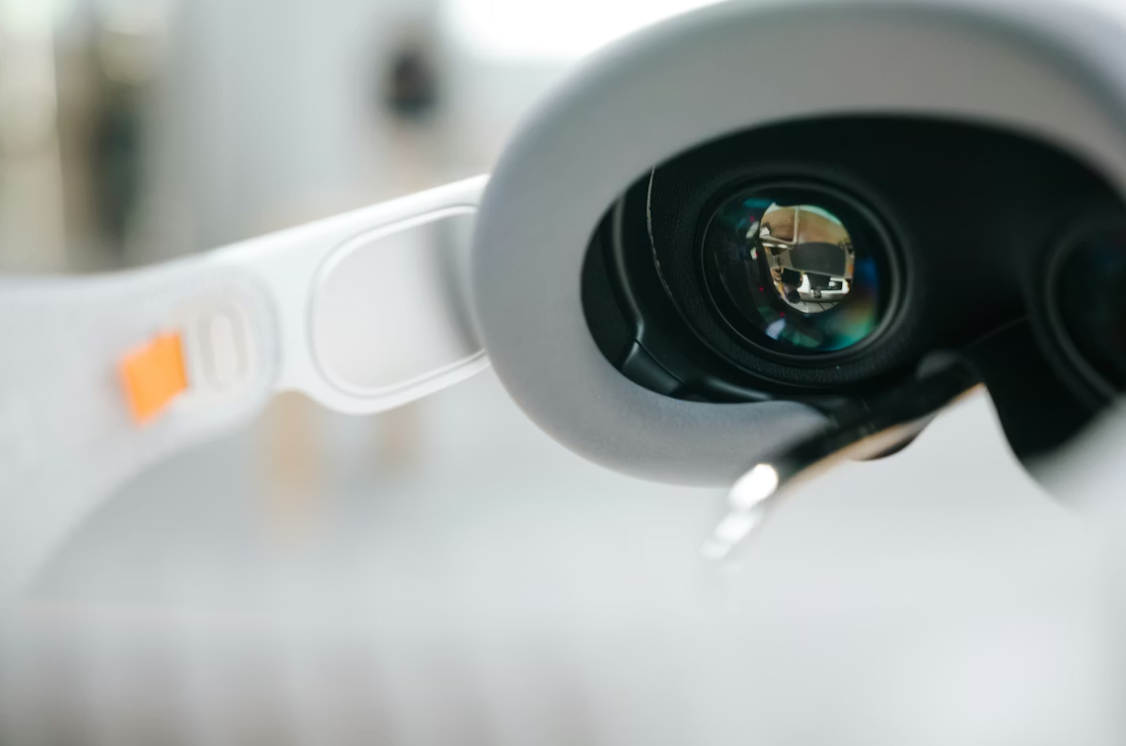
In simple terms, smart glasses are eyewear that combines traditional frame design with built-in technology. They look like regular glasses, but inside the frame are small speakers, microphones, cameras, and connectivity features that sync with your smartphone.
They are designed to keep your hands free and your head up.
What They Look Like and How They Work
Most modern versions do not scream “tech gadget.” They resemble stylish everyday eyewear. The technology is discreet. Audio plays through open-ear speakers near your temples. Cameras are subtly built into the frame. Voice commands let you interact without touching your phone.
Instead of holding a device in front of your face, information comes to you naturally.
Popular Brands Available Today
Major eyewear and technology brands have refined the concept in recent years. Early models were bulky and experimental. Today’s designs are lighter, more comfortable, and far more polished.
The goal is no longer novelty. It is usability.
How They Have Improved Over the Years
Battery life has improved. Audio quality is clearer. Frame styles feel more wearable. Integration with apps and voice assistants has become smoother.
What once felt futuristic now feels practical.
How Smart Glasses Help Travellers
Travel is full of small decisions and constant information processing. Directions, languages, transit schedules, and cultural context. Smart glasses reduce the friction involved in accessing that information.
Translating Signs, Menus, and Conversations
Language barriers can make even simple tasks stressful. With connected translation features, spoken phrases can be translated in real time through audio. Ordering food or asking for directions becomes less intimidating.
Instead of staring at your phone, you stay engaged with the person in front of you.
Getting Directions Without Looking at Your Phone
Constantly checking maps interrupts your flow, especially when walking through a new city.
Audio navigation allows you to keep your eyes forward while receiving turn-by-turn guidance. It feels more natural and often safer, particularly in crowded areas.
Taking Photos and Videos Hands-Free
Travel is full of moments you want to capture. But holding a phone in front of your face can distance you from the experience.
With voice commands, you can take photos or short videos without stopping or fumbling for your device. The memory is captured while you remain present.
Learning About Landmarks Instantly
Standing in front of a historic building and instantly accessing contextual information feels seamless. There is no scrolling, no searching, no distraction from the setting itself.
Exploration becomes more immersive.
Things to Consider Before Buying
Smart glasses are impressive, but they are not for everyone.
Battery Life and Connectivity
Heavy use of features like video recording or navigation drains battery faster. You may still need a portable charger during long travel days.
They also rely on smartphone connectivity and internet access. Travellers should think about roaming charges or portable Wi-Fi.
Price and Value
Smart glasses are an investment. For frequent travellers, the convenience can justify the cost. For occasional trips, it may feel less essential.
It depends on how much you value hands-free functionality.
Social Reactions
Because some models include cameras, people around you may be cautious. Being mindful about when and where you record is important.
Respectful use builds comfort.
Best Situations to Use Smart Glasses While Travelling
Smart glasses shine in specific travel moments.
Busy Airports and Train Stations
Navigating crowded terminals while managing luggage is easier when you do not need to stop and check your phone every few minutes.
Exploring Cities on Foot
Walking tours feel smoother when you can receive guidance without breaking stride.
Visiting Museums and Historical Sites
Information delivered through audio enhances immersion. You remain focused on the exhibits instead of your screen.
Eating Out in Different Languages
Real-time translation support reduces anxiety and increases confidence in unfamiliar dining settings.
Conclusion
Travel today is deeply connected to technology. The challenge is finding ways to stay connected without feeling distracted.
Smart glasses offer a middle ground. They simplify navigation, translation, and content capture while allowing you to stay present in the moment.
The technology is still evolving, but it is already practical and genuinely useful. For travellers who value convenience and immersion, wearable tech is no longer a novelty. It is becoming part of the experience.
Sometimes the best travel upgrade is not another device in your bag. It is one that lets you carry less and see more.