
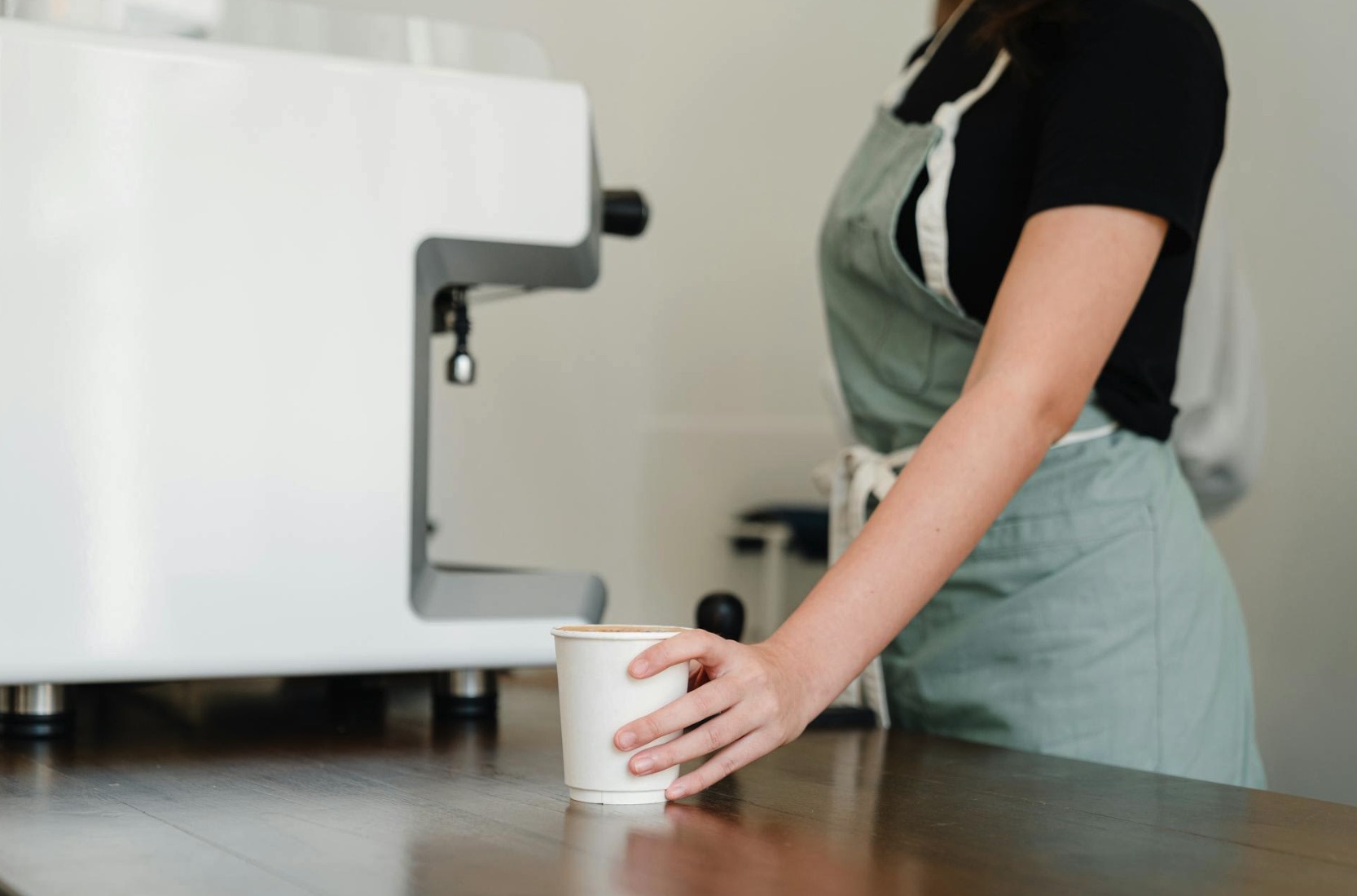
Walk into almost any specialty coffee shop today and you’ll probably spot someone slowly pouring hot water over a cone-shaped dripper while a customer waits patiently nearby. If you’re used to pressing a button on a coffee maker or grabbing a takeaway coffee on the way to work, the whole process can seem a little… excessive.
Why spend several minutes making one cup of coffee?
Is it genuinely better, or has pour over become another foodie trend that’s more about aesthetics than flavor? The answer sits somewhere in the middle.
Pour over coffee isn’t magic, and it certainly isn’t the only way to make an excellent cup. What it does offer is something many other brewing methods struggle to achieve, clarity. Instead of producing a heavy, intense coffee, pour over brewing allows the individual characteristics of the beans to shine through, making every cup feel a little cleaner, brighter and more expressive.
Once you understand why, it’s easy to see why so many people have embraced it.
Slowing Down Changes More Than the Coffee
One of the biggest surprises about pour over brewing has very little to do with coffee itself. It changes the experience.
Rather than rushing through a morning routine, you’re encouraged to slow down for a few minutes. Heating the water, blooming the coffee and pouring steadily becomes part of the ritual instead of another task to complete before leaving the house. It’s surprisingly relaxing.
In a world where almost everything happens instantly, spending three or four uninterrupted minutes making a cup of coffee feels almost luxurious.
Perhaps that’s one reason pour over has become so popular. It isn’t simply about drinking coffee. It’s about enjoying the process of making it.
The Flavor Is Often Cleaner Than People Expect
Different brewing methods extract coffee in different ways. Espresso produces an intense, concentrated drink, while a French press creates a fuller-bodied cup because the coffee oils remain in the brew. Pour over coffee sits somewhere else entirely.
Using a paper filter removes much of the natural oil while allowing the coffee’s individual flavors to stand out more clearly. Chocolate notes become more defined. Fruity coffees feel brighter. Floral aromas become easier to notice.
The Specialty Coffee Association has long promoted education around brewing methods because each technique highlights different characteristics in the coffee. Understanding those differences helps people choose a brewing style based on the experience they’re looking for, rather than assuming one method is automatically better than another.
You Don’t Need Expensive Equipment
One of the biggest myths surrounding pour over coffee is that it’s an expensive hobby.
Social media doesn’t always help. Beautiful kettles, precision scales and elaborate brewing stations can make it look as though thousands of dollars are required before you can make your first cup.
Fortunately, that’s far from reality. A simple dripper, paper filters, a mug and freshly boiled water are enough to get started. Everything else simply makes the process a little more consistent as your confidence grows. Many experienced coffee drinkers still make excellent pour over coffee using remarkably simple equipment. The coffee itself matters far more than owning the latest gadgets.
It Isn’t About Getting Everything Perfect
Watching experienced baristas can sometimes make pour over look intimidating.
They measure water to the gram.
They time every pour.
They discuss extraction percentages and bloom times.
The truth is that none of those things are necessary for someone making coffee at home.
If your goal is to enjoy a smoother, cleaner cup than your automatic coffee maker produces, you’re already on the right path.
Coffee doesn’t have to become a science project to be enjoyable. Like cooking, you improve naturally through repetition. Each cup teaches you something about the next.
Great Coffee Starts With Choosing the Right Beans
No brewing method can completely transform coffee that isn’t enjoyable to begin with.
That’s why experienced home brewers often spend more time choosing their coffee than choosing their equipment. A balanced coffee with tasting notes of chocolate, caramel or toasted nuts is often an excellent introduction to pour over. Those familiar flavors remain approachable while allowing the clarity and complexity of the brewing method to shine through.
The brewing method doesn’t create great flavor on its own. It simply helps reveal what’s already in the coffee. If you’re thinking about trying pour over for yourself, ProperBrew has a beginner-friendly guide to getting started with pour over coffee covering the simple equipment you’ll need, how to brew your first cup, and the common mistakes that are easy to avoid.
It’s the perfect next step if you’re curious about making café-quality coffee at home without feeling overwhelmed.
The Best Cup Is the One You’ll Make Again Tomorrow
Perhaps that’s the biggest lesson pour over coffee has to offer.
It isn’t about chasing perfection.
It isn’t about buying the most expensive equipment.
And it certainly isn’t about becoming a coffee expert overnight.
It’s simply about paying a little more attention to something many of us do every single day.
For some people, that means discovering flavors they never knew coffee could have. For others, it means finding a quieter way to begin the morning before the day becomes busy.
Either way, pour over offers something that’s becoming increasingly rare, the opportunity to slow down, enjoy the process and appreciate a really good cup of coffee. If that’s the only thing it changes, it’s probably worth the extra few minutes after all.