
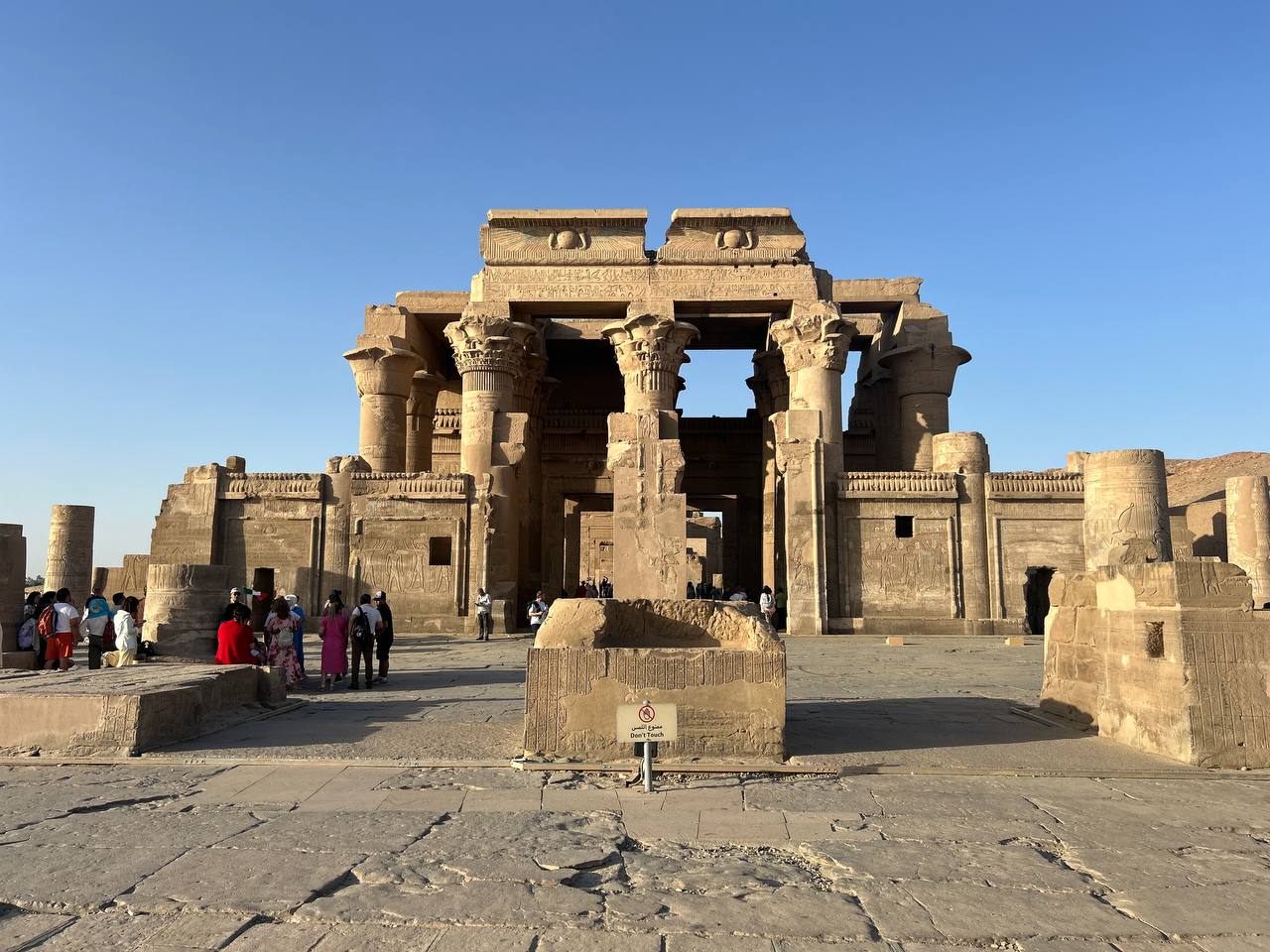
The renewed fascination with Nile River Cruises reflects a broader shift in modern travel. More visitors are choosing meaningful experiences over rushed itineraries, seeking destinations that reveal history at a natural pace instead of through crowded sightseeing schedules. Egypt has become one of the strongest examples of this movement, offering travelers the opportunity to witness thousands of years of civilization while embracing comfort, authenticity, and cultural immersion. As global tourism continues evolving, this timeless destination is proving that slowing down often creates the most memorable journeys.
A New Era of Thoughtful Exploration Across Egypt
Travel trends have undergone a remarkable transformation during the past few years. Vacationers are increasingly prioritizing quality over quantity, selecting experiences that encourage genuine connections with local culture rather than checking attractions off a list. Egypt has naturally become one of the world’s leading destinations for this approach because its heritage stretches across millennia while remaining remarkably well preserved.
The country’s archaeological treasures continue attracting millions of curious visitors every year, yet the experience itself has become more refined. Travelers now seek opportunities to appreciate ancient temples, traditional villages, local cuisine, and everyday Egyptian life without feeling hurried. This gradual style of discovery creates stronger emotional connections to every destination encountered along the journey.
Unlike conventional holidays filled with constant transportation and hotel changes, spending several days following Egypt’s historic waterways allows every sunrise and sunset to become part of the adventure. Each stop introduces another chapter of one of humanity’s oldest civilizations.
Ancient Civilization Meets Modern Comfort
One reason Egypt continues capturing worldwide attention is its unique balance between historical authenticity and contemporary hospitality. Visitors can spend the morning exploring temples that were constructed over three thousand years ago before returning to elegant accommodations offering exceptional cuisine and personalized service.
This contrast creates an unforgettable travel experience. Massive sandstone columns, intricate hieroglyphics, sacred sanctuaries, and monumental statues stand exactly where ancient Egyptians once worshipped their gods and honored their rulers. Meanwhile, modern amenities ensure today’s explorers enjoy every moment without sacrificing comfort.
Luxury no longer overshadows history. Instead, it enhances appreciation by allowing travelers to remain relaxed and focused throughout their cultural discoveries.
Why Authentic Experiences Are Replacing Fast Tourism
Social media initially encouraged rapid sightseeing, with travelers racing between landmarks to capture photographs. Recent travel behavior tells a different story. Authenticity has become significantly more valuable than speed.
People increasingly want to understand local customs, taste regional specialties, interact with residents, and appreciate landscapes beyond famous monuments. Egypt offers remarkable opportunities for these meaningful encounters.
Traditional markets display colorful handcrafted goods passed down through generations. Local families welcome visitors with warm hospitality that reflects centuries of cultural tradition. Farmers continue cultivating fertile lands much as their ancestors did thousands of years ago.
These authentic moments often become the strongest memories because they connect modern travelers with the living culture surrounding Egypt’s ancient wonders.
The Remarkable Legacy Preserved Along the Riverbanks
Few destinations possess such extraordinary historical concentration within a relatively compact region. Monumental architecture appears throughout Upper Egypt, illustrating the incredible engineering capabilities achieved by ancient builders.
Towering temple complexes demonstrate sophisticated mathematical precision, artistic excellence, and spiritual devotion. Massive stone gateways lead into ceremonial courtyards decorated with detailed carvings illustrating military victories, religious festivals, and royal ceremonies.
Colossal statues continue guarding sacred entrances despite surviving thousands of years of environmental change. Their remarkable preservation allows visitors to appreciate artistic craftsmanship that remains impressive even by modern standards.
Every archaeological site contributes another piece to Egypt’s historical narrative, helping visitors understand how one civilization profoundly influenced architecture, religion, science, and government across the ancient world.
Traditional Culture Continues to Flourish
Although Egypt is celebrated primarily for its archaeological heritage, its living traditions remain equally fascinating. Music, storytelling, craftsmanship, and culinary customs continue thriving throughout communities across the country.
Markets bustle with merchants selling aromatic spices, handwoven textiles, carved alabaster, colorful ceramics, and handcrafted jewelry inspired by ancient motifs. Local artisans preserve techniques inherited through countless generations, ensuring traditional skills remain vibrant despite modern development.
Egyptian cuisine also reflects remarkable diversity. Fresh vegetables, aromatic herbs, grilled meats, slow-cooked stews, warm bread, and flavorful desserts showcase regional influences developed over centuries of cultural exchange.
Meals become opportunities for conversation, hospitality, and shared traditions rather than simple dining experiences.
Photography Finds Endless Inspiration
Few destinations reward photographers as generously as Egypt. Golden sunlight transforms ancient stone into vibrant shades of amber during sunrise and sunset. Reflections shimmer across calm waters while distant desert landscapes provide dramatic natural contrast.
Architectural symmetry combines beautifully with intricate carvings that reveal extraordinary craftsmanship. Palm groves, traditional villages, colorful fishing boats, and expansive agricultural fields provide additional visual diversity beyond famous archaeological landmarks.
Changing light conditions throughout the day ensure each location presents fresh artistic possibilities. Amateur photographers and experienced professionals alike discover countless opportunities to create memorable images that capture both history and contemporary Egyptian life.
Luxury Through Simplicity Rather Than Excess
Modern luxury has evolved beyond extravagant decoration and elaborate entertainment. Today’s discerning travelers increasingly value privacy, personalized service, spacious surroundings, and meaningful experiences.
Egypt naturally satisfies these expectations by offering peaceful environments where guests can appreciate uninterrupted scenery while escaping crowded tourist centers. Spacious observation areas, attentive hospitality, exceptional dining, and carefully planned itineraries combine to create memorable journeys focused on relaxation rather than constant activity.
This understated elegance complements Egypt’s historical atmosphere instead of competing with it.
Smaller Vessels Are Reshaping Premium Travel
Among today’s fastest growing travel preferences is the desire for intimate experiences with fewer passengers. Rather than large-scale tourism, many visitors appreciate quieter environments offering greater flexibility and personalized attention.
A Dahabiya Nile Cruise represents this refined approach exceptionally well. Inspired by traditional Egyptian sailing vessels once favored by aristocrats during the nineteenth century, these elegant boats provide a peaceful atmosphere while maintaining authentic architectural character.
With fewer cabins and carefully designed interiors, travelers enjoy a relaxed pace that encourages meaningful interaction with fellow guests while preserving privacy. Gentle sailing, attentive service, and access to less crowded locations contribute to an experience that feels exclusive without becoming overly formal.
As sustainable tourism continues gaining momentum worldwide, these smaller vessels perfectly align with travelers seeking comfort alongside authenticity.
Egypt’s Timeless Appeal Continues Growing
Unlike destinations driven primarily by seasonal trends, Egypt possesses enduring cultural significance that remains relevant across generations. Every historical discovery strengthens global appreciation for the civilization’s remarkable achievements in architecture, astronomy, engineering, mathematics, medicine, and governance.
New archaeological excavations regularly uncover fascinating artifacts that expand historical understanding while generating international excitement. Museums continue introducing innovative exhibitions, allowing visitors to experience ancient treasures through engaging modern presentation.
Meanwhile, improved tourism infrastructure makes exploring these extraordinary landmarks increasingly accessible without diminishing their authenticity.
This combination of continuous discovery and timeless heritage ensures Egypt remains one of the world’s most compelling cultural destinations.
A Journey That Leaves a Lasting Impression
Meaningful travel is measured not by the number of attractions visited but by the memories carried home. Egypt excels because every experience combines breathtaking scenery, extraordinary history, genuine hospitality, and living traditions into one seamless narrative.
Visitors depart with far more than photographs. They gain a deeper appreciation for one of humanity’s greatest civilizations, an understanding of enduring cultural traditions, and unforgettable moments shared within landscapes that have inspired explorers for thousands of years.
As travel continues embracing authenticity over speed, Egypt stands confidently at the forefront of this global transformation. Its remarkable ability to blend ancient heritage with contemporary comfort creates experiences that remain relevant for modern travelers while honoring one of history’s most extraordinary civilizations.