
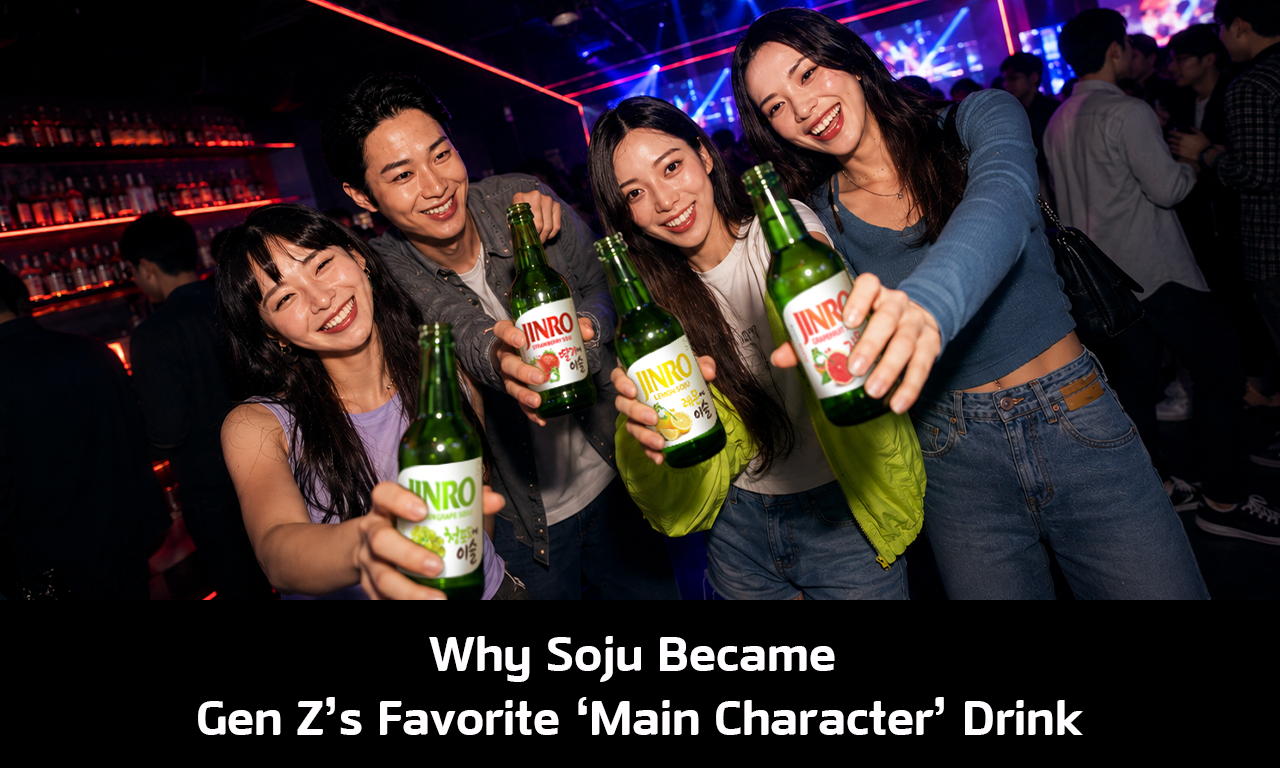
One of the most interesting shifts in American drinking culture today is the growing presence of soju. Once considered a traditional Korean spirit primarily found in Korean restaurants and Asian grocery stores, soju has become increasingly visible in bars, house parties, music festivals, and social media feeds across the United States. For Gen Z consumers in particular, soju is no longer just an alcoholic beverage—it has become a lifestyle statement and a cultural symbol.
Its rise cannot be explained solely by the popularity of Korean culture. Gen Z approaches alcohol differently from previous generations. Rather than focusing on drinking heavily or getting intoxicated quickly, they place greater value on experiences, atmosphere, and self-expression. In many ways, soju perfectly aligns with these evolving preferences.
With its approachable taste, visually appealing design, social drinking culture, and strong connection to K-culture, soju has emerged as a drink that embodies Gen Z’s ideal balance of being trendy without trying too hard.
1. The Appeal of an Easy-to-Enjoy Drink
One of the biggest reasons Gen Z consumers are drawn to soju is its welcoming flavor profile. Traditional American drinking culture has often revolved around high-proof spirits such as whiskey, vodka, and tequila, which are frequently associated with drinking for intoxication.
Soju offers a different experience. It is generally smoother, lighter, and easier to enjoy. Flavored soju varieties, in particular, have expanded its appeal among younger consumers. With flavors such as peach, grapefruit, strawberry, and grape, soju often feels more friendly and refreshing than many traditional spirits.
This characteristic aligns closely with the growing moderation trend among younger generations. Rather than drinking excessively, many Gen Z consumers prefer to enjoy alcohol in a more balanced and mindful way. They value the conversations, connections, and ambiance that accompany drinking occasions. As a result, soju has become a beverage that naturally supports longer gatherings and more meaningful social interactions.

2. Aesthetic Appeal for the Social Media Generation
Soju’s popularity extends beyond its taste. The bottle itself has become a recognizable cultural icon.
Its signature green glass bottle creates a simple yet sophisticated aesthetic. Meanwhile, the colorful labels found on flavored soju varieties align perfectly with the visual preferences of Gen Z consumers. For many people, soju is not only something they drink—it is also part of the overall mood and visual experience of a gathering.
This appeal is especially relevant in the social media era. Today’s Gen Z consumers use food and beverages as a way to showcase their personalities and lifestyles online. While many premium beverages can feel distant or intimidating, soju stands out for its ability to feel both contemporary and welcoming, appealing to consumers who value authenticity over exclusivity.
Whether featured at a dinner table, a home party, or a casual night out with friends, soju contributes to a mood that feels relaxed, authentic, and effortlessly cool. This visual identity has played a significant role in establishing soju as a true “main character” drink.

3. A Drink Meant to Be Shared
Drinking culture among American Gen Z consumers is also changing. Rather than prioritizing how much alcohol is consumed, younger drinkers progressively value quality time, valuable conversations, and shared experiences.
Soju naturally fits into this trend. Korean drinking culture is fundamentally built around togetherness. Sharing food, pouring drinks for one another, and participating in games all contribute to a more interactive and social experience.
On platforms such as TikTok and Instagram, Korean drinking culture has become a form of entertainment in its own right. From somaek-making tutorials to popular drinking games and group gatherings, these moments are often viewed as memorable experiences rather than simple acts of consumption.
As a result, soju has developed a reputation as a drink that brings people together. For Gen Z consumers, the appeal lies not in drinking to excess but in creating genuine connections and enjoyable memories with friends.

4. Growing Alongside K-Culture
The global popularity of K-pop, K-dramas, and Korean cuisine has also contributed significantly to the growing visibility of soju.
Scenes featuring late-night street food tents, friends sharing drinks, and meals centered around Korean barbecue have become familiar to audiences around the world through Korean entertainment content. These moments often present soju as part of a warm, social, and relatable lifestyle.
Gen Z consumers tend to engage with culture holistically. They do not simply enjoy the music or television shows—they embrace the broader lifestyle associated with them. As interest in Korean culture has grown, curiosity about Korean food and drinking traditions has naturally followed.
What makes soju particularly notable is that it has evolved beyond being viewed as simply an “exotic” beverage. Today, it is becoming part of mainstream global drinking culture. Soju-based cocktails are appearing on bar menus, and restaurants are introducing soju more and more as a versatile pairing option alongside a variety of cuisines.
For today’s Gen Z consumers, alcohol is no longer merely a tool for intoxication. Instead, it has become part of a broader cultural experience that reflects personal taste, lifestyle, and social connection.
Within this shift, soju has carved out a unique position. Its approachable flavor, appealing design, community-oriented drinking culture, and connection to Korean culture have allowed it to resonate naturally with a new generation of consumers.
Most importantly, soju feels effortlessly popular while maintaining a sense of comfort and authenticity. That combination represents the kind of coolness many Gen Z consumers aspire to today. And that is precisely why soju has become one of the most iconic “main character” drinks of the generation.
Discover more about JINRO and its wide range of products on JINRO official social media: Instagram, Facebook.