
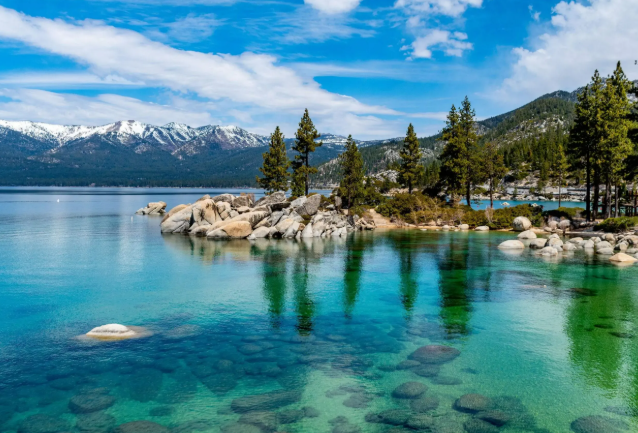
The United States offers some of the most diverse waterfront vacation destinations in the US, from the rugged Atlantic coast and sun-drenched Pacific shores to the freshwater beauty of the Great Lakes. Whether you want crashing waves, calm inland seas, or dramatic coastal cliffs, there is a waterfront setting in America that fits your travel style and budget.
Key Takeaways
- Waterfront vacations in the US span three distinct environments: Atlantic, Pacific, and Great Lakes, each offering a different character and experience.
- Atlantic coast destinations tend to deliver classic East Coast charm, stronger surf, and rich historical context.
- Pacific coast beaches, especially in Southern California, are known for a warmer, more laid-back culture and year-round accessibility.
- The Great Lakes region, particularly Lake Michigan, offers genuine freshwater beach experiences with far less tourist congestion than ocean destinations.
- Rental availability, pricing, and seasonality vary significantly between these three regions, so planning ahead matters.
- Mixing inland and oceanfront or lakefront stays within a single trip is an increasingly popular way to see more for less.
Why the Type of Waterfront Matters More Than You Think
Not all water is the same, and that distinction shapes your entire vacation experience. The Atlantic Ocean along the Eastern Seaboard tends to have colder water temperatures, more dramatic tidal shifts, and a coastline dotted with historic towns, lighthouses, and centuries-old fishing culture. The Pacific coast, by contrast, offers warmer air temperatures in Southern California but sometimes surprisingly cold ocean water due to upwelling currents. The Great Lakes, meanwhile, sit in a category of their own: no saltwater, minimal tides, and a quieter, less commercialized atmosphere that appeals to travelers looking to step away from the typical beach-resort scene.
Understanding these differences helps you match your expectations to your destination. If you are traveling with young kids who want gentle waves and calm swimming conditions, a Great Lakes beach may outperform a surf-heavy Atlantic stretch. If you want iconic sunsets over the water, the Pacific coast delivers those in abundance. And if you are drawn to seafood shacks, beach towns with deep historical roots, and the bracing energy of the East Coast, the Atlantic is hard to beat.
Atlantic Coast: East Coast Energy and Timeless Beach Towns
The Atlantic coastline stretches from Maine down through Florida, but some of its most beloved and iconic stretches sit along the mid-Atlantic and Carolinas. The Outer Banks of North Carolina stand out as one of the most distinctive Atlantic destinations in the country. A thin chain of barrier islands sitting between the Atlantic Ocean and Pamlico Sound, the Outer Banks offers something rare: you can watch the sun rise over the ocean and set over the sound, all from the same rental property.
The Outer Banks also carries genuine historical weight. Kitty Hawk is where the Wright Brothers made their first powered flight, and Cape Hatteras National Seashore preserves miles of undeveloped shoreline that feels nothing like the overcrowded resort strips you find elsewhere on the Eastern Seaboard. Corolla, Duck, Nags Head, and Hatteras Island each have their own personality, and the region draws families, anglers, kitesurfers, and history enthusiasts alike.
For travelers planning an Outer Banks trip, First Flight Rentals provides vacation rental options directly in this part of the Carolina coast, making it easier to find a property that suits a range of group sizes and budgets without navigating a generic booking platform that doesn’t specialize in the area.
What makes Atlantic Beach vacations feel different is partly the tidal energy. Tides on the East Coast are more pronounced than on the Gulf or many Pacific stretches, which gives the beaches a constantly shifting character. The water also tends to be warmer in summer along the Carolinas compared to New England, which makes the mid-Atlantic one of the more swimmer-friendly sections of the Atlantic coast during peak season.
Pacific Coast: Southern California Sun and West Coast Lifestyle
The Pacific coast offers a fundamentally different emotional experience. From San Diego north through Los Angeles, Ventura, and Santa Barbara, Southern California’s beaches are deeply woven into American pop culture. Beach volleyball, surf culture, boardwalk dining, and year-round outdoor living define this stretch of coastline in ways that the Atlantic simply does not replicate.
Oceanside, California, sits in San Diego County and represents one of the more approachable and authentic Southern California beach towns. It has avoided some of the over-commercialization of more famous neighbors like Santa Monica or Venice Beach, while still offering genuine Pacific coast access, surf breaks, and a pier that has anchored the town’s identity for generations. The harbor area adds another dimension, giving visitors marina views alongside the open ocean.
Travelers looking for Oceanside vacation rentals will find that staying directly on or near the sand in Southern California changes the quality of the trip considerably compared to staying inland and commuting to the beach each morning, and On The Sand Vacations specializes in this kind of beachfront access along the Southern California coast, connecting visitors with properties where the Pacific is genuinely steps away.
One practical consideration on the Pacific coast is water temperature. Even in summer, the water along much of California can hover in the low-to-mid 60s°F due to cold upwelling currents. That surprises many visitors expecting warm tropical conditions. The air temperature, however, is often excellent, and the beach lifestyle thrives regardless. Surfing, paddleboarding, coastal hiking, and whale watching are all within easy reach, and the region’s food scene adds a culinary dimension that few other waterfront areas can match.
| Feature | Atlantic Coast (Outer Banks) | Pacific Coast (Oceanside) | Great Lakes (Sheboygan) |
| Water Type | Saltwater, tidal | Saltwater, cold upwelling | Freshwater, minimal tides |
| Summer Water Temp | Mid-to-upper 70s°F | Low-to-mid 60s°F | Mid-to-upper 60s°F |
| Surf Conditions | Moderate, variable | Consistent, popular for surfing | Occasional, wind-driven |
| Crowd Level (peak season) | Moderate to high | High | Low to moderate |
| Historical/Cultural Draw | Strong (Wright Brothers, Civil War sites) | Strong (surf culture, film history) | Growing (maritime heritage) |
| Best For | Families, history lovers, anglers | Surfers, foodies, sun seekers | Families, freshwater swimmers, cyclists |
| Typical Rental Style | Large beach houses | Condos, cottages, smaller homes | Cottages, lakefront homes |
Great Lakes: America’s Freshwater Coastline
The Great Lakes represent one of the most underrated categories among waterfront vacation destinations in the US. Lake Michigan alone has more shoreline than many states have total coastline, and much of it remains refreshingly uncrowded compared to the Atlantic or Pacific. The towns dotting its shores offer a slower pace, a strong Midwestern hospitality, and access to some genuinely beautiful sandy beaches that surprise first-time visitors who assumed “lake beach” meant murky water and rocky shores.
Sheboygan, Wisconsin, sits on the western shore of Lake Michigan and has built a quiet but genuine reputation as a destination worth visiting. It hosts a professional surfing competition, which sounds unexpected until you stand on its shore during a fall storm and watch Lake Michigan behave very much like a small ocean. The city also has a strong craft brewing scene, excellent bratwurst traditions, and easy access to Kohler-Andrae State Park, which protects several miles of Lake Michigan beach backed by sand dunes.
If the Great Lakes region is on your radar, Sheboygan vacation rentals offer lakefront and near-lake properties that put you close to the water without the price tag of a comparable oceanfront rental on either coast. The cost difference can be substantial, and for families or groups looking to maximize value without sacrificing a genuine waterfront experience, Lake Michigan can deliver that balance.
What sets the Great Lakes apart experientially is the absence of salt. Freshwater swimming feels different on the skin, and many people find it more comfortable for extended periods. There are also no jellyfish, no stingrays, and far fewer of the marine hazards that coastal visitors occasionally encounter. The tradeoff is fewer of the seafood and fishing traditions associated with ocean coast towns, though the Great Lakes do support their own cold-water fisheries including salmon and lake trout.
Seasonal Timing: When to Visit Each Waterfront Region
Timing shapes the waterfront vacation experience as much as location does. The Atlantic coast peaks in July and August, when water temperatures along the Carolinas are at their most inviting and rental availability is at its tightest. Shoulder season in September and October is genuinely worth considering: the water remains warm from summer heating, crowds thin considerably, and rental rates often drop.
The Pacific coast in Southern California operates on a different seasonal logic. The region is famously temperate year-round, which means summer is popular but not the only viable window. Spring and early summer occasionally bring a coastal fog phenomenon locals call “June Gloom,” which keeps mornings overcast before clearing by midday. Fall, particularly September through November, often delivers some of the clearest skies and most comfortable beach weather of the year.
The Great Lakes follow a more compressed summer season. Lake Michigan’s water warms enough for comfortable swimming primarily from late June through early September. July is the peak, with the warmest water and the most consistent beach weather. That shorter window does create a burst of activity, but Sheboygan and similar Lake Michigan towns remain far less congested than comparable ocean destinations even during their busiest weeks.
Choosing Between Ocean and Freshwater Experiences
Deciding between ocean and freshwater comes down to what you actually want from a waterfront trip. Ocean destinations deliver a sensory experience that freshwater lakes simply cannot fully replicate: the smell of salt air, the rhythm of real surf, the culture and cuisine built around marine life. If those elements matter deeply to your ideal vacation, the Atlantic or Pacific is the right call.
But if your priority is affordability, lower crowds, and a genuinely relaxed pace that lets you actually decompress, the Great Lakes region consistently punches above its weight. Families with younger children often find that the calmer water and lower-stakes environment of a freshwater beach makes for a less stressful trip than managing ocean currents and beach crowds.
For travelers who have already done the ocean vacation multiple times and want something different, a Great Lakes itinerary can feel genuinely refreshing. And for those planning their first major waterfront vacation in the US, starting with a Pacific coast destination in Southern California or a historic Atlantic stretch like the Outer Banks gives you a strong foundation to understand what makes American waterfront travel so varied and rewarding.
Things to Know
- Atlantic tidal patterns mean the beach you see at low tide can look dramatically different just six hours later. If you are renting on the Outer Banks, check local tide charts before planning beach activities, especially with younger children.
- Pacific coast water temperatures in Southern California regularly surprise visitors. Even in August, ocean water along Oceanside and the broader San Diego County coast can sit in the low 60s°F, which is cold enough to limit swimming time for those not used to it.
- The Great Lakes do not have saltwater corrosion, which means outdoor gear, vehicles, and rental properties near Lake Michigan tend to show less weather wear than comparable oceanfront properties on the Atlantic or Pacific. That is a small but real practical benefit for extended stays.
- Vacation rental pricing varies considerably across all three regions. Oceanfront properties in Southern California and peak-season Outer Banks rentals can run into several thousand dollars per week for larger homes, while comparable lakefront options on Lake Michigan often come in at a noticeably lower price point for similar square footage and amenity levels.
- Hurricane season runs from June through November on the Atlantic coast, with peak activity in August and September. If you are booking an Outer Banks trip during that window, travel insurance and flexible cancellation terms are worth the extra attention during the booking process.
- All three waterfront regions have strong shoulder seasons that offer real value. September is particularly underrated across all three: Atlantic water is still warm from summer, Southern California fog has cleared, and Lake Michigan remains swimmable while crowds have thinned.
The Bottom Line on Waterfront Vacation Destinations in the US
The United States holds more waterfront variety than most travelers ever fully explore. The Atlantic coast delivers history, tidal drama, and that unmistakable East Coast energy. The Pacific coast brings year-round warmth, surf culture, and some of the most iconic beach scenery in the world. The Great Lakes offer a quieter, more affordable freshwater alternative that consistently surprises visitors who arrive with modest expectations and leave planning a return trip.
Your best move is to match the region to what you actually want from the trip rather than defaulting to wherever you have always gone. If you have never visited the Outer Banks, a Lake Michigan shore town, or a Southern California beach community, each one offers a genuinely distinct experience that the others cannot replicate. Start with the region that fits your travel group’s priorities, book early if you are targeting peak summer weeks, and give serious consideration to shoulder season timing if your schedule allows it.