
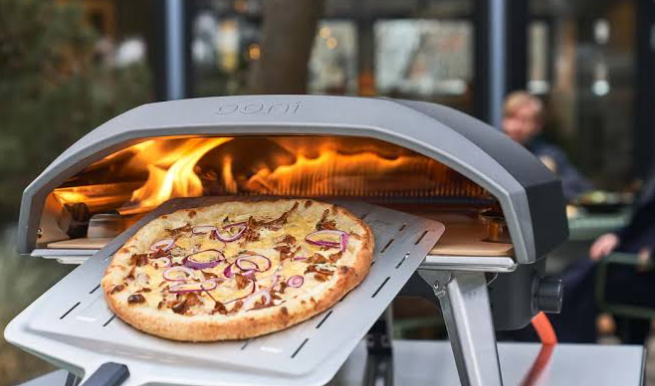
A good gas pizza oven can make outdoor pizza cooking faster, simpler, and easier to control. Unlike traditional wood-fired cooking, gas models allow users to start heating without preparing a fire or managing a large amount of fuel. This makes them especially attractive to home cooks who want restaurant-style pizza without turning every cooking session into a lengthy preparation process. With different sizes, burner arrangements, and cooking features available, choosing the right oven depends largely on how and where you plan to cook.
Big Horn Outdoors offers several styles of gas-powered outdoor pizza ovens designed around different cooking needs. Compact models can suit smaller households and limited outdoor spaces, while larger ovens provide more room for entertaining family and guests. Some models focus on straightforward manual operation, whereas others introduce dual-burner control or an automatically rotating cooking surface. Understanding these differences can make it easier to select an outdoor pizza oven that fits your cooking routine.
What Makes a Gas Pizza Oven Different?
A gas pizza oven uses a gas burner to generate the heat required for cooking pizza. The controlled flame allows the cook to adjust the temperature without having to build, maintain, or rearrange a wood fire. This can be particularly useful for beginners who are still learning how to manage high-temperature pizza cooking.
Another advantage is the convenience of predictable operation. Once the oven reaches the desired cooking temperature, the user can concentrate more on preparing and turning the pizza instead of constantly monitoring fuel. A gas system can also be useful when several pizzas need to be prepared during the same gathering because the oven can remain ready between batches.
The exact performance of each oven depends on its burner configuration, insulation, cooking surface, and overall construction. For that reason, comparing models based only on maximum temperature is not enough. Practical factors such as cooking space, controls, portability, and heat distribution can have an equally important effect on the user experience.
Why Choose a Propane Pizza Oven?
A propane pizza oven is a practical option for outdoor cooks who want a portable fuel source and straightforward operation. Propane cylinders can be used in suitable outdoor cooking environments, allowing the oven to operate independently of a household gas connection. This can make propane-powered equipment convenient for patios, gardens, outdoor kitchens, and other appropriate spaces.
Portability is another important consideration. If you want to move the oven between storage and the cooking area, a compact propane design may be easier to handle than a larger permanent outdoor installation. Some models can also be useful for outdoor events or cooking setups where a fixed gas connection is not available.
As with any gas appliance, the fuel system should be used exactly according to the manufacturer’s instructions. The correct propane connection, regulator, cylinder, ventilation, and operating procedures should always be followed. Outdoor cooking equipment should never be operated in an unsuitable enclosed environment.
Choosing the Right Oven Size
Size plays an important role when comparing an outdoor pizza oven. A compact 12-inch model can be an efficient choice for individual pizzas and smaller households. Its smaller footprint can also make storage easier when outdoor space is limited.
A larger 15-inch oven provides additional cooking room, which can be useful when preparing pizzas with more toppings or when serving several people. The extra surface area gives the cook more flexibility while still maintaining a relatively manageable outdoor setup.
For larger gatherings, a 16-inch model can provide even more practical capacity. However, a bigger cooking surface usually means the oven itself may require more space for placement and storage. Buyers should therefore consider both cooking capacity and the physical dimensions of their outdoor area before choosing a model.
Compact 12-Inch Gas Pizza Ovens
A compact portable gas pizza oven can be particularly appealing to users who value simplicity and easy storage. A 12-inch cooking capacity is suitable for personal pizzas and smaller portions while keeping the overall equipment footprint relatively modest. This can make compact models practical for balconies or patios where appropriate outdoor appliance use is permitted.
The smaller format can also be easier for beginners to understand. There is less cooking space to manage, and the oven can be positioned conveniently for short pizza-making sessions. For households that do not regularly host large groups, a compact oven may provide enough capacity without taking up unnecessary room.
Portability can be another advantage. A lightweight or compact design is easier to move when reorganizing an outdoor kitchen or storing equipment after use. This flexibility can be valuable for users who want an outdoor cooking appliance without committing to a permanent setup.
Dual-Burner Models for Greater Control
A dual-burner propane pizza oven offers a different approach to heat management. Instead of relying on a single burner, the oven can provide independently controlled heat zones, depending on the model’s design. This can give the cook greater flexibility when managing the cooking surface and upper heat.
Independent burner control can be useful when different areas of the oven need different levels of heat. For example, the cook may want stronger heat near the pizza surface while adjusting another burner to influence the overall cooking environment. This provides additional control compared with a simple single-burner configuration.
The dual-burner design can be particularly interesting for experienced home cooks who want to experiment with heat management. It can also be useful when preparing different foods or cooking several pizzas during an outdoor gathering. However, additional controls may require a little more learning compared with a basic single-burner oven.
The Convenience of a Rotating Pizza Oven
A rotating pizza oven introduces another feature designed to simplify high-temperature cooking. Instead of requiring the user to repeatedly rotate the pizza manually, the cooking surface can rotate automatically in compatible models. This helps expose different sections of the pizza to heat more consistently.
Automatic rotation can be particularly useful for beginners. High-temperature pizza ovens can cook quickly, so a pizza may need to be turned several times during a short cooking period. A rotating system can reduce the amount of manual intervention required while helping create a more even result.
The rotating feature does not eliminate the need for attention. The cook still needs to monitor the pizza, check the toppings, and adjust the heat when necessary. However, it can make the cooking process more convenient, especially during busy gatherings when the cook is preparing multiple pizzas.
Temperature Monitoring Matters
Temperature management is one of the most important skills in pizza cooking. A gas pizza oven can make heat adjustment easier, but the cook still needs to understand how temperature affects the dough, toppings, and cooking surface.
A built-in or integrated temperature-monitoring feature can help users understand the oven’s internal conditions. This provides useful information during preheating and cooking and can make it easier to repeat successful results.
However, the displayed temperature should not be treated as the only indicator of readiness. The cooking surface itself can have a different temperature from the surrounding air inside the oven. Experienced cooks often pay attention to both the oven’s temperature reading and how quickly the pizza is cooking.
Gas Pizza Oven vs. Traditional Wood Cooking
Traditional wood-fired pizza cooking has a strong appeal because it combines live flames, smoke, and hands-on fire management. A gas model takes a different approach by emphasizing convenience and control. Neither approach needs to be treated as universally better because they serve different cooking preferences.
A propane pizza oven can be especially attractive for people who want to cook outdoors regularly but do not want to spend time preparing a wood fire. Gas operation can make spontaneous pizza nights easier because the oven can be heated without collecting and arranging firewood.
For users who enjoy the ritual of managing flames and developing traditional fire-cooking skills, a wood-fired setup may remain appealing. For those who prioritize speed, predictable operation, and convenient temperature adjustment, gas can offer a more straightforward solution.
How to Choose Between Different Big Horn Models
When comparing Big Horn Outdoors gas pizza ovens, it helps to think about your typical cooking situation rather than focusing on specifications alone. The compact 12-inch format can make sense for personal use and smaller spaces, while a 15-inch dual-burner design may provide additional flexibility for families and frequent entertaining.
The 16-inch auto-rotating option introduces another level of convenience for cooks who want a larger cooking area combined with automated movement. The rotating function can reduce manual turning and make the process easier when several pizzas are being prepared.
A useful way to narrow the options is to consider four questions: how many people you normally cook for, how much outdoor space you have, how important portability is, and how much control you want over the burners. These factors often provide a clearer buying direction than simply choosing the largest available model.
Preparing Better Pizza in a Gas Oven
Even the best outdoor pizza oven requires suitable preparation to produce consistent results. Start with a dough recipe that matches high-temperature cooking and avoid overloading the pizza with wet toppings. Excess moisture can make the center difficult to cook properly while the outer crust becomes ready.
Preheating should also receive enough attention. A properly heated cooking surface helps the dough begin cooking immediately when the pizza is placed inside. The exact preparation time and operating temperature should follow the manufacturer’s recommendations.
Once the pizza is cooking, monitor its progress closely. High-temperature ovens can produce a finished pizza quickly, so leaving it unattended for too long may result in an overcooked crust. With practice, users can learn how changes in burner settings, pizza placement, and rotation affect the final result.
Making Outdoor Pizza More Convenient
One of the biggest advantages of a portable gas pizza oven is that it can make outdoor cooking easier to fit into everyday life. Instead of treating pizza making as a special event requiring extensive preparation, users can incorporate it into weekend dinners, family meals, or casual gatherings.
A portable design can also make outdoor cooking areas more flexible. When the oven is not being used, it can be stored appropriately rather than permanently occupying valuable patio space. This is particularly useful for people who want several outdoor cooking tools but have limited room.
For larger gatherings, convenience becomes even more important. Faster setup, controlled heat, and features such as automatic rotation can allow the cook to spend more time with guests instead of constantly managing the equipment.
Safety and Maintenance Considerations
Gas-powered cooking equipment should always be treated as a high-heat appliance. The oven needs to be placed on a stable, suitable outdoor surface with adequate clearance from combustible materials. Users should also follow the manufacturer’s instructions for propane connections, burner operation, storage, and cleaning.
After cooking, the oven should be allowed to cool appropriately before maintenance or storage. The cooking surface should be kept clean, while food residue and other buildup should be removed according to the recommended procedure.
Regular inspection can also help maintain reliable performance. Connections, hoses, burners, and other relevant components should be checked according to the manufacturer’s maintenance guidance. If a component appears damaged or the appliance behaves unexpectedly, it should not be used until the issue has been properly addressed.
Final Thoughts
Choosing the right gas pizza oven is ultimately about matching the equipment to your cooking style. A compact 12-inch model can provide convenient pizza making for smaller households, while a larger dual-burner design offers additional heat-control possibilities. For cooks who value hands-free convenience, a rotating pizza oven can make turning pizzas easier while adding another practical feature to the outdoor cooking experience.
The right propane pizza oven can transform a backyard into a convenient pizza-making space without requiring the fire management associated with traditional wood cooking. By considering cooking capacity, burner control, portability, temperature monitoring, and useful features such as automatic rotation, outdoor cooks can choose a model that fits their needs. With the right setup and a little practice, homemade pizza can become an easy and enjoyable part of regular outdoor cooking.