
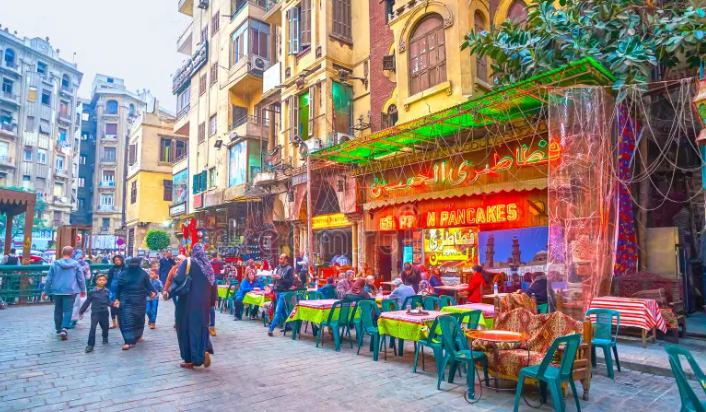
Cairo has a way of making food part of everyday life. Early in the morning, vendors prepare ful and taameya for commuters, while small restaurants serve steaming bowls of koshari throughout the day. Nearby, traditional markets fill with shoppers choosing fresh produce, spices, and ingredients for Egyptian home cooking.
Exploring Cairo street food offers travelers more than an opportunity to taste traditional dishes. It reveals how Egyptians eat, shop, and socialize across different neighborhoods. From the busy streets of Downtown Cairo to the historic surroundings of Khan el-Khalili, every area introduces another side of the city’s food culture.
This guide covers the best Egyptian street food to try, where to find authentic local flavors, which markets deserve a visit, and what to know about prices before ordering.
Best Street Food in Cairo
The best street food in Cairo combines simple ingredients, distinctive seasonings, and recipes that have become part of everyday Egyptian life. Some dishes are served in dedicated restaurants, while others are prepared in neighborhood bakeries or small food stalls. These are the local favorites worth knowing before your first food adventure.
Koshari
Koshari is one of Egypt’s most recognizable dishes and an excellent introduction to Cairo’s street-food scene. It combines rice, pasta, brown lentils, and chickpeas, topped with crispy fried onions and tomato sauce. Garlic-vinegar dressing, known as dakka, and spicy shatta sauce add extra flavor.
Despite its mixture of ingredients, koshari is surprisingly balanced, filling, and naturally suited to many vegetarian diets. It is commonly eaten for lunch or dinner, although dedicated koshari restaurants serve it throughout much of the day.
Ful Medames
Ful medames is a traditional Egyptian breakfast made from slow-cooked fava beans. The beans are usually seasoned with cumin, lemon, and oil, sometimes with garlic or additional toppings.
Locals enjoy ful with aish baladi, Egypt’s traditional flatbread, often alongside fresh vegetables and pickles. Its mild, earthy flavor makes it a comfortable starting point for travelers unfamiliar with Egyptian cuisine.
Taameya
Egyptian taameya resembles falafel but is traditionally prepared with fava beans rather than chickpeas. Fresh herbs, including parsley and coriander, give the mixture its characteristic green interior.
The patties are fried until crisp and commonly served inside baladi bread with tahini, vegetables, or pickles. Taameya is particularly popular at breakfast, although it makes a convenient snack later in the day.
Hawawshi
Hawawshi is a satisfying choice for travelers who prefer meat dishes. It consists of seasoned minced beef or other meat mixed with onions, peppers, and spices, then stuffed inside bread and baked until the outside becomes crisp.
The combination of savory filling and freshly baked bread makes hawawshi especially enjoyable when served hot. Traditional bakeries and specialized shops are good places to look for it.
Kebda Alexandrani
Kebda Alexandrani is a popular Egyptian liver sandwich known for its bold seasoning. Thin pieces of liver are cooked with garlic, cumin, peppers, and chili, then served inside bread.
Although the dish is associated with Alexandria, it is widely available across Cairo. Its strong flavor and slightly spicy character appeal particularly to adventurous food lovers.
Feteer Meshaltet
Feteer meshaltet is a traditional Egyptian pastry made from thin layers of dough folded with fat and baked until flaky and golden.
It can be enjoyed with honey, molasses, cheese, or other sweet and savory accompaniments. Larger portions are often shared, making feteer a good option for couples or groups exploring Egyptian food together.
Egyptian Desserts and Drinks
Sweet treats are another essential part of Cairo’s food culture. Basbousa is a soft semolina cake soaked in syrup, while kunafa features delicate pastry strands with sweet fillings. Om Ali is a warm, milk-based bread pudding that may contain nuts, raisins, and cream.
For drinks, try freshly pressed sugarcane juice, karkadeh made from hibiscus, or traditional Egyptian tea. These are widely associated with local cafés, juice shops, and everyday social gatherings.
Where to Eat in Cairo
Knowing where to eat in Cairo makes exploring its food scene easier. Rather than traveling across the city for individual dishes, visitors can concentrate on a few neighborhoods where traditional eateries, cafés, and local businesses are found close together.
Downtown Cairo
Downtown Cairo, also called Wust el-Balad, is one of the most convenient starting points for a street-food experience. Its streets contain long-established restaurants, bakeries, juice shops, and takeaway counters serving familiar Egyptian dishes.
Koshary Abou Tarek, on Champollion Street, is a well-known destination for travelers interested in tasting koshari. The surrounding Downtown area also offers opportunities to try ful, taameya, sandwiches, and traditional desserts.
A practical approach is to explore Downtown around lunchtime, beginning with a main dish before stopping at a juice shop or café. Talaat Harb Street and nearby streets provide additional opportunities to experience the district’s atmosphere.
If Cairo is part of a longer itinerary, exploring these neighborhoods can be combined with sightseeing through organized Cairo day tours, leaving time to discover local food between major attractions.
Islamic Cairo
Islamic Cairo offers a different setting, where traditional food experiences can be combined with historic architecture and old commercial streets.
Around Al-Muizz Street and neighboring areas, visitors will encounter small businesses, traditional cafés, sweet shops, and local food vendors. The appeal is not one particular restaurant but the opportunity to explore food culture alongside historic surroundings.
Al-Hussein
The Al-Hussein district is particularly appealing in the afternoon and evening, when the streets around the mosque and nearby bazaar become busy with visitors and local residents.
Traditional tea, Egyptian sweets, and nearby restaurants make this a suitable place for a relaxed food stop. It is especially convenient for travelers already visiting Khan el-Khalili.
For a comfortable experience, choose food that is thoroughly cooked and served hot, inspect preparation conditions, and use safe drinking water. The CDC advises additional precautions when purchasing food from street vendors, particularly where hygiene standards are uncertain.
Cairo Food Markets Worth Exploring
Cairo food markets offer an opportunity to see the ingredients and shopping traditions behind Egyptian cuisine. Unlike restaurants, these markets primarily serve local residents purchasing food for their homes.
Some specialize in fresh produce, while others are broad commercial districts with food sellers among many other businesses. Understanding these differences helps travelers decide where to explore.
Bab el-Louk Market
Located in central Cairo near Tahrir Square, Bab el-Louk Market is one of the more interesting destinations for visitors curious about everyday Egyptian shopping.
The market is associated with fresh vegetables, fruit, herbs, meat, and poultry. Shoppers move between vendors comparing products, purchasing ingredients, and preparing for meals at home.
For food enthusiasts, the experience helps explain the ingredients used in dishes such as ful, vegetable stews, and traditional Egyptian salads. The nearby streets also contain cafés and small eateries.
Morning or late morning is generally a sensible time to visit, when shopping activity is more visible. Bab el-Louk can be incorporated into a Downtown Cairo walk without requiring an entirely separate excursion.
Ataba Market Area
Ataba is one of Cairo’s busiest traditional commercial areas, with shops and street vendors selling clothing, household goods, and numerous everyday products.
Although it is not exclusively a food market, parts of the surrounding commercial district contain sellers offering food products, snacks, dried goods, and other ingredients.
The experience can be crowded and energetic, with narrow shopping passages and frequent pedestrian movement. Travelers interested in understanding Cairo’s commercial life may find it rewarding, but it is less suitable for a relaxed food-tasting experience.
Ataba Metro Station provides a practical arrival point for exploring the surrounding area.
Sayeda Zeinab Market Area
Sayeda Zeinab is a traditional Cairo neighborhood associated with local shopping, everyday street life, and Egyptian food culture.
Around its market streets, visitors may encounter bread shops, produce sellers, modest eateries, and vendors offering familiar local snacks.
Compared with major tourist shopping districts, the area’s attraction lies in observing normal neighborhood activity. It is particularly interesting for travelers who want to see how food fits into daily Egyptian life beyond the better-known visitor attractions.
Tips for Exploring Local Markets
Bring small Egyptian pound notes, wear comfortable walking shoes, and allow enough time to navigate crowded streets without rushing.
Ask permission before photographing vendors or their customers. Food markets are working spaces, and respecting shoppers and businesses makes the experience more comfortable for everyone.
If purchasing food, confirm the price first and choose items that can be stored or consumed safely. Travelers should also remember that produce markets are primarily for shopping, not necessarily for eating prepared meals.
What to Eat at Khan el-Khalili
Khan el-Khalili is one of Cairo’s most famous historic bazaars, located in the Al-Hussein district. Its origins date to the Mamluk period, and the surrounding streets remain an important part of Cairo’s commercial and cultural identity.
Although the bazaar is primarily known for souvenirs, traditional crafts, jewelry, and shopping, its cafés and nearby eateries make it an appealing destination for food lovers.
One of the best-known stops is El Fishawy Café, a historic coffeehouse within the bazaar. Visitors can enjoy traditional Egyptian tea or coffee while taking in the atmosphere of its narrow surroundings.
Egyptian sweets are another attraction. Shops in and around the historic district may offer kunafa, basbousa, baklava, and other pastries, with availability varying between businesses and seasons.
For a fuller meal, look beyond the souvenir stalls toward nearby restaurants and food counters in Al-Hussein and the surrounding streets. Traditional Egyptian dishes, grilled foods, and sandwiches can be found in the wider district.
Khan el-Khalili is particularly enjoyable when incorporated into a historic Cairo walking experience. Visitors might explore the bazaar, stop for tea, continue toward Al-Muizz Street, and finish with a meal in the surrounding area.
Allow time to sit rather than treating every stop as a quick purchase. Cairo’s traditional café culture is as much about conversation and observing daily life as it is about the drinks being served.
Remember that café and restaurant prices in busy tourist areas may differ from those in neighborhood establishments. Checking menus before ordering is always sensible.
Cairo Street Food Prices
Cairo street food prices vary according to the dish, portion size, location, and type of establishment. Small neighborhood food shops are generally more affordable than upscale restaurants and tourist-focused venues.
Koshari is a useful example of local food pricing. A menu listing updated in September 2026 for Koshary Abou Tarek showed a small box at 45 EGP, a medium box at 58 EGP, and a larger Abou Tarek box at 73 EGP. These figures are examples from one establishment, not fixed prices across Cairo.
Ful and taameya are generally inexpensive breakfast choices, especially when purchased from local takeaway counters. Hawawshi, liver sandwiches, and feteer can cost more depending on portion size, ingredients, and preparation.
Desserts and drinks also vary substantially between street vendors, local shops, and historic cafés.
Carry Egyptian pounds in smaller denominations because independent vendors may prefer cash and have limited change. Restaurants and established businesses may offer additional payment methods.
Before purchasing, check the displayed menu or ask “Bekam?”, meaning “How much?” Confirm the total price, especially when ordering multiple items.
Rather than budgeting around a single advertised price, leave some flexibility for different portions, cafés, and unexpected food discoveries. Prices can change, so recent menus are more reliable than older travel guides.
Conclusion
Cairo’s food culture is best explored through a combination of traditional dishes, local neighborhoods, and everyday markets. A bowl of koshari, a freshly prepared taameya sandwich, or a cup of tea in Khan el-Khalili can reveal a different side of the Egyptian capital.
For first-time visitors, Downtown Cairo and the historic districts offer practical starting points, while markets such as Bab el-Louk introduce the ingredients behind local cooking.
Choose a few experiences that interest you, allow time to explore, and make food part of your wider travel itinerary.
For travelers planning to combine Cairo with other destinations, explore these Egypt travel packages and build a journey with room for both famous landmarks and local experiences.