
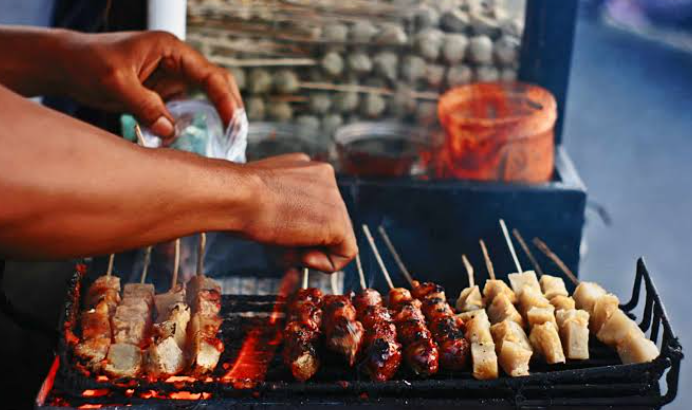
Few things capture the spirit of a place quite like its street food. Steaming bowls of noodles in Bangkok, smoky kebabs in Istanbul and fresh tacos in Mexico City all offer bold flavours for very little money. There is a catch, though. Food cooked and served on a busy pavement needs a little care, and knowing how to spot a clean vendor goes a long way towards keeping a holiday stomach happy.
A handful of simple habits can make all the difference. With them, travellers can tuck into genuine local dishes while keeping the risk of a nasty bug to a minimum.
Choose Busy and Popular Food Stalls
A long queue is often a good sign. Stalls with a steady stream of hungry customers tend to cook fresh batches all day, because nothing sits around unsold for long. Locals queuing for dumplings at lunchtime rarely get it wrong.
Crowds don’t tell the whole story, mind. Travellers do well to glance at the state of the cooking area, the containers holding the food and the cleanliness of whoever is doing the cooking. A grimy chopping board says more than any queue.
A spotless stall stocked with fresh produce is nearly always the safer bet. Uncovered food gathering dust or flies is a clear warning to walk on.
Check Food Preparation and Cooking Practices
Good cooking is the first line of defence. Germs can lurk in meat, fish, chicken and eggs left underdone in the middle. That’s why piping-hot dishes, cooked right through, are the wisest choice.
Grilled chicken, kebabs, seafood and other meat dishes deserve a closer look before the first bite. A charred outside can easily hide a pink, undercooked middle. A quick peek inside a skewer of chicken takes two seconds and can save two days in bed.
Many people travelling abroad for religious reasons also enjoy browsing local cafés and old food souks along the way. Pilgrims researching Umrah packages from Spain can benefit from brushing up on food hygiene before setting off, especially if they’re looking forward to tasting local Saudi Arabian cuisine. A warm plate of kabsa tastes even better without worries attached.
Pay Attention to Water and Ice Quality
Water deserves just as much thought as food, especially in places where the quality of drinking water can vary. A glass of tap water can undo a week of careful eating.
Dirty water can carry tiny organisms that upset the stomach and cause plenty of misery. Where the tap water isn’t safe, sealed bottles or a supply known to be clean are the sensible choice. A single sip from a hotel bathroom tap has spoiled many a trip.
Ice is easy to overlook. Cubes frozen from unsafe water can carry the same germs as the water itself. When nobody can say where the ice came from, asking for a drink without it is a wise move, even on a sweltering afternoon.
Raw fruit and vegetables rinsed in unsafe water can cause trouble as well. Fruit peeled on the spot, such as bananas or oranges, is usually safer than a ready-cut salad.
Maintain Personal Hygiene Before Eating
Vendors aren’t the only ones responsible for safe eating. Travellers have their own part to play.
A good scrub with soap and running water before a meal is one of the best ways to stop germs spreading. Where there’s no sink in sight, a small bottle of alcohol-based hand gel tucked into a pocket earns its keep.
Unwashed fingers and ready-to-eat food are a poor mix, especially at busy markets. A morning spent handling coins, door handles and bus rails leaves plenty behind on the skin.
Clean plates and cutlery help too. A quick wipe of a borrowed fork with a tissue takes seconds.
Be Careful with Raw and Uncovered Foods
Raw seafood, uncooked meat and uncovered dishes need extra care. Food left out in the open for hours can pick up insects, dust and the kind of warmth that bacteria love. A tray of prawns basking in the midday sun is best admired from a distance.
Perishable food goes off quickly when left out unchilled. On a hot day, germs breed at an alarming speed, and the risk of a stomach upset climbs with every hour.
Dishes that look as though they’ve been sitting around since breakfast are best skipped. Salads, creamy sauces made with dairy and seafood are the main ones to watch. If the mayonnaise has formed a crust, that’s a clear sign.
Freshly cooked meals almost always beat dishes kept warm or cold by guesswork. Watching a dish come straight off the grill is half the fun anyway.
Understand Local Ingredients and Food Allergies
Trying street food abroad often means meeting strange new ingredients and cooking styles. That’s part of the joy. People with food allergies need to tread especially carefully, though.
Common allergens include peanuts, tree nuts, milk, eggs, wheat, soy, fish and shellfish. Some sauces and spice blends hide ingredients that aren’t obvious at first glance. A harmless-looking satay dressing, for instance, is often packed with ground peanuts.
Asking the vendor what goes into a dish before ordering is always worthwhile. Learning a few handy local phrases about common allergies makes those conversations far easier. A card written in the local language can work wonders at a noisy stall.
For anyone with a serious allergy, the safest choice is to skip any dish whose ingredients or cooking methods can’t be confirmed. No snack is worth a trip to hospital.
Food Safety Tips for International Pilgrims
Overseas travel takes more than booking flights and a hotel. Pilgrims heading to Saudi Arabia also need to think about their daily meals and staying hydrated, especially during long hours spent outdoors in the heat.
People researching Umrah packages from Qatar can get ready for the trip by learning basic food safety habits before they leave. Picking freshly cooked meals, drinking safe water and keeping hands clean can make the whole journey far more comfortable. A refillable bottle and a pocket of hand gel make a big difference.
Choosing carefully matters most in the busiest seasons, when cafés and markets are packed. A food court just after evening prayers keeps cooks rushing.
What to Do If You Experience Food Poisoning
Even the most careful traveller can sometimes fall ill. Typical signs include nausea, stomach cramps, vomiting, diarrhoea and fever. It can strike the night before a long flight home.
Sipping safe fluids and staying hydrated matters most during bouts of diarrhoea or vomiting. Oral rehydration solutions can help replace the fluids and salts the body has lost. A few sachets tucked into a wash bag take up almost no room.
Medical help is needed if symptoms turn severe, blood shows up in the stool, a high fever sets in or there are signs of dehydration. Young children, older adults, pregnant women and anyone with a weak immune system may need a doctor sooner. A small child who hasn’t passed urine for hours needs checking promptly.
Conclusion
Street food sits at the heart of cultures worldwide, giving travellers a real taste of local flavours and traditions. Enjoying it safely comes down to a few simple but important habits: choosing clean stalls, eating food that’s cooked all the way through, checking the water and keeping hands clean.
By keeping an eye on how food is prepared and stored, travellers can cut their risk of falling ill while savouring the world’s street food. A little awareness turns every food adventure into a safer and far more enjoyable one. The best holiday memories rarely involve a bathroom floor.