
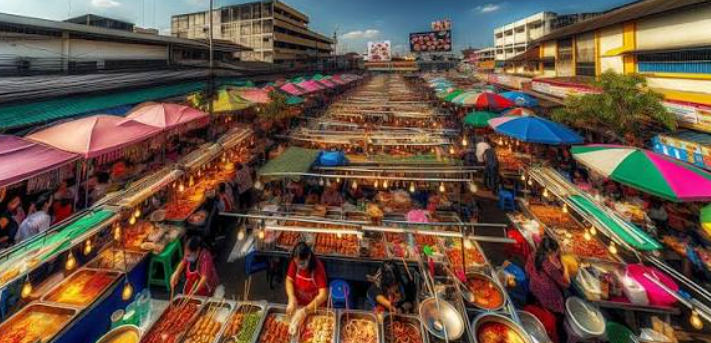
A paper plate of something hot from a roadside stall is rarely just a cheap, quick lunch. It carries a great deal of a country’s culture, its past and the rhythm of ordinary days. Whether it’s a crowded night market in Bangkok or a tiny cart on a cobbled European street, the cooks behind the counter serve up dishes that say something about local habits, harvests and neighbourhoods. For travellers, eating at street level is one of the most rewarding ways to get to know a place through its tastes, its cooking and its everyday food rituals.
Street Food as a Reflection of Local History
Plenty of much-loved street dishes have deep roots in a nation’s story. Some grew out of the simple need for fast, cheap food during a long working day. Others took shape through migration, trading routes and the swapping of ideas between cultures.
Mexico’s tacos are a good example, growing out of centuries of cooking with corn tortillas and whatever grew nearby. Over the generations, each region came up with its own fillings, salsas and ways of cooking. Kebabs tell a similar tale, and their popularity across much of the Middle East and South Asia speaks of centuries of shared recipes and regional cooking habits. A kebab grilled over charcoal in Lahore and one sliced in Istanbul are distant cousins.
Dishes like these show how history and daily life shape what people happily eat today.
Asian Street Food and Community Traditions
Asia is famous for street food that’s as varied as it is lively. Across Thailand, India, Vietnam and Japan, eating from a stall is woven tightly into ordinary life. Office workers grab breakfast from a cart before the morning commute.
Thailand wins hearts with Pad Thai and sweet mango sticky rice, which locals and tourists queue for alike. The old floating markets are a joy in their own right, where traders sell fruit and hot meals straight from wooden boats. Travelers interested in experiencing this atmosphere can explore the concept of a Thai floating market in Dubai, which brings elements of Thai culinary traditions into a different cultural setting.
India’s street food shows off its huge regional variety. Pani puri, samosas and chaat change from place to place, with different spices, chutneys and fillings depending on the city or state. Those snacks capture the country’s rich food heritage and how central spices are to everyday cooking. A plate of chaat in Delhi tastes nothing like one in Mumbai.
Vietnam’s pho and banh mi reveal how local ingredients and the twists of history have shaped the nation’s cooking. Many stallholders still follow recipes handed down from their grandparents. A steaming bowl of pho at dawn on a Hanoi pavement is a ritual in itself.
European Street Food and Regional Identity
Across Europe, street food grows out of local produce, regional tastes and food habits that go back centuries. Many countries have a signature snack that has become part of how the nation sees itself.
Italy has its pizza by the slice and golden arancini, both showing off a love of fresh ingredients and time-honoured cooking. Germany’s bratwurst, tucked into a roll or served with a dollop of mustard, is a firm favourite at open-air markets and festivals. A Christmas market in December would hardly feel complete without one.
Spain’s churros, dunked in thick hot chocolate, often turn up at breakfast or as a mid-afternoon treat. Snacks like these are more than handy fuel. They’re tied to social habits, celebrations and the customs of each region. Sharing a plate with friends after a late night out is almost a national pastime.
Food Culture Beyond Street Markets
A nation’s food identity stretches well beyond stalls and market squares. Seafront dining, long-standing family restaurants and regional seafood dishes reveal just as much about local culture and landscape. Dubai is a good case, with a varied food scene shaped by cooking from around the world and a long life by the sea. Visitors exploring best beach restaurants in Dubai can discover how seaside dining combines regional flavors, fresh ingredients, and modern culinary experiences.
Meals like these show that old recipes can settle into new surroundings without losing touch with their roots.
Street Food and Family Traditions
Recipes tend to travel down the family line. Many stallholders picked up their cooking skills from a parent, a grandparent or an aunt working beside them at the stove. A child stirring a pot at the back of a stall may well be running it one day.
In countless towns and cities, family-run stalls have fed their neighbourhoods for decades. Their recipes often haven’t changed in years, keeping old flavours and cooking methods alive.
These small businesses quietly protect a community’s identity too. A dish made the old way by a local cook can introduce younger people to the tastes of home while giving visitors a genuine taste of the region. That’s a lot of heritage served on a paper plate.
Festivals and Cultural Celebrations
Street food takes centre stage at festivals, religious holidays and big public gatherings all over the world. On special occasions, vendors often cook dishes that rarely appear the rest of the year. The smell alone can tell a whole town that the celebrations have begun.
During Ramadan, for instance, markets across many Muslim-majority countries fill with much-loved evening dishes and the classic snacks that break the fast. Festival stalls in Japan sizzle with takoyaki and yakisoba. In Mexico, street food plays a big part in national holidays and neighbourhood gatherings alike.
Moments like these bring people together and keep cultural customs alive through food shared at the same table. A crowded festival stall can feel like one big family meal.
Why Travelers Should Explore Street Food
Few things reveal a place better than its street food, which goes well beyond the famous landmarks. It opens a window onto regional ingredients, traditional cooking and how people really eat day to day. The best memory of a trip is often a snack bought for loose change.
Watching how a dish comes together, which ingredients turn up again and again and how locals chat with the cooks says a great deal about a culture. Street markets also turn up little-known regional treats that rarely make it onto restaurant menus.
A little care keeps the experience a happy one. Clean, busy stalls with plenty of locals queuing are usually the safest bet, and it pays to watch how the food is handled and to check that hot dishes arrive piping hot. A long queue is often the best review going.
Conclusion
Street food offers a vivid link between what people eat, where they’ve come from and who they are. Each nation’s dishes carry the mark of its harvests, customs, landscape and social habits. Whether in an Asian night market, a European square or a Latin American street corner, these meals give an honest glimpse of everyday life.
For travellers and food lovers, trying street food is about far more than a tasty bite. It’s also a way into the stories, customs and people that sit behind each plate. The recipe may fit on a scrap of paper. The history behind it rarely does.