
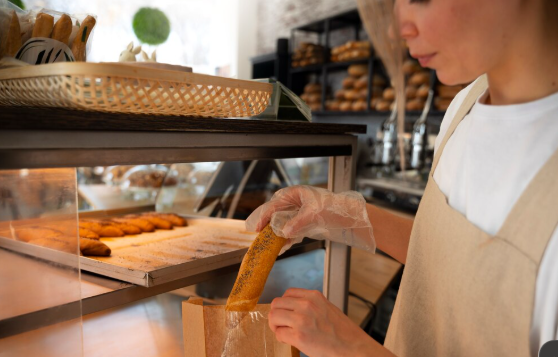
Bakery products appeal to more than taste. Their appearance, freshness, aroma, and presentation all shape a customer’s experience. A beautifully decorated cake, a box of warm pastries, or a batch of freshly baked cookies deserves packaging that reflects its quality.
Exclusive packaging also helps bakeries stand out in a crowded market. Customers often see the box or bag before they taste the product. Attractive designs, quality materials, and thoughtful details can build trust and encourage repeat purchases.
Designing distinctive packaging requires more than adding a logo to a box. Bakery owners need to consider product protection, material quality, brand colors, printing methods, convenience, and customer expectations. Let’s explore how you can design exceptional packaging for your bakery brand. Read on.
- Understand Your Bakery Brand Identity
Before choosing colors, materials, or box styles, define what makes your bakery different. A neighbourhood bakery that sells fresh bread has different packaging needs from a luxury patisserie specialising in handmade chocolates, macarons, and decorated cakes.
Your packaging should reflect your products, target audience, and brand personality. For example, a traditional bakery might use warm colors, simple illustrations, and kraft paper to create a familiar, homemade feel.
Branded bakery packaging should create a recognisable identity across every customer touchpoint. Use your logo, brand colors, typography, and visual elements consistently on cake boxes, pastry bags, cookie cartons, and takeaway packaging.
- Choose Packaging Materials That Protect Baked Goods
An attractive design means little if the packaging fails to protect the product. Bakery items can be delicate, and different products require different levels of support, ventilation, and moisture resistance.
Cardboard is a popular choice for bakery boxes because it offers a good balance of strength, flexibility, and print quality. Bakeries can use it for cupcakes, cookies, doughnuts, brownies, and other treats. Corrugated cardboard offers extra cushioning and strength for larger orders or products that need additional protection during delivery.
Kraft paper works well for bakeries that prefer a natural, rustic appearance. It suits bread bags, pastry sleeves, and selected takeaway products. However, the material must match the food’s moisture and grease levels. Ordinary paper may weaken when it absorbs oil or moisture, so suitable food-contact barriers or grease-resistant liners may be necessary.
- Create a Distinctive Design with Brand Colors
Color can influence how customers perceive your bakery. Soft pastel shades suit cupcakes, macarons, and celebration cakes. Brown, cream, and earthy green can support a rustic identity, while black, white, and metallic accents may create a more premium look.
Choose a small set of colors and use them consistently. Too many competing shades can make the design look cluttered and weaken brand recognition. A clear color palette gives your packaging a polished appearance and makes it easier to maintain a consistent look across different box sizes.
Typography matters just as much. Choose fonts that reflect your bakery’s personality while remaining easy to read. Decorative lettering can work well for a logo or a short message, but essential details should use clear text.
- Select the Right Packaging Style for Each Product
The shape and structure of a box affect both presentation and performance. A design that works for cookies may not suit a tall celebration cake. Selecting packaging around the product helps protect baked goods and improves the customer’s experience.
Cake boxes should provide enough height for frosting, toppers, and decorations. A secure closure helps prevent the lid from opening during transport, while a sturdy base supports the cake’s weight. For premium cakes, a window can let customers admire the decoration without opening the box.
Cupcake boxes need individual spaces to stop the cakes from sliding or touching one another. A well-fitted insert also helps protect icing and delicate toppings. For bakeries that sell assorted cupcakes, a larger box with separate compartments can make mixed selections easier to carry.
- Use Printing and Finishing to Add a Premium Touch
Printing and finishing can transform a simple box into a more memorable brand asset. The best approach depends on your budget, packaging material, and the image you want to create.
Full-color printing allows bakeries to use detailed artwork, photographs, patterns, and branded illustrations. It works well when a design needs several colors or when the packaging should match a particular campaign.
For a clean and affordable look, one- or two-color printing can be just as effective. A carefully placed logo on a kraft box, for instance, can feel more distinctive than a busy design with too many visual elements.
Wrap Up
Exclusive bakery packaging combines visual appeal, product protection, convenience, and a clear brand identity. Every decision matters, from the material and box structure to the colors, print finish, and opening experience.
The ideal designs begin with a simple question: what does your packaging need to communicate, and what must it protect? Answer that question before investing in decorative features. Then choose practical materials, create a recognisable visual style, and test the finished design with real products.
When packaging shows the quality of the baked goods inside, it can strengthen customer trust, improve gift presentation, and make your bakery easier to remember. A well-designed box is not just a container. It is part of the experience customers take home with them.