
If you’ve been paying attention to food trends over the last few years, you’ve probably noticed one theme coming up again and again: antioxidants. They show up in smoothie recipes, supplement ads, skincare products, and even energy bars.
Antioxidants are always popping up in conversations around wellness, about how they support your health from the inside out. But what does a high-antioxidant diet actually look like in real life? And how do you build one that’s realistic, enjoyable, and sustainable?
Here’s a practical guide to help you get started.
Why Antioxidants Matter
Antioxidants help your body manage oxidative stress, which is linked to aging, inflammation, and a long list of chronic conditions. They act like the cleaning crews of your internal system, neutralizing free radicals before they can cause too much damage.
A diet rich in antioxidants isn’t a fad. It’s one of the most consistently researched and reliable ways to support long-term wellness. You also don’t need expensive formulas or follow complicated superfood trends to benefit. Just a few smart choices added to your everyday meals is more than enough.
The Foundation
If you want to check the antioxidant density in your diet, look at your plate. The easiest rule to remember is that more colors usually indicate more antioxidants.
Here are the categories to build your daily meals around:
Vibrant Fruits
Berries carry some of the highest antioxidant concentrations of any food group. Blueberries, blackberries, strawberries, and raspberries top the list.
For people who want convenience without losing nutrition, freeze-dried options like a lyophilized raspberry offer high antioxidant retention and a long shelf life. They’re great for travel, smoothies, or even baking.
Dark Leafy Greens
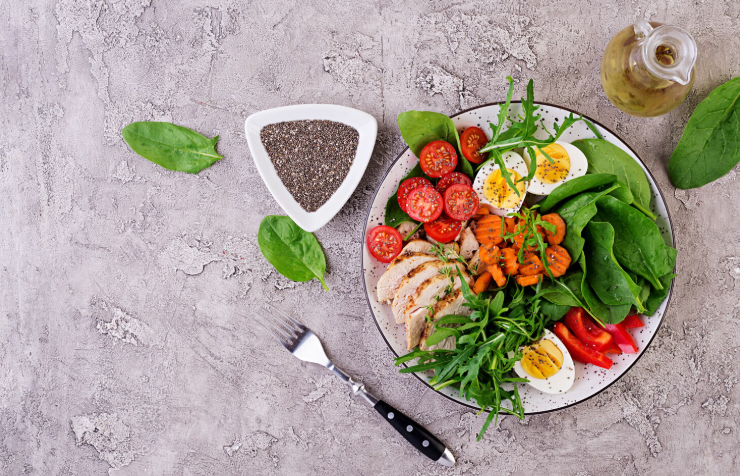
Spinach, kale, and rocket are rich in antioxidants such as lutein and beta-carotene. They also give you fiber, vitamins, and minerals that support digestion and energy.
A simple upgrade is to swap iceberg lettuce for spinach in your sandwiches, or to add greens to your morning eggs. They taste amazing, and you get to enjoy a healthier lifestyle.
Cruciferous Vegetables
Broccoli, cabbage, cauliflower, and Brussels sprouts contain compounds that support both detoxification and inflammation control.
Roasted Brussels sprouts with olive oil and sea salt are one of the easiest and most delicious ways to add antioxidants to your dinner.
Nuts and Seeds
Walnuts, almonds, flaxseed, chia, and even olive oil contain vitamin E and other antioxidant compounds. They’re also calorie-dense and satisfying, which makes them ideal for snacking or quick meals.
Beans and Whole Grains
Black beans, kidney beans, barley, and whole oats contribute antioxidants, fiber, and slow-digesting carbs that help keep energy levels steady. If you’re trying to reduce sugar cravings, this category can help a lot.
Small Habits to Follow
You don’t need to strictly change your entire diet. Often, it’s the smaller consistent habits that support better health outcomes.
Instead of focusing on what to cut out, focus on what to add in. Try replacing packaged sweets or chips with nuts or fresh fruits. Your cooking method matters a lot; avoid frying at high temperatures and choose steaming or roasting instead.