
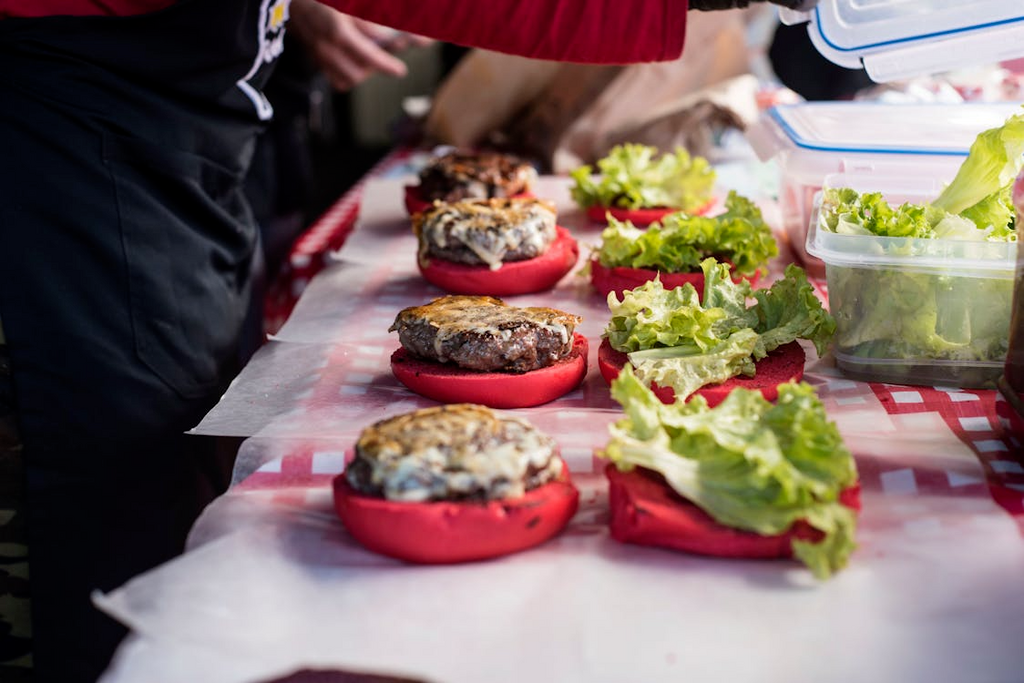
Bogotá’s real food story does not wait inside restaurants. It roams on the sidewalks, on the traffic crossroads, along the parks, busy walking streets, where people have to pass by for two minutes, have something to eat, and continue their movement. The people tend to be more focused on well-known meals, but street food reveals a more truthful narrative. It displays how individuals cope with the long working hours, cold weather, and tight schedules with simple, warm food.
Before you go: U.S. travelers should complete Colombia’s required pre-arrival form ahead of time – see check mig for us citizens today to get more information, expecting their experience to begin at hotels and landmarks. In reality, Bogotá’s food journey often begins at a street corner, where locals eat not for adventure, but for routine.
Carrera Séptima: The Walking Street That Feeds the City
One of the most active pedestrian streets in Bogotá, and the central parts in particular, is Carrera Séptima. Shop employees, street performers, and school children can be seen at the same place. The sidewalks are lined with food carts offering fast food that can be consumed on the go.
In this case, residents usually take a break and have little fried food, hot bread, and hot beverages. The goal is speed and comfort. Food is handed over in seconds. Conversations are short. Eating becomes part of walking, not a separate activity.
This street shows how food fits into Bogotá’s fast pace. It is not about sitting down. It is about keeping going.
La Candelaria: Old Streets, Everyday Bites

La Candelaria is known for its history and colorful buildings, but locals use its narrow streets for daily eating. Students from nearby universities and workers from nearby offices rely on small carts and simple food stalls.
Warm snacks dominate here, especially in cooler hours. Individuals are taken to eat quickly, a short distance close to the walls or doorways, and move on. The area shows how traditional neighborhoods still support modern routines.
It is not that food in La Candelaria is tourist-made. It is geared towards individuals who pass through daily.
Chapinero: Street Food for a Working Crowd
Chapinero is a large business and residential neighborhood. People in these streets usually go to work, home, and transport. Here, street food specializes in full-course foods, but not light foods.
Grilled foods, warm sandwiches, and higher-end street foods are served in the afternoon and evening. Sometimes the workers even eat while standing and then resume work by taking a short break.
As of 2023, pegged at 7.9 million, DANE (Departamento Administrativo Nacional de Estadisticia) reported that the city has approximately 7.9 million residents in Bogotá. Such locations as Chapinero demonstrate how a large city relies on quick and cheap street food to make the everyday life of the city run.
San Victorino: Food in the Middle of Trade
Bogotá has commercial areas that are the busiest, such as San Victorino. The streets are crowded with shoppers, delivery workers, and vendors. The street food here is intended to satisfy individuals who cannot stop for long hours.
This area is characterized by small portions, quick service, and low prices. Food is pragmatic and not social. People eat between sales, deliveries, and long walks through crowded streets.
This part of the city shows how street food supports commerce. In its absence, numerous employees would miss out on food or waste the time that cannot be spared.
Paloquemao Area: Fresh Markets, Street Eating

Street food is directly related to fresh produce near Paloquemao Market. Vendors offer very basic food made with ingredients that are brought in from the nearby stalls. This is a place where workers, drivers, and shoppers can have early and mid-day meals.
The field presents the collaboration of the markets and street food. Fresh food passes through the stalls to carts in a short time and makes meals simple as well as affordable.
Street Food and Informal Work
Street food in Bogotá is also directly associated with informal work. Vendors often run small and independent businesses. They depend on regular customers and busy streets.
Informal employment in Colombia represented more than 56% of total employment in 2023, according to DANE. This reality is street food vending.
These vendors are not temporary. They are part of how Bogotá feeds itself.
Why Famous Dishes Miss the Full Picture
Famous dishes usually require time, seating, and planning. None of that is needed in street food. It fits actual schedules, real budgets, and real weather.
Eating outdoors is a thing that works amongst the locals. It saves their time, keeps them warm, and in touch with the city’s pace. Bogota’s food culture is all built on repetition and not novelty.
What the Streets Reveal
There are stories of food on every block of the streets amongst Carrera Septima and Chapinero, in La Candelaria and San Victorino. Collectively, they demonstrate the manner in which Bogotá feasts amidst duties.
In addition to the well-known delicacies, the true flavor of Bogotas exists in brief meals, friendly hands, and common carts. The city subsists, one street after another, and in a steady, quiet manner.