
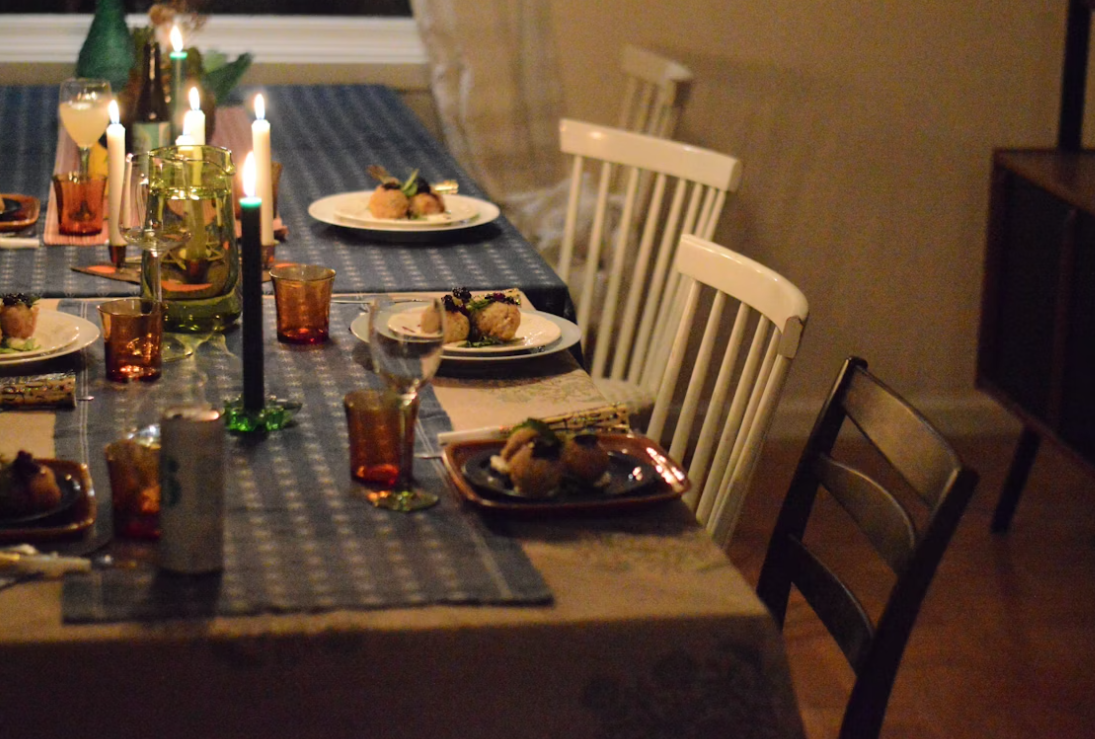
The ultimate home meal is not just about what you see on the plate. Human beings recall the way the space was, the way they were treated, and the way the night flowed between moments. That is what makes a simple dinner something warm, personal, and worth discussing afterwards.
To make dinner special, you do not need a large budget. It is more about intention, timing, and what type of care a Personal Chef could offer at the table. Even little details can turn your home meal into something thoughtful, calm, and truly memorable. Here is how you can create memorable dining experiences at home:
- Start With a Clear Mood
Decide how the meal will feel before you consider recipes. It may be warm, light, romantic, serene, or energetic, yet it must possess a single mood throughout. When the mood is clear, your food, music, table setting, and pace will all feel linked.
Lighting works harder than you might imagine. Dim lighting makes the room look relaxing, and bright lighting can render even excellent food less appealing. It can transform a room within minutes using a lamp, candles, or warm string lights without being forced.
- Create a Table That Feels Thoughtful
A memorable table does not require costly plates or formal objects. It should have balance, straight lines, and one or two personal details. Fresh water in transparent glasses, a simple cloth napkin, and a small centerpiece can transform a bare table into a planned one.
Even color counts. Keep your dishes, napkins, flowers, and serving-dishes within a narrow scope of color, to make the table appear quiet rather than animated. This makes the food shine and contributes to the entire meal being smoother.
- Cook With Small Surprises
Home meals with one surprise are generally the most remembering. It might be a home-cooked sauce, a quack starter in a new form, or an unexpectedly textured dessert. This little twist provides some character and makes the meal seem a bit less mundane.
People do not need a long menu to be impressed. A shorter menu can actually be better as it gives you more control and reduces stress in the kitchen. A starter, a main dish, a side dish, and a dessert can feel complete when each component is well prepared.
Attempt to put opposition on the plate. Combine something warm with something cool, something soft with something crisp, or something rich with something bright and fresh. These little differences transform food into an exciting activity and remind guests that every bite has been prepared with care.
- Add Sensory Touches Guests Remember
Dining memories are formed with all the senses rather than just taste. Individuals perceive the fragrance at the entrance, the touch of the tablecloth, the flow of a beverage, and the appearance of a dish. The experience feels complete when these elements are combined.
This is where a few clever things can make a large impact. They need not be expensive, though they ought to contribute to the atmosphere and soften the evening. Good hosting can be unseen as each micro-component functions without strain.
- Pour ice, then cold drinks.
- Preheat hot dishes.
- Apply a single scent signature, such as lemon, rosemary, or vanilla.
- Maintain a clean and clutter-free serving area.
- Make Service a Part of the Experience
The way you serve is nearly as important as the stuff you serve. Taking the dishes out with gentle energy, describing one fact is interesting, and slowing the meal down can leave the guests feeling that they have been part of something special. Service at home should be cordial and natural, not mechanical.
Take things a step at a time. Have the meal served in phases so every course has its time, and your guests can talk and relax. Even simple food feels better with this slower rhythm.
You can even make little tiny interaction points. Allow guests to complete a plate with grated cheese, pour a table sauce, or decide on two dessert toppings. These little touches make the meal less general, and people recall it as an experience, not merely a menu.
- Create Conversation as Part of the Flavor
Food is a unifying force, yet it is conversation that gives the meal its soul. A considerate host listens to the conversation of his guests and ensures the table remains open, light, and easy. The idea is not to dominate every moment but to influence the tone in a kind manner.
A fine table at dinner can begin with plain questions. Discuss a recent moment of joy, a favorite memory of food, or something new they have tried recently. These questions are natural and tend to produce stories that enrich the evening.
In conclusion, the final segment of the evening leaves behind what is best remembered. A light dessert, a hot beverage, or a little end bite might complete the meal in a fulfilling way without overloading. A delving finish is what makes the whole experience feel complete and well planned.
Consider the post-main-meal transition. Clear the table lightly, reduce the music a notch, and present something that asks people to slow down. This transition informs visitors that the night is continuing, but in a calmer and less loud manner.