
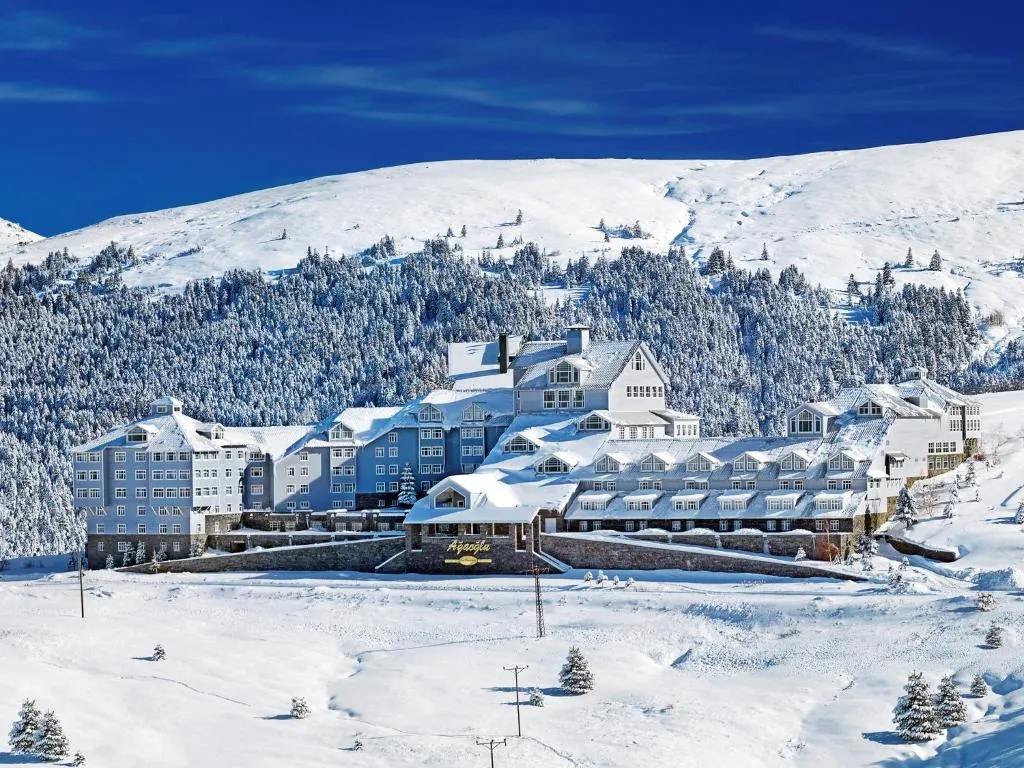
Does it snow in the Middle-East? Most people immediately say no. Deserts, sandstorms, blazing heat—they imagine nothing but dry, endless stretches of sand and camels. But that is wrong. Snow in the Middle-East is very real. It happens every winter in certain countries and mountain regions. If you are asking where does it snow in the Middle-East, or whether you can take a snow holiday in the Middle-East, the answers are surprising—and actually pretty fun.
Snow in the Middle-East isn’t just a freak headline. Some winters deliver serious snowfalls that shut down roads, cover cities, and create proper ski conditions. From Lebanon to Iran, Turkey to Israel, and even northern Saudi Arabia, there are multiple regions where snowfall in the Middle-East is regular. You just have to know where to look if you want to visit….
Table of Contents
Where Is the Middle-East?
Before we start throwing snowballs, let’s figure out what counts as the Middle-East. Geographically, it mostly means Western Asia, sometimes stretching into North Africa. Countries usually included are Saudi Arabia, United Arab Emirates, Qatar, Oman, Yemen, Jordan, Israel, Lebanon, Syria, Iraq, Iran, and sometimes Turkey.
Deserts dominate the image, but mountains exist. Mountains mean snow. That’s why you get snow in the Middle-East even if Dubai is roasting below. Altitude plus winter storms equals snowfall in the Middle-East.

Where Does It Snow in the Middle-East?
Snow in the Middle-East is mostly an altitude game. You climb, temperatures drop, storms hit, and suddenly your desert expectations vanish.
Lebanon
Lebanon is the poster child for snow in the Middle-East. The Mount Lebanon range climbs steeply from the coast and gets hammered by winter storms. Resorts like Mzaar Kfardebian offer proper skiing from December through March. Beirut may be mild, but just a 45-minute drive uphill and you are in full alpine conditions. Snowfall in the Middle-East doesn’t get more reliable than this.
Click to read about street food in Beirut.

Iran
Iran is the heavyweight of snow in the Middle-East. The Alborz Mountains in the north and the Zagros range in the west get multiple metres of snow every winter. Resorts like Dizin see serious powder, and Mount Damavand remains snow capped most of the year. If you want a proper snow holiday in the Middle-East, Iran is unbeatable.
Currently have bigger issues, but famously their ski scene is fairly debouched.

Turkey
Eastern Turkey sees brutal winters. Resorts like Uludag and Palandoken near Erzurum get heavy, reliable snow. For people asking does it snow in the Middle-East, Turkey proves it beyond doubt.
Israel
Even Israel has snowfall in the Middle-East. Mount Hermon is the main ski area. Jerusalem also sees snow every few years, causing brief nationwide chaos and picture-perfect cityscapes. Snow in the Middle-East is not a myth here.

Jordan
High elevations in Jordan, like Ajloun and the outskirts of Amman, get snow some winters. Not enough for full ski resorts, but it’s still genuine snowfall in the Middle-East.
Syria
Syria’s mountain ranges, particularly in the northwest, receive regular winter snow. Cities near these ranges occasionally see streets blanketed in white. This is classic snow in the Middle-East territory for those looking to experience winter there.

Iraq
Northern Iraq, especially the Kurdish regions, gets heavy snow during winter. Areas around Erbil and Dohuk regularly experience temperatures below zero and accumulated snow. Snowfall in the Middle-East here is serious enough to support local winter activities.

Saudi Arabia
Even northern Saudi Arabia, particularly Tabuk and surrounding mountains, occasionally sees snowstorms. Camels in the snow are real. It’s rare but still counts as snow in the Middle-East.

Nearby Snowy Regions
If you are near the Middle-East but want serious winter fun, the Caucasus is just next door. Georgia and Armenia both get heavy winter snow and skiing. Central Asia, including Kazakhstan, offers extended winter conditions. These regions aren’t technically Middle-East, but they’re geographically close, and snow in the Middle-East is often linked to these nearby mountains.
Vital Stats on Snow in the Middle-East
Lebanon’s mountains can see over three metres of snow each season. Iran’s Alborz Mountains can get four to five metres, with base depths comparable to Europe’s Alps. Mount Hermon averages over a metre when conditions allow. Eastern Turkey regularly drops below minus ten Celsius, creating proper winter sports conditions. Northern Iraq and Syria experience multiple snow events per season, and even northern Saudi Arabia occasionally hits sub-zero temperatures with snowfall.
Meanwhile lowland Gulf states rarely see snow, but the mountains prove that snow in the Middle-East is very real and measurable. Snowfall in the Middle-East is more than a novelty—it is serious winter weather in many regions.

Can I Take a Snow Holiday in the Middle-East?
Yes. Snow holidays in the Middle-East are possible and often surprisingly good. Lebanon, Iran, and Turkey are your best bets. Mount Hermon in Israel works for short trips. Benefits? Short travel, novelty factor, cheaper lift passes than Europe, and skiing in the morning with hummus and coffee back in the city by evening.
Main Snow Holiday Spots in the Middle-East
Mzaar Kfardebian, Lebanon – Best known resort with multiple lifts and reliable snow.
Dizin Ski Resort, Iran – High altitude, long season, deep powder.
Uludag, Turkey – Popular Turkish resort with modern facilities.
Mount Hermon, Israel – Small but functional, classic Middle-East snow.


Summary
So does it snow in the Middle-East? Absolutely. Snow in the Middle-East happens every winter in Lebanon, Iran, Turkey, Israel, Jordan, Syria, Iraq, and even northern Saudi Arabia. You can plan a snow holiday in the Middle-East, ski, photograph, or simply enjoy the novelty. Snowfall in the Middle-East is real, measurable, and in many areas, impressive. The desert dominates the image, but winter absolutely exists, and snow in the Middle-East is waiting if you know where to go.
Click to see my Middle-East Tours with YPT!