
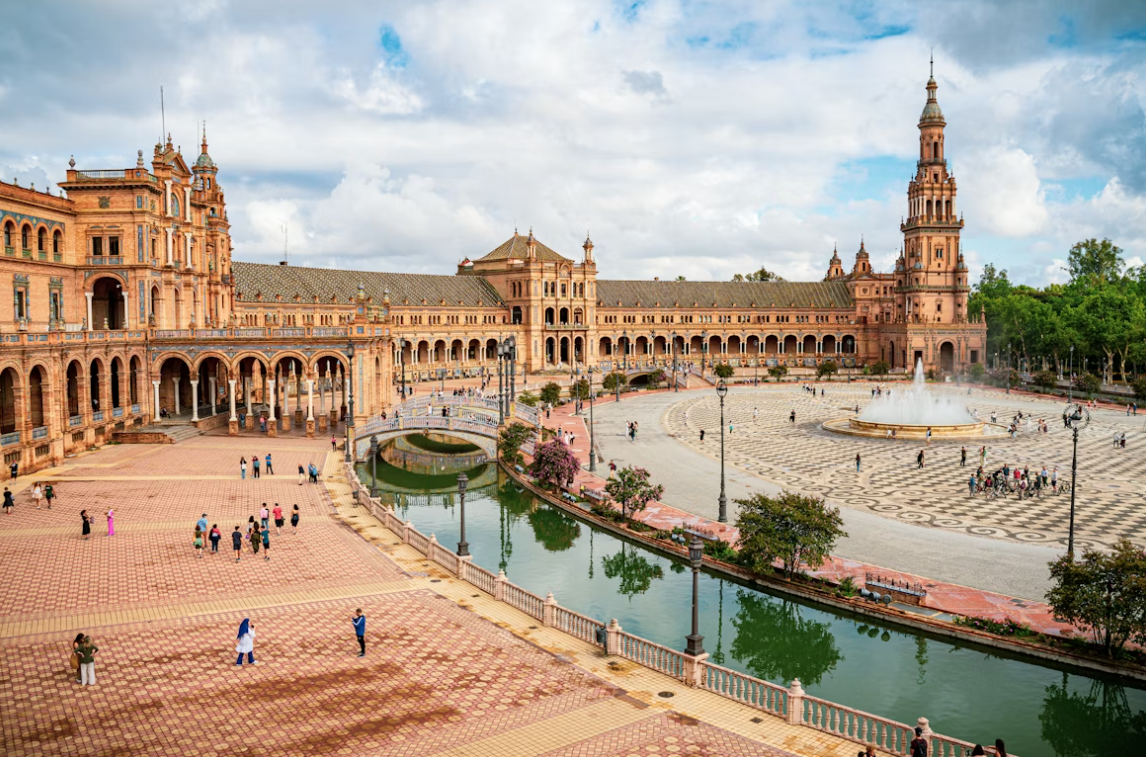
Stepping into the world of Seville’s small plates is far more than just having a meal; it is a social ritual, a way of life that defines the rhythm of the city. Deeply rooted in Andalusian identity, this tradition turns every bar into a meeting place and every tapa into a story of flavor. For visitors, mastering this art is the key to understanding the very essence of the Andalusian capital, where gastronomy intertwines with relaxed conversation and the enjoyment of the moment. This guide aims to be your companion on that sensory journey, offering you the tools to move confidently between paper tablecloths and marble countertops, avoiding common tourist traps and connecting with the city’s authentic local pulse. We invite you to slow down and immerse yourself in a tradition that celebrates good living, excellent ingredients, and great company.
The magic of this custom lies not only in the food, but in everything that surrounds it: the lively hum of the bar, the skilled movement of waiters weaving between tables, and the philosophy of sharing. In Seville, going out for tapas is a national pastime, an ideal excuse to socialize and explore the different neighborhoods that make up the city’s urban mosaic. Each area, from historic Santa Cruz to the deeply traditional Triana district, offers its own interpretation of this culture, with specialties that reflect the land and the heritage of its people. Appreciating these nuances is essential for a truly memorable experience, far removed from the most over-trodden routes. That’s why we provide you with a conceptual map to help you move through the city with the confidence of a local, discovering those corners where tradition and quality go hand in hand.
How to Immerse Yourself in the Local Food Culture
To truly integrate into Seville’s tapas ritual, it’s important to adapt to local schedules and customs. The aperitif hour, around one or two in the afternoon, marks the start of the day’s gastronomic activity, while the evening tapas crawl typically begins after eight. Moving fluidly between these times allows you to enjoy the most authentic atmosphere, when bars fill with locals and the energy reaches its peak. This isn’t a formal sit-down meal, but rather a carefree stroll between different establishments, sampling a bite at each one and pairing it with a cold draft beer or a glass of local wine. This back-and-forth, known as “tapeo” or going out for beers, is the perfect choreography for savoring the city one small sip at a time.
Attitude is another crucial element. The bar counter is a democratic space where everyone is welcome, but it’s important to observe and follow the rhythm set by the regulars. Don’t hesitate to ask the bartender about the daily specials or house recommendations, their knowledge is an invaluable resource. Elegance here lies in naturalness and respect for the shared space. In many traditional places, eating standing up at the bar is common, often shoulder to shoulder with strangers who may quickly become conversation partners. Embracing this spontaneity is a fundamental part of the adventure. Also keep in mind that a “ración” is a more generous portion meant for sharing, while a tapa is the individual serving that invites you to keep moving.
The Best Places to Enjoy Small Plates
Seville’s bar scene is as diverse as it is captivating, ranging from centuries-old taverns with original tilework to contemporary spaces that reinvent traditional cuisine. Choosing where to go can completely shape your experience, so it helps to understand the different categories. Broadly speaking, this ecosystem can be divided into two main families: temples of tradition, where time seems to stand still, and cutting-edge venues that embrace creativity and modern presentation. Both are complementary and offer different perspectives on the same passion. A smart itinerary combines visits to both, allowing you to appreciate the evolution of a tradition that stays alive precisely because it knows how to adapt without losing its soul.
To avoid feeling overwhelmed by endless options, it’s helpful to focus your exploration on a single neighborhood. Concentrating on areas like La Alfalfa, El Arenal, or the Alameda de Hércules allows you to walk between a dense cluster of high-quality establishments. Competition in these zones is fierce, which guarantees top-notch freshness and careful preparation. Many of these places are family-run businesses that have been perfecting their recipes for decades, passing down a culinary legacy from generation to generation. Stepping inside them is like opening a living history book, where every dish has a reason and every flavor carries a memory.
Bars with Tradition and Charm
These are the sanctuaries where the essence of tapas culture is preserved in its purest form. They are usually small spaces, with dark, polished wooden bars, bottles lined up on shelves, and often cured hams hanging from the ceiling. The atmosphere is lively yet welcoming, infused with the aromas of frying oil, simmering broths, and wine. Menus are often written on chalkboards or recited aloud, and the specialties are classic dishes that have stood the test of time: spinach with chickpeas, kidneys in sherry sauce, “pringá” or shrimp fritters. The beauty lies in simplicity executed with mastery, where top-quality ingredients take center stage. For those seeking a guided immersion into this world, options like sevillatapastour.com offer an excellent opportunity to discover these spots with proper context.
Some names have become true institutions, must-visit pilgrimages for lovers of good food. We won’t list them all, but their mere presence on a narrow downtown street is a guarantee of a memorable experience. Service tends to be straightforward and unpretentious, yet warm once the ice is broken. It’s common to see groups of friends passionately debating over a tray of marinated potatoes or entire families celebrating a special occasion. The background noise, far from being a nuisance, is part of the place’s soundtrack. Visiting one of these bars means connecting with the most traditional soul of Seville, where every detail, from the wall tiles to the napkins tossed on the floor, tells a story.
Innovative and Avant-Garde Spots
On the other side of the culinary river are the establishments pushing tradition into new territory. Young, entrepreneurial chefs are reinterpreting classics with modern techniques, introducing international ingredients, and playing with bold presentations. These spaces tend to feature more refined design, shorter but carefully curated menus, and meticulous attention to detail, from glassware to pairings. This isn’t a break from the past, but rather a respectful dialogue that aims to surprise the palate without betraying core principles. Here you might encounter gazpacho served as a light foam, oxtail croquettes with contrasting textures, or fried fish reimagined with subtle Asian touches.
These projects reflect a dynamic, outward-looking city that absorbs influences without insecurity. Often located in up-and-coming neighborhoods or renovated spaces, they bring fresh energy to the culinary landscape. For curious visitors, they offer a fantastic opportunity to understand the evolution of Andalusian cuisine and enjoy a more complex sensory experience. Prices per bite are usually higher than in traditional taverns, but the creativity and technical quality often make it worthwhile. Pairing a visit to a classic institution with one of these innovation hubs provides a complete and enriching view of what the art of small plates means in 21st-century Seville.
Iconic Dishes You Must Try
For newcomers, navigating a Sevillian menu can feel overwhelming, but there are certain must-try dishes that act as guiding lights in this sea of flavors. These plates form the backbone of local tapas culture and offer a flavorful journey through the region’s most representative ingredients and techniques. From crispy fried bites to slow-cooked stews, each specialty has its moment and place. We recommend approaching them with curiosity and an open mind, some may surprise you with their intensity or seemingly unusual combinations. The key is to sample a little of everything, letting flavors unfold and complement one another, just as a local would.
Among countless delicacies, some have reached iconic status. You can’t leave the city without trying “jamón ibérico de bellota”, a sublime product served in paper-thin slices that celebrates pure flavor. Another undisputed classic is “salmorejo”, a cold tomato, bread, and olive oil cream, thicker than “gazpacho”, usually topped with diced ham and hard-boiled egg. “Pringá” sandwiches, made from shredded stew meats, are hearty and deeply comforting. And of course, fried fish: anchovies, calamari, or marinated dogfish, always crispy on the outside and tender within, showcase the mastery of Andalusian frying. Each bite of these dishes is a piece of cultural identity.
Regional Specialties
Beyond the great classics, there are other delicacies closely tied to Seville’s land and seasonal cycles. In the colder months, nothing beats a plate of spinach with chickpeas, a humble stew that combines vegetables and legumes in a broth scented with cumin and garlic. Another winter treasure is oxtail, slow-braised for hours until the meat falls apart, offering extraordinary depth of flavor. When spring arrives, wild asparagus and fresh fava beans appear in scrambled eggs and omelets, celebrating the freshness of local produce.
The influence of the Guadalquivir River and nearby marshlands is also felt in dishes like fried sea anemones or fish roe, aimed at more adventurous palates. And we can’t forget the world of pickled appetizers: marinated olives, skewered pickles, or pickled onions are the perfect prelude to any tapas crawl, awakening the appetite with their acidic, briny notes. Sampling these lesser-known specialties allows you to go beyond the obvious and connect with a rich, nuanced culinary tradition where every ingredient tells a story of climate, land, and human ingenuity.
The richness of convent pastries, “yemas”, “pestiños” torrijas”, deserves a chapter of its own and often provides the perfect sweet ending to a tapas-filled day. Many of these desserts are based on centuries-old recipes and offer a fragrant contrast that beautifully closes the culinary cycle. Exploring them means discovering another essential pillar of local gastronomy, where sweet traditions reach remarkable levels of excellence.
Tips for Ordering with Confidence and Style
To move comfortably in a Sevillian bar, it helps to master a few unwritten rules of etiquette. First, find an open spot at the bar or a table and make eye contact with the bartender. In crowded places, you may need to be a bit persistent, but always polite. Once you have their attention, don’t hesitate to ask what they recommend that day, especially if there’s fresh fish or a newly prepared stew. Ordering a drink first, a beer, wine, or soft drink, and then requesting small plates one by one is the most common and practical approach, allowing you to adjust the pace to your appetite.
When ordering, use local terms: a tapa is a small portion, a media ración is slightly larger, and a “ración” is meant for sharing. Don’t be afraid to mix different types of dishes, something cold, something fried, and something stewed can make for a delicious sequence. It’s good manners not to pile up empty plates at the bar; the bartender will clear them as you finish. As for payment, many places settle the bill at the end, with bartenders often keeping track mentally or marking the bar with chalk. Trust their memory, it’s usually flawless. Leaving a small tip (rounding up or a few euros) is appreciated, though not obligatory.
Avoid ordering everything at once or sitting at a table without checking if it’s free, a simple “Is this taken?” will save confusion. It’s also best not to linger too long over a single drink during peak hours, as these places rely on turnover. Enjoy, savor, but stay aware of the shared space. By following these simple guidelines, you’ll blend effortlessly into the natural flow of the bar and focus on what truly matters: the pleasure of sharing good food and good company.
Explore the Most Vibrant Neighborhoods for Eating
Bars are not evenly distributed across Seville; each district has its own character and culinary identity. Planning your routes by neighborhood allows you to experience very different atmospheres in a single day. The historic center, with its maze of narrow streets, is home to some of the city’s oldest and most touristy taverns, but it also hides lesser-known gems with a more local feel. Across the river, Triana maintains a strong identity, with bars proudly showcasing their roots and specialties like fried fish and legume stews. Wandering its streets and crossing the Isabel II Bridge is an experience in itself.
The Alameda de Hércules area has become the epicenter of alternative and youthful nightlife, blending tradition with innovation and featuring lively terraces that buzz late into the night. Meanwhile, El Arenal, near the bullring, is known for its seafood and fried fish bars, perfect for a meal by the river. For those seeking a more sophisticated, contemporary vibe, the area around Calle San Fernando and Plaza Nueva offers several chef-driven establishments serving upscale tapas. Each of these zones has its own personality, and dedicating an afternoon to exploring one of them provides a multifaceted and enriching view of the city.
Never underestimate the value of getting a little lost. Sometimes the best culinary surprises await on an unassuming side street, in a neighborhood bar without an English menu. A local recommendation is often the best guide you can have. If you strike up a conversation with a Sevillian, don’t hesitate to ask for advice, most take great pride in their culinary heritage and are happy to point you toward their favorite spot. This neighborhood-based exploration isn’t just about food; it’s an anthropological journey that reveals the rhythms, accents, and traditions that make up Seville’s soul.