
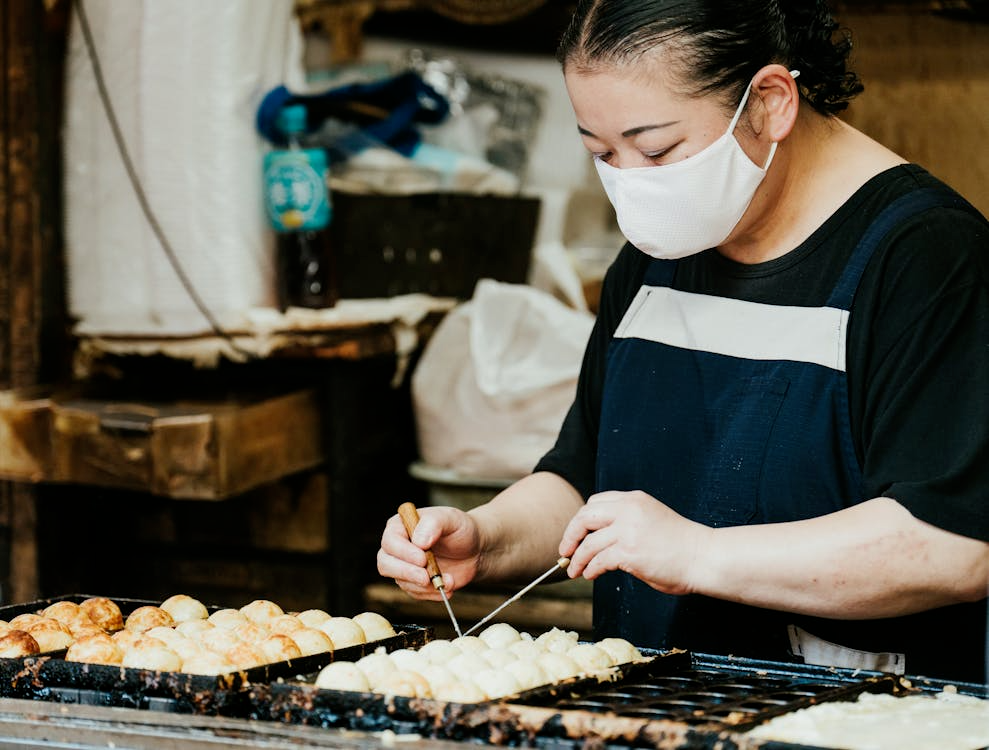
Kyoto City is a feast before the initial dish is presented. In the narrow lanes that are parted with the bamboo groves and the ancient temples, food stalls are colourful, aroma-filled, and flavourful. Kyoto is not just a food, but a cultural, historical, and seasonal sightseeing destination. Each bite is a retelling of the tradition, community, and the connection of the city with the food at this place.
Most of the tourists begin their trip by making arrangements over the internet about the travel and entry into the country, to know what is needed to travel to Japan, and to discover that the real focus is on the food on the table once in Kyoto. In its vibrant markets and the serene lean streets, the city is seen to be a significant source of memorable delicacies that capture the history and ordinary living.
Nishiki Market: Kyoto’s Kitchen
The Nishiki marketplace, also known as the Kyoto kitchen, is the five block section of downtown Kyoto, and is thought to be the best place to embark on a food adventure in Kyoto. It is a mature market with traders who sell local favourites, snacks, and ingredients.
The street foods that should not be missed in this place are:
- Tako tamago: stuffed grilled and skewered baby octopus with a quail egg.
- Dashimaki tamago: A rolled omelette that is made with broth and has a dainty, sweet flavor.
- Minced beef cutlet: Fresh on the outside, juicy on the inside, and perfect at any rate.
Each of the bites in this part is similar to a portrait of the food life in Kyoto, which is a blend of tradition and the ambiance of the street-food restaurant.
Arashiyama: Sweet Treats Near the Bamboo Grove

Arashiyama is well-known for its bamboo forest area and picturesque beauty, and memorable meals can be found there as well. Food stands selling dango (soft rice dumplings on a stick) are found among the stalls that are everywhere around the main attractions (they are occasionally topped with a sweet soy glaze or a matcha glaze).
Visitors in winter also have a meal of yudofu that is either simmered tofu, served hot with dipping sauce. Such simple food shows the care for the quality of the ingredients and the simplicity of the cooking process, which was inherent in the Buddhist cuisine in Kyoto.
Gion and Sannenzaka: Classic Sweets and Kyoto Snacks
Traditional food is taken on a traditional tone in historic areas such as Gion and the stone-paved Sannenzaka street. The pavements of these streets are filled with shops and stalls which sell:
- Taiyaki: Fish-shaped sweet red bean paste cakes.
- Warabi mochi: Mocha that is served as jelly sprinkled with kinako (roasted soybean flour).
- Green, light, and creamy matcha ice cream, a Kyoto tea.
These confectioneries go hand in hand with strolls with lanterns and past ancient quarters, and every establishment seems like a time-travel.
Kyoto’s Tea and Sake Culture
It is considered that Kyoto is the core of the Japanese tea culture. Tea houses near Uji, which are a short ride out of the city, are the best places to have green tea in Japan. People and tourists in the area also prefer matcha lattes and tea celebrations, which revere hospitality and mindfulness.
Sake brewing (particularly in Fushimi district) is also favored by the soft water in the city. Kyoto sake has an uncontaminated, sophisticated flavor that is excellent to have with street food and festival food.
Sushi and Kyoto Classics

Kyoto gives its own spin to the Japanese delicacies. Kyozushi (Kyoto-style sushi) can be characterized by preserved fish and local food, as the city has a long tradition of landlocked places. It is not really about seafood that is raw; it is about meticulousness when it comes to preparation.
Other delicacies should be tried, such as obento lunchboxes that contain rice, pickles, vegetables, and other seasonal side dishes, which are best served during picnics at the temples or at the canal banks.
How Food Reflects Kyoto’s Tourism
Kyoto is a food and travel overlap. The Kyoto tourism statistics show that the city received millions of tourists every year, and thenumber of domestic and foreign visitors exploring the culture and cuisine of the city has been huge. A pre-2020 survey established that approximately half of the visitors to restaurants in Kyoto were tourists, and approximately a fifth of them were international, signifying the global appeal of Kyoto.
The Kyoto food scene is a place where one can not only eat but also walk, taste, share, and explore. You are in the thickest market stall or in a deserted tea house, and any food is a chance to find out the soul of the city.