
Running a restaurant in a hot climate comes with serious challenges. When the temperature outside is above 90 degrees for weeks or months at a time, food safety becomes more difficult. Heat speeds up spoilage. Bacteria grow faster. Produce wilts quickly. Meat can become unsafe in a short window of time.
If you operate in places like Miami, Las Vegas, Bangkok, or Dubai, you already know that managing temperature is not optional. It is the foundation of your entire operation.
In hot climates, restaurants do not just rely on a single refrigerator. They build layered systems. They control airflow, humidity, insulation, and food rotation. They invest in strong refrigeration equipment. Most importantly, they train staff to treat temperature control as a daily discipline.
Why Heat Changes Everything
Heat accelerates spoilage. The “danger zone” for food safety is between 40°F and 140°F. In hot climates, ingredients can reach that range quickly during delivery, prep, or storage if systems are weak.
A truck parked in the sun can reach 130°F inside within minutes. A prep table near a hot stove can warm food faster than expected. Even small gaps in cooler doors can let hot air in constantly.
Because of this, restaurants in warm regions think about temperature at every stage: delivery, storage, prep, service, and even waste management.
Walk-In Coolers and Freezers Are the Core
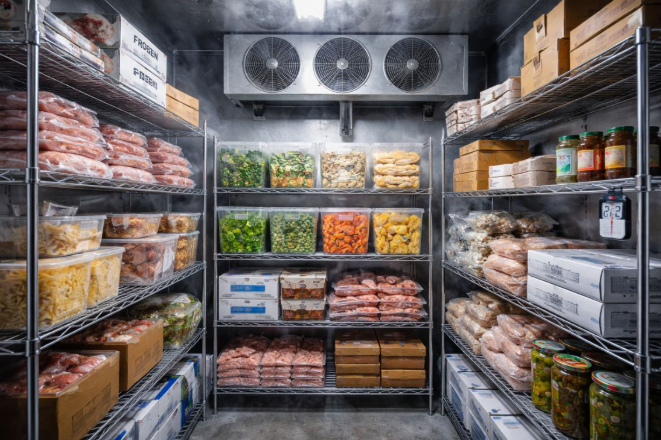
The heart of ingredient storage is the walk-in refrigerator and freezer. These units are larger and more powerful than standard kitchen refrigerators. They are insulated boxes with commercial-grade cooling systems.
In hot climates, these units must work harder. Restaurants often install thicker insulation panels to keep outside heat from penetrating. Many kitchens also use strip curtains inside the cooler doorway. These plastic strips reduce warm air exchange when staff walk in and out.
A typical walk-in cooler is set between 34°F and 38°F. A walk-in freezer usually runs at 0°F or slightly below. Thermometers are placed in multiple spots to make sure temperature is consistent throughout the space.
Restaurants also avoid overcrowding shelves. Air must circulate freely. When airflow is blocked, warm pockets form and food spoils faster.
Smart Kitchen Layout Design
Heat does not just come from outside. Ovens, grills, fryers, and dishwashers produce large amounts of internal heat. Smart restaurants separate cold storage from hot cooking lines.
Walk-in units are often placed away from direct sunlight and not next to ovens. Some kitchens even build small “cold prep rooms” that are air conditioned separately from the rest of the space. This gives chefs a controlled area to handle sensitive ingredients like seafood or dairy.
Managing Produce in Extreme Heat
Fresh vegetables and fruits are especially sensitive to hot conditions. Leafy greens wilt quickly. Berries mold faster. Tomatoes soften and lose structure.
Restaurants handle produce in smaller batches. Instead of ordering a week’s worth at once, many kitchens schedule multiple deliveries per week. This reduces how long ingredients sit in storage.
Humidity control is also important. Too much moisture causes mold. Too little moisture dries out vegetables. Some walk-in coolers include humidity settings specifically for produce.
Chefs also separate ethylene-producing fruits like bananas and apples from delicate vegetables. Ethylene gas speeds up ripening and spoilage.
Temperature checks are recorded daily. In high heat regions, some restaurants log temperatures twice per shift to ensure compliance and safety.
Meat and Seafood Storage Standards
Raw meat and seafood are high-risk ingredients. In hot climates, restaurants are extremely strict about storage temperatures.
Beef, chicken, and pork are stored at 34°F to 38°F. Seafood is often stored even colder, close to 32°F, sometimes packed in ice inside perforated containers to allow drainage.
Freezers are used for longer-term storage, especially for bulk proteins. Vacuum sealing is common. Removing oxygen slows bacterial growth and prevents freezer burn.
Cross contamination is another concern. Raw meats are stored on lower shelves to prevent juices from dripping onto other foods. Separate storage bins are labeled clearly.
Outdoor and Overflow Storage Solutions
In extremely hot areas, space inside the building may not be enough. During peak seasons or events, some restaurants use external refrigeration.
This is where reefer containers become valuable. These are refrigerated shipping containers that function as mobile cold storage units. They are insulated, temperature-controlled, and can be placed behind a restaurant or in a nearby lot.
In hot climates, they provide extra freezer or refrigerator capacity without requiring permanent construction.
Protecting Dry Storage from Heat
Not all ingredients go in refrigerators. Flour, rice, sugar, spices, oils, and canned goods are stored in dry storage areas. In hot climates, even these spaces must be carefully managed.
Dry storage rooms are kept cool, ideally below 70°F. Air conditioning or ventilation fans help prevent heat buildup. Shelves are raised off the floor to improve airflow and protect from pests.
Humidity is controlled to avoid clumping and mold. Excess moisture can ruin flour and grains quickly. Sealed containers are used for bulk ingredients.
Restaurants also inspect dry storage daily for signs of spoilage or insects. High heat increases pest activity, so tight seals and cleanliness are essential.
Floral and Garnish Storage
Many restaurants use fresh flowers for plating, décor, or specialty drinks. Heat can destroy flowers quickly if not handled properly.
The best temp to store flowers used in restaurants is typically between 34°F and 38°F, similar to produce storage. However, they must be kept separate from fruits that emit ethylene gas, which can shorten their lifespan.
Flowers are stored in upright containers with clean water and minimal airflow disturbance. Some high-end restaurants use small floral coolers separate from food storage areas to maintain quality and presentation.
Delivery and Receiving in Hot Weather
Ingredient safety begins before food enters the kitchen. In hot climates, restaurants carefully schedule deliveries during early morning hours when temperatures are lower.
Staff check the temperature of refrigerated deliveries immediately. Infrared thermometers are often used to confirm surface temperatures. If products arrive above safe limits, they are rejected.
Suppliers also use refrigerated trucks to protect food in transit. Drivers are trained to minimize door opening time during unloading.
Backup Plans for Power Failures
Hot climates often experience heavy energy demand. Power outages can happen during peak summer months. Restaurants must be prepared.
Many invest in backup generators capable of running refrigeration systems. Others have agreements with nearby facilities for emergency storage transfer.
Temperature monitoring systems with alerts are also common. These systems send notifications to managers if a cooler rises above safe levels, even after hours.
Staff Training and Daily Discipline
Equipment alone is not enough. Staff habits determine success.
Employees are trained to check and record temperatures. They are taught to close cooler doors quickly. They understand the importance of food rotation using first in, first out methods.
Prep is done in small batches. Ingredients are returned to refrigeration immediately after use. Ice baths are used during large prep sessions to keep items cool.
Long-Term Strategies for Hot Regions
Some restaurants go even further. They invest in reflective roofing materials to reduce heat absorption. They add shade structures around buildings. They upgrade insulation in walls and ceilings.
Energy-efficient refrigeration systems reduce strain and operating costs. Regular maintenance keeps coils clean and systems running at peak performance.
In extremely hot areas, building design itself is adapted. Kitchens may include additional cooling zones or larger walk-in units than similar restaurants in cooler regions.
Keeping Things Cool
Storing ingredients in hot climates requires more planning, more equipment, and more discipline. Restaurants must think beyond basic refrigeration. They must control airflow, humidity, insulation, and timing.
From walk-in coolers and freezers to external refrigeration solutions, every layer of protection matters. Produce, meat, seafood, dry goods, and even flowers all require different handling strategies.