
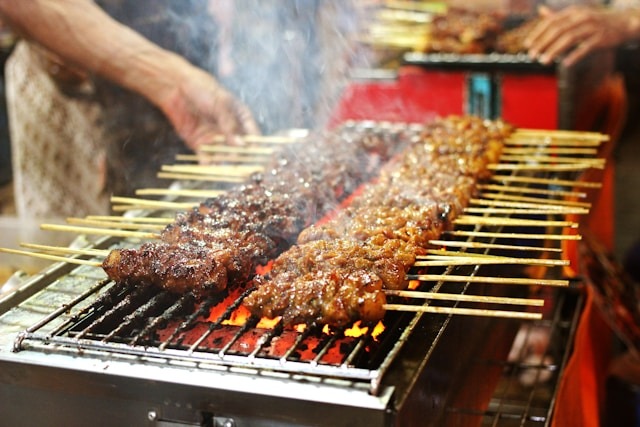
Travelers often dream of tasting authentic local food, only to find themselves eating overpriced meals designed for visitors.
Tourist-heavy areas tend to promote familiar dishes with inflated prices, which can make it harder to experience how locals actually eat. Discovering genuine food culture requires awareness, patience, and a willingness to look beyond obvious options.
Finding local food is less about avoiding tourists entirely and more about understanding how residents choose where to eat. Small habits and observations can guide travelers toward more meaningful dining experiences.
Learning How Locals Choose Where to Eat
One of the most effective ways to find authentic food is by observing local behavior. Restaurants filled with residents, especially during typical meal hours, are often more reliable than places aggressively advertising to passersby. Locals usually prioritize consistency and value over novelty.
Many travelers document their experiences using tools like vlogging cameras, especially when exploring food culture in unfamiliar places. While recording can be enjoyable, paying attention to how locals interact with food spaces often provides more insight than online reviews alone.
Watching where people line up or return regularly can be revealing. Repeated local patronage is often a stronger indicator of quality than signage or menu photos.
Moving Away From Tourist-Centered Areas
Tourist districts are designed for convenience, not authenticity. Restaurants in these areas often adapt menus and pricing to meet visitor expectations rather than local tastes. Stepping a few blocks away can dramatically change the dining landscape.
Residential neighborhoods tend to offer more traditional food at reasonable prices. These areas may not have English menus or flashy storefronts, but they often reflect everyday eating habits.
Walking slightly farther requires effort, but it usually leads to more rewarding meals. Distance from major attractions often correlates with authenticity.
Paying Attention to Menus and Pricing
Menus can reveal whether a restaurant caters primarily to tourists. Long menus with many international options may signal broad appeal rather than specialization. Local establishments often focus on a smaller number of dishes prepared consistently.
Pricing is another indicator. While local food is not always cheap, prices that seem disconnected from local income levels can suggest a tourist focus. Comparing prices across nearby venues helps establish context.
Language also matters. Menus written only in the local language often serve local customers, though this should not be treated as a strict rule.
Timing Meals Like a Local
Eating like a local means paying attention to timing. Restaurants that are empty during peak tourist hours may fill up later when residents eat. Aligning your schedule with local dining customs improves the chances of finding authentic food.
In many places, lunch and dinner times differ from what visitors expect. Observing when restaurants become busy can guide better decisions.
Patience is important here. Waiting until the right time can lead to fresher food and a more genuine atmosphere.
Asking the Right Questions
Locals are often willing to share food recommendations when approached respectfully. Asking where someone eats regularly is more effective than asking for the “best” restaurant. This phrasing invites personal insight rather than promotional answers.
Hotel staff, shop owners, and drivers can be valuable sources of information. Their daily routines often include reliable food stops.
Following multiple recommendations for the same place strengthens confidence. Patterns in suggestions matter more than single opinions.
Being Cautious With Online Reviews
Online reviews can be helpful but are not always reliable indicators of authenticity. Tourist-heavy restaurants often accumulate many reviews simply due to volume. High ratings do not necessarily reflect local approval.
Looking for reviews written by locals or long-term residents can provide a better perspective. Details about consistency and everyday dining are more meaningful than emotional reactions.
Reviews should be a starting point, not a final decision. Combining online research with observation leads to better outcomes.
Exploring Markets and Casual Food Spots
Markets, bakeries, and small food stalls often reflect local food culture more accurately than formal restaurants. These spaces serve people who eat there regularly, not just visitors. The food is usually tied to daily routines.
Casual settings also reduce pressure. Ordering is simpler, portions are familiar, and expectations are grounded in everyday life.
Local markets offer variety as well. They allow travelers to sample multiple items without committing to a single meal.
Accepting Imperfection and Experimentation
Not every attempt to eat locally will succeed. Some meals may be underwhelming, unfamiliar, or simply not to your taste. Accepting this uncertainty is part of the process.
Experimentation builds understanding. Each experience sharpens judgment and improves future choices.
Avoiding tourist traps is not about perfection. It is about learning through engagement rather than avoidance.
Finding Meaning Through Local Food Experiences
Discovering local food is ultimately about connection rather than optimization. Meals reflect culture, routine, and shared experience more than novelty. When travelers slow down and observe, food becomes a window into daily life.
By trusting observation over advertising, travelers can find meals that feel grounded and memorable. The reward is not just better food, but a deeper sense of place shaped by how people actually live and eat.