
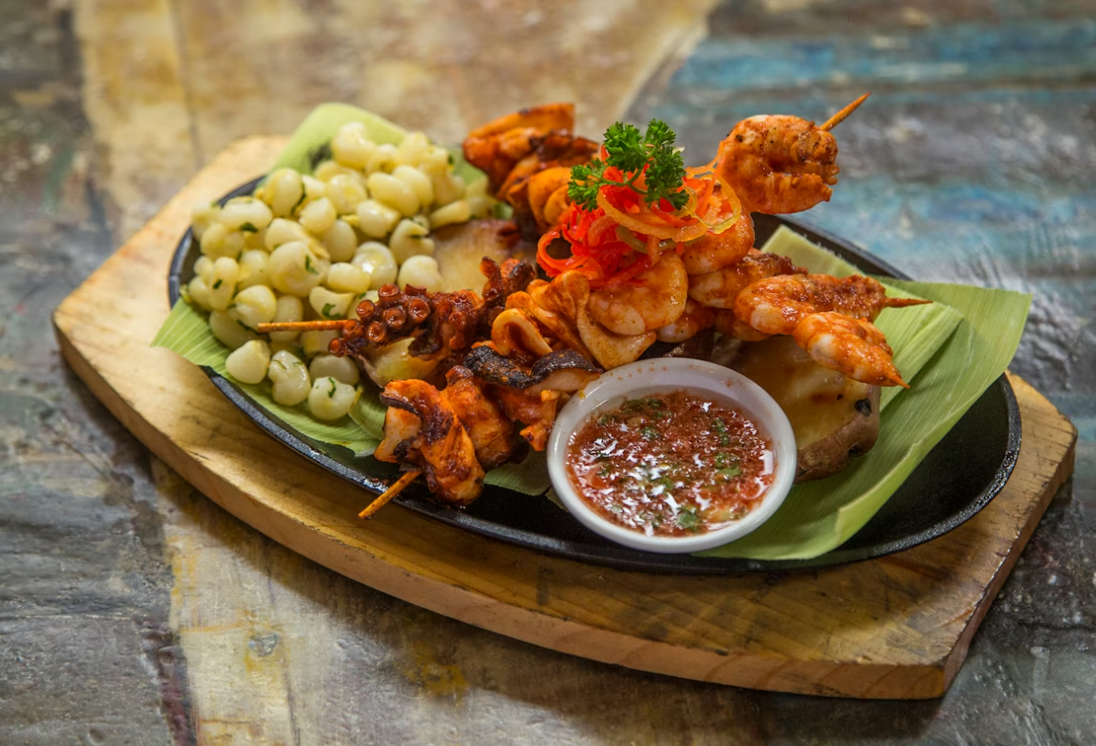
Peru’s culinary reputation is no longer a secret. With its dazzling biodiversity, rich cultural fusion, and centuries-old cooking traditions, the country has emerged as a global gastronomic destination that makes trips to Peru even more special.
From coastal cevicherías to highland picanterías, Peru’s food cities offer a bounty of flavors that reflect the soul of the land and its inhabitants. Here’s a journey through the best culinary cities in Peru—each with its own signature dishes, culinary rituals, and memorable tastes.
Lima
Lima is the epicenter of Peruvian cuisine. In fact, it’s recognized by Condé Nast Traveler as one of the world’s top three food cities. The capital blends European, Indigenous, African, and Asian influences into a vibrant culinary smorgasbord. Its coastal location gives Lima access to fresh seafood, which forms the basis of its most iconic dish: ceviche. Marinated in lime juice, spiced with ají limo, and served with crunchy corn and sweet potato, ceviche here is a revelation.
But Lima’s culinary scene extends far beyond ceviche. In the bohemian district of Barranco, you’ll find Isolina, a taberna that celebrates hearty Creole dishes such as seco de res and tacu-tacu. In upscale Miraflores, two restaurants—Central and Maido—offer avant-garde tasting menus that reimagine Peruvian ingredients with mind-blowing creativity. It’s no wonder they’re ranked as among the world’s best.
Street food lovers will enjoy Lima’s bustling night markets. They can indulge in deliciousness like butifarras (ham sandwiches with salsa criolla) and anticuchos (grilled beef heart skewers). Lima is also the birthplace of chifa, a unique Peruvian Chinese fusion cuisine. At Gran Chifa Chun Yion, crispy wontons and stir-fried noodles are served with a distinctly Peruvian flair.
Whether you’re dining in a Michelin-starred restaurant or grabbing a sandwich from a street cart, Lima delivers a culinary experience that’s both sophisticated and deeply rooted in tradition.
Arequipa
Dubbed the “White City” for its gleaming sillar stone architecture, Arequipa features food that is anything but pale. Nestled beneath snow-capped volcanoes, the city offers bold, spicy, and deeply regional cuisine, shaped by Spanish and Andean influence.
Signature local favorites include rocoto relleno (spicy stuffed pepper), ocopa (potatoes in peanut sauce), and adobo arequipeño (pork stew marinated in chicha and spices). Traditional eateries—picanterias—serve up rustic dishes in communal settings. Expect clay pots, wood-fired ovens, and recipes passed down for generations.
Dessert? Don’t miss queso helado—a cinnamon-laced frozen treat that resembles cheese but is really a creamy ice cream.
Cusco
The former capital of the Inca Empire, Cusco offers a culinary experience rooted in history and altitude. At over 11,000 feet, the city’s food is hearty, earthy, and deeply rooted in Indigenous traditions. Cusco’s cuisine reflects the highland lifestyle—simple ingredients transformed through time-honored techniques such as stone grinding and clay pot cooking.
Five-star restaurants such as Kusykay and Yaku feature signature dishes including cuy chactado (fried guinea pig), rocoto relleno (stuffed spicy pepper), and chuño (freeze-dried potato). Quinotto—a quinoa-based risotto—is a modern twist on ancient grains.
Beyond restaurants, San Pedro Market is a veritable treasure trove of Andean street food, cheeses, and produce. Its tamales are unparalleled and be sure to try choco con queso (giant corn with cheese).
Iquitos
Accessible only by boat or plane, Iquitos offers a taste of the jungle—exotic, earthy, and unlike anything else in Peru.
Signature menu ingredients include yuca, plaintains, paiche and other river fish, and tropical fruits like aguaje and camu camu. You’ll find dishes such as juane (rice and chicken wrapped in bijao leaves), tacacho con cecina (mashed plantains with smoked pork), and inchicapi (peanut soup with chicken and cilantro).
Dining in Iquitos is immersive. Meals are commonly cooked over open fires, served in leaf parcels, and accompanied by jungle rhythms. It’s an unforgettable culinary experience.
Trujillo
On Peru’s northern coast is Trujillo, known for its colonial charm and seafood-rich cuisine. It’s a city where the desert meets the ocean, with flavors that reflect that contrast.
Signature dishes in restaurants like El Rincon de Vallejo include shambar (a hearty soup with beans, wheat, and pork), ceviche norteño (spicier and more robust than Lima’s offerings), and cabrito con frijoles (goat stew with beans).
Trujillo’s bakeries are famous for alfajore and king kong—layered sweets filled with manjar blanco (dulce de leche).
Often paired with traditional marinera dancing and vibrant festivals, the culinary offerings add rhythm to every bite.
Chiclayo
Often overshadowed by its neighbors, Chiclayo is quite the hidden gem for food lovers.
In the city with pre-Columbian heritage and known for bold flavors, expect local offerings such as Arroz con pato (duck with rice), seco de cabrito (goat stew), and chirimoya mousse. Central to Chiclayo’s culinary tradition is chicha de jora, a fermented corn drink that’s often used in cooking.
Don’t forget to check out Mercado Modelo, a bustling hub where mysticism meets food. Here, shamans, herbalists, and cooks share the same sensory-rich space.
Puno
Perched on the shores of Lake Titicaca, Puno provides a special blend of highland and lake cuisine. It’s where trout meets quinoa, and simplicity describes offerings. You’ll find dishes such as trucha frita (fried trout), sopa de quinua, and papa a la huancaína (potatoes in creamy cheese sauce).
Puno’s cuisine reflects Aymara and Quechua traditions, often served during festivals such as the Virgen de la Candelaria. In almost every dish, expect lake fish, native potatoes, and Andean grains.
Trips to Peru and the country’s culinary cities are more than places to dine—they’re portals into history, culture, and identity. Each city offers a distinct flavor profile shaped by geography and tradition, and Indigenous roots, so pack your appetite and your curiosity for an unforgettable journey.