
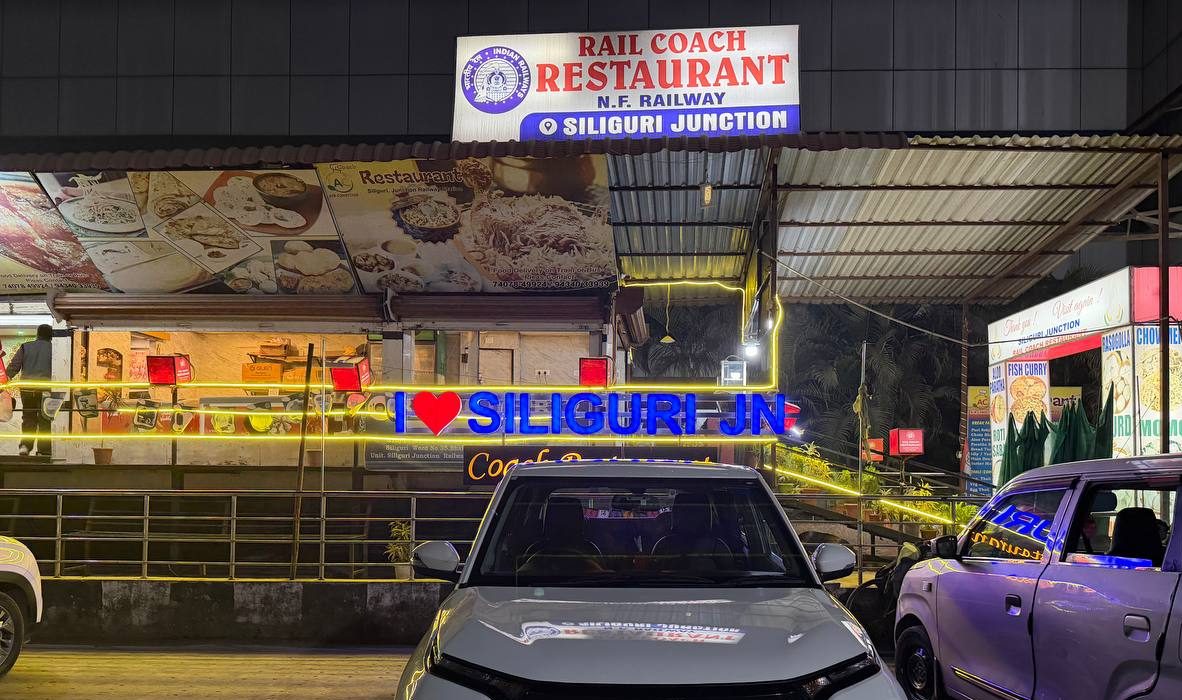
Hot, dirty, and full of poverty and squalor, Siliguri offers a grimy contrast to its neighbours in Sikkim and Darjeeling, ironically two of the cleanest places in all of India.
Quite the irony indeed, as Siliguri is quite literally one of the filthiest places in India, and easily the dirtiest in West Bengal. Aside from the train stations connecting the rest of India and the roads leading up to Sikkim, Darjeeling, and beyond, there is really nothing going on here.
Table of Contents
What the Siliguri?
Siliguri is a sprawling transport hub of around 500,000 people, crowded and poorly planned. Streets are clogged with rickshaws, buses, and trucks, dust and grime coating everything. Potholes, open drains, and piles of rubbish are everywhere, and air quality is terrible thanks to traffic and local industry. The city struggles with basic services, from water to waste disposal, making it a slog to navigate. It is functional only as a pit stop on the way to the hills.


Cleanliness and Poverty in Siliguri
Poverty is visible everywhere. People live in tiny, crumbling shacks, children play in mud and garbage. The rivers running through the city are thick with trash and sewage, reeking of chemicals and waste. Streets are lined with informal settlements and beggars, with stray animals scavenging through the mess. The filth is inescapable, making even a short walk an assault on the senses. Sanitation is minimal, and it’s obvious the municipal authorities do little beyond clearing main roads.


Crime in Siliguri
Crime in Siliguri is patchy but present. Petty theft, pickpocketing, and scams targeting travellers are common, particularly around the train station and main markets. According to the West Bengal Police, the city averages higher than state-average incidents of robbery and assault, though violent crime against tourists is rare. Still, women are advised to avoid walking alone, and visitors should be cautious when moving through crowded or poorly lit areas.
The markets for miles around also offer a stream of very low-end brothels. They are grim and unsafe, amplifying the poverty and overall filth of the city. It is not safe for a woman to wander around Siliguri unaccompanied.
Eating and Drinking in Siliguri
There are a few restaurants that look passable, but even the “high-end” places rarely appear clean. Street food is better, relatively speaking. I survived a few plates, though others in my group got the shits. Nothing here is pristine, but the local flavours do shine through if you are careful.
Bars are worse, mostly overpriced joints where people with big wallets bring women home. It reminded me of Kathmandu: grimy, overpriced, and uncomfortable. Not somewhere you go for a good night out unless you really have no choice.


Sleeping in Siliguri
I wanted to stay near the train station, so I picked a slightly more expensive hotel hoping for a clean experience. It was a scam. The photos were fake, rooms dirty, and my balcony didn’t even have a lock. I had to carry my passport around with me.
Other hotels were much the same. There are some higher-end brands in the city, but if you can afford them, you’re better off bypassing Siliguri entirely. The mid-range options are terrible, basic, and overpriced.


Plus Points about Siliguri?
Some of the food was OK, and the people who weren’t trying to rip me off were alright. The only real reason to come here is necessity: it’s a gateway to Darjeeling and Sikkim. And since those places are lovely, I was willing to endure the shitshow that is Siliguri.
Conclusion and Awards
Without doubt the worst city in West Bengal, one of the worst in India, and likely to win an award in 2026. Its proximity to Sikkim and Darjeeling, plus direct trains to Kolkata, New Delhi, and beyond, is the only reason it scrapes a 3/10 on the Shit Cities list.
Siliguri could be worse, but it could also be a shit ton better. Pun thoroughly intended.
Coming soon ShitCities website.