
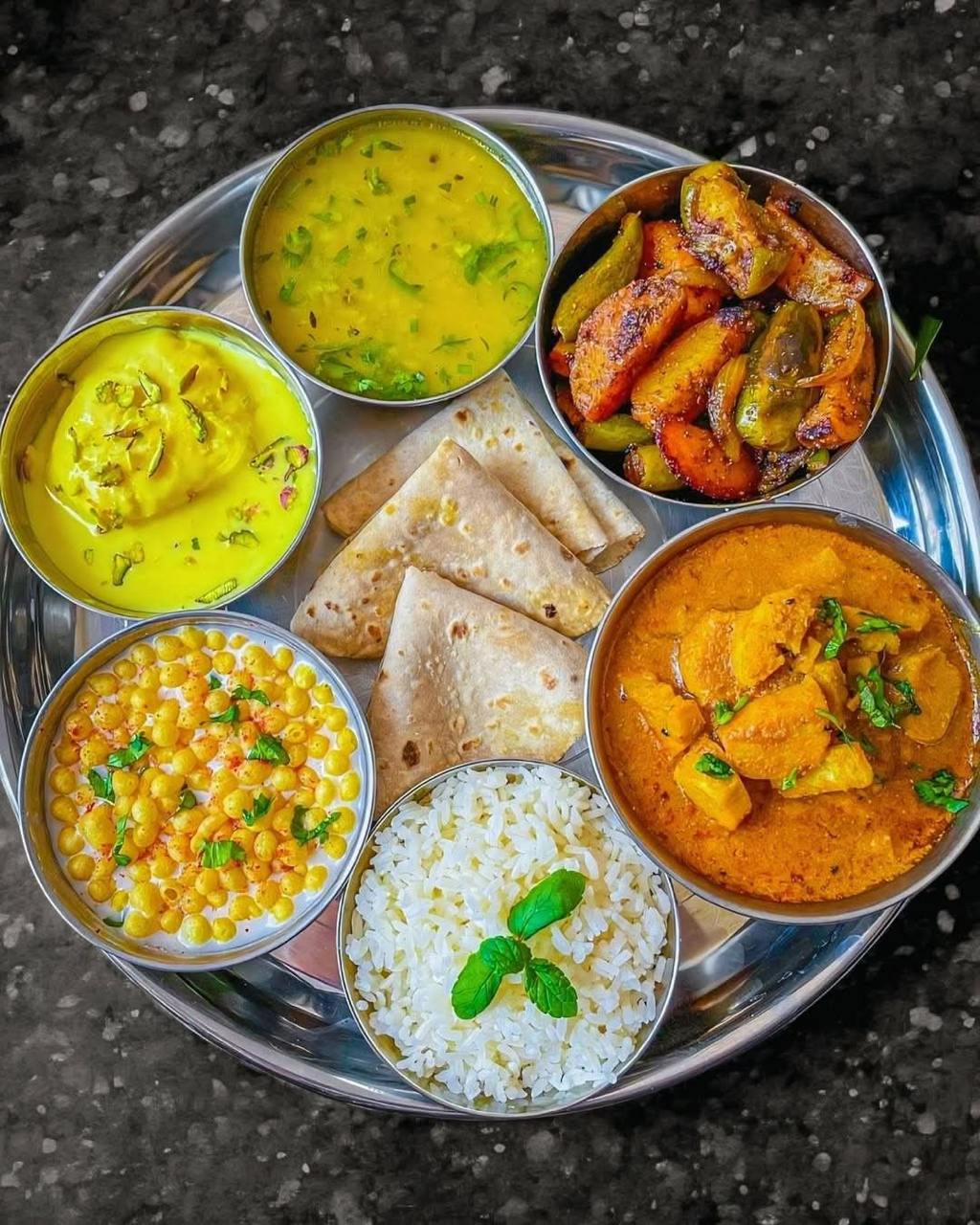
Talking about Indian cuisine is kind of one of those nonsensical things, in that there really is no such thing as Indian cuisine. Now before you get hung up on this, what I mean is that India is such a huge place with so many different foods that there is no real definitive Indian cuisine.
Yes there are Indian restaurants everywhere, and we mean everywhere, but they tend to be regionalized versions, usually trying to fit in with what the locals like. In England for example this means Bengali food with chips and Chicken Balti thrown in for good measure.
So what’s this article actually about? The sheer breadth of diversity that Indian cuisine offers, and why you should stop thinking of it as one thing and start treating it like a continent of food.
Click to read about the cuisine of Sikkim.
Table of Contents
The History and Concept of Indian Cuisine
Indian cooking developed over thousands of years through trade, invasion, religion and geography. The Mughals brought rich meat curries and biryanis. The Portuguese introduced chilli, potato and tomato. The British left behind railway food and questionable breakfast habits. Hinduism shaped vegetarian traditions, Islam influenced meat preparation, and Buddhism spread simple rice based dishes across the east.
Spices came via ancient trade routes, coconut dominates the south, wheat rules the north, and rice feeds the east. Every region cooks with what grows locally. Add caste systems, religious restrictions and colonial leftovers and you get a food culture that is layered, complex and wildly inconsistent.
Indian cuisine is not one thing. It is dozens of cuisines stitched together by borders and passports.

Main Regional Indian Cuisines
Every Indian state eats differently. Climate, religion and history all play a role. Here are the big hitters.
Punjabi Cuisine
Heavy, buttery, meat forward. Think tandoori chicken, dal makhani and paratha. Best eaten in Punjab or Delhi.

Bengali Cuisine
Fish, mustard oil and rice. Subtle spice and fermented flavours. Kolkata and Dhaka style food dominates Indian restaurants abroad.

South Indian Cuisine
Dosas, idli, sambhar and coconut based curries. Lighter, sharper flavours. Tamil Nadu, Kerala and Karnataka.

Rajasthani Cuisine
Desert food. Lots of dried ingredients, ghee and goat. Dal baati churma is the classic.

Gujarati Cuisine
Mostly vegetarian with sweet notes in savoury dishes. Thali culture rules here.

Hyderabadi Cuisine
Muslim influenced royal food. Famous for biryani and slow cooked meat dishes.

Goan Cuisine
Portuguese legacy. Pork, vinegar and seafood dominate. Vindaloo comes from here.

Kashmiri Cuisine
Rich meat curries cooked without tomato or chilli. Wazwan feasts are legendary.

North Eastern Cuisine
Wild herbs, fermented bamboo and smoked meat. Totally different from the rest of India. Nagaland and Meghalaya are standouts.

Top 11 Indian Foods to Try
If you’re serious about Indian food, start here.
11. Pav Bhaji (Mumbai)
Spiced mashed vegetables with buttered bread rolls. Street food staple.

10. Masala Dosa (South India)
Crispy rice pancake filled with potato masala. Best in Chennai or Bangalore.

9. Rogan Josh (Kashmir)
Slow cooked lamb in aromatic gravy. Eat this in Srinagar.

8. Vada Pav (Mumbai)
Deep fried potato burger. India’s answer to fast food.

7. Chole Bhature (Delhi)
Spicy chickpeas with deep fried bread. Pure carb chaos.
6. Goan Fish Curry (Goa)
Tangy coconut gravy with fresh catch. Beach food done right.

5. Butter Chicken (Delhi)
Yes it’s touristy but done properly it slaps. Old Delhi is king.

4. Hyderabadi Biryani (Hyderabad)
Layered rice and meat cooked sealed. Accept no substitutes.
3. Kosha Mangsho (Kolkata)
Slow cooked goat curry. Thick, spicy and serious.

2. Thali (Anywhere)
A full regional meal on one plate. Best way to understand local cuisine fast.
1. Street Chaat (Varanasi or Delhi)
Sour, sweet, spicy snacks eaten standing up. This is India in edible form.

Indian Street Food
Street food is where India makes sense. Cheap, chaotic and brilliant. Every city has its own style, usually cooked inches from traffic and served on newspaper. Hygiene varies wildly but flavour never does. Eat where locals queue, avoid empty stalls, and don’t drink tap water. Street food isn’t a novelty here, it’s daily life.
Pani Puri (Nationwide)
Crispy shells filled with spiced water. Try in Mumbai.

Kathi Rolls (Kolkata)
Paratha wrapped around meat or egg. Park Street is ground zero.

Samosa (Everywhere)
Deep fried pastry bombs. Eat fresh or don’t bother.

Aloo Tikki (Delhi)
Spiced potato patties with chutney.

Litti Chokha (Bihar)
Stuffed wheat balls with mashed veg. Regional classic.

Egg Roll (Kolkata)
Greasy, glorious late night food.
Bhutta (Nationwide)
Charcoal grilled corn rubbed with chilli and lime.

Drinking in India
Drinking in India is weird. Public booze is frowned upon, but weddings involve enough whisky to kill a horse. Men drink quietly, often behind closed doors, while beer is slowly becoming acceptable among younger crowds. Indian whisky dominates the market, mostly because import taxes are insane. Beer is basic but improving.
Rooftop bars exist in big cities. Small towns drink in back rooms.
Click to read about Taste Atlas’s take on the best cuisines in the world.
Top Drinks to Try in India
Old Monk Rum
Cult classic. Available everywhere.
Kingfisher Beer
Standard lager. Cold is all that matters.

Bira 91
Modern craft beer brand found in cities.

Amrut Whisky
India’s best export. Surprisingly good.

Feni (Goa)
Cashew or coconut spirit. Rough but authentic.

Masala Chai
Spiced tea. Drunk constantly.

Lassi (Punjab)
Thick yogurt drink. Sweet or salty.

Conclusion
Basically if you think that you know Indian Cuisine the reality is that you probably do not! And that is because it is just so diverse particularly related to the different climates of the country.
Therefore and at least in our opinion you should just go for it awn you visit India, as it truly is one of the best ways too understand the country.
Click to check our websites International Tours.