
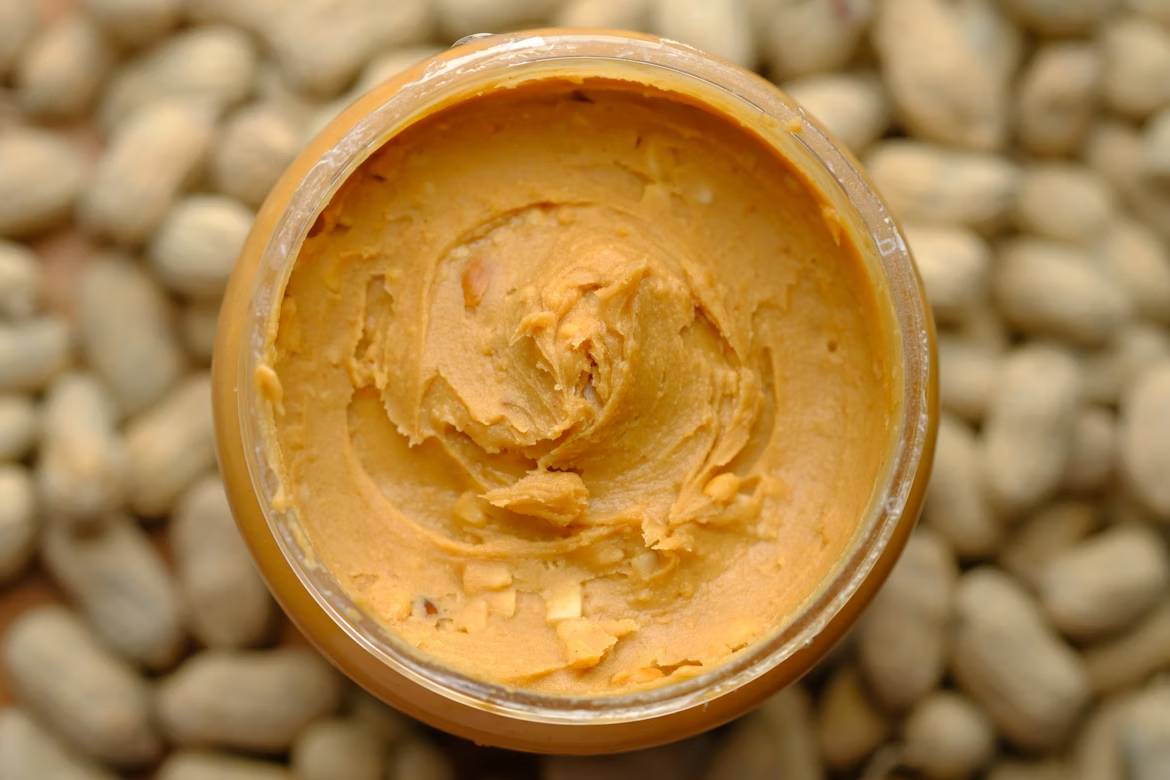
Peanut butter occupies a strange space in the culinary world. To some, it resides strictly in a pantry jar, destined for school lunches. To others, it is the soul of a vibrant night market. While we often view it as a domestic staple, its global journey suggests it has every right to claim the title of “street food.”
The Roots: Where did Peanut Butter Come From?
To understand the spread, we must look at the source. Peanuts do not hail from Virginia or Georgia; they originate in South America. Ancient Aztecs and Incas mashed roasted peanuts into a paste centuries ago. However, the modern version we recognize today emerged in the late 19th century.
In the 1880s, Dr. John Harvey Kellogg (yes, the cereal man) patented a process for peanut butter as a protein substitute for those who could not chew meat. Shortly after, George Washington Carver revolutionized peanut cultivation in the American South, though he didn’t technically invent the butter itself.
Global Footprints: Consumption and Style
Peanut butter transcends borders, though its form changes once it hits the pavement.
| Region | Usage Context | Consumption Rate | Description |
| United States | Household Staple / Snacks | Highest in the world | Americans consume roughly 700 million pounds annually. It appears in street festivals as “Deep Fried PB&J.” |
| Netherlands | Pindakaas | Very High | The Dutch love their “peanut cheese.” You’ll find it drizzled over fries (Patat Oorlog) at street stalls. |
| West Africa | Soups and Stews | High | Used as a thickener for Maafe. It’s a common base for roadside stews in Mali and Senegal. |
| Philippines | Kare-Kare | Moderate | A vital street food component for savory peanut-based ox-tail stews sold by sidewalk vendors. |
Cultural Nuances: Translation and Taste
● Peanut Butter in French: Known as beurre de cacahuète. While France traditionally stuck to jams and chocolate spreads, peanut butter gained ground in Parisian health shops and American-style bakeries.
● Japanese Peanut Butter: In Japan, the texture differs. It often appears as Peanut Whip, a light, airy, and sweetened version used inside fluffy shokupan (milk bread) sold at convenience stores and train station kiosks.
Different Types of Peanut Butter
The debate over texture is as old as the paste itself:
- Creamy: Perfectly smooth, ideal for sauces and dressings.
- Crunchy: Contains fragmented nut bits for texture.
- Natural: Just peanuts and salt; the oil separates and sits at the top.
- Flavored: Infusions of honey, maple, or chocolate.
Delicious Recipes for Every Meal
If you want to treat peanut butter like a street food pro, move beyond the sandwich.
● Breakfast: Swirl a tablespoon into steel-cut oats with sliced bananas.
● Lunch: Whisk with lime juice, soy sauce, and chili flakes to create a Thai Satay sauce for grilled chicken skewers.
● Dinner: Stir into a spicy sweet potato stew for a West African-inspired feast.
● Snack: Spread on crisp apple slices with a dash of cinnamon.
The Verdict
So, is it street food? When you walk through a market in Bangkok and smell peanut sauce hit a hot grill, or grab a peanut-filled crepe in a busy Taipei alley, the answer is a resounding yes. It is a portable, high energy, and versatile marvel that belongs to the world.