
Have you ever looked around a packed beach or a crowded museum and thought, “Maybe I need to be somewhere no one else is”? You’re not alone. In recent years, more travelers are ditching bucket-list cities for places that barely show up on a map. Whether it’s a desert outpost in California or a remote village overseas, these hidden spots are quickly becoming the vacation of choice for people craving something quieter, more authentic, and—frankly—less annoying.
Burnout, Bandwidth, and the Urge to Disappear
The modern world is noisy. Between work emails that sneak into weekends and smartphones that never stop buzzing, people are looking for real escape, not just a different kind of busyness in another time zone. Travel used to be a reward; now it’s becoming a form of self-preservation. When even your vacation feels rushed, it might be time to go off the grid, and remote destinations deliver that rare thing—silence.
There’s also the fact that technology lets us be everywhere at once, but never truly in the moment. Ironically, it’s this digital overload that’s fueling the desire to unplug. Remote locations, where cell service disappears and Wi-Fi is laughable, offer a different kind of luxury: peace.
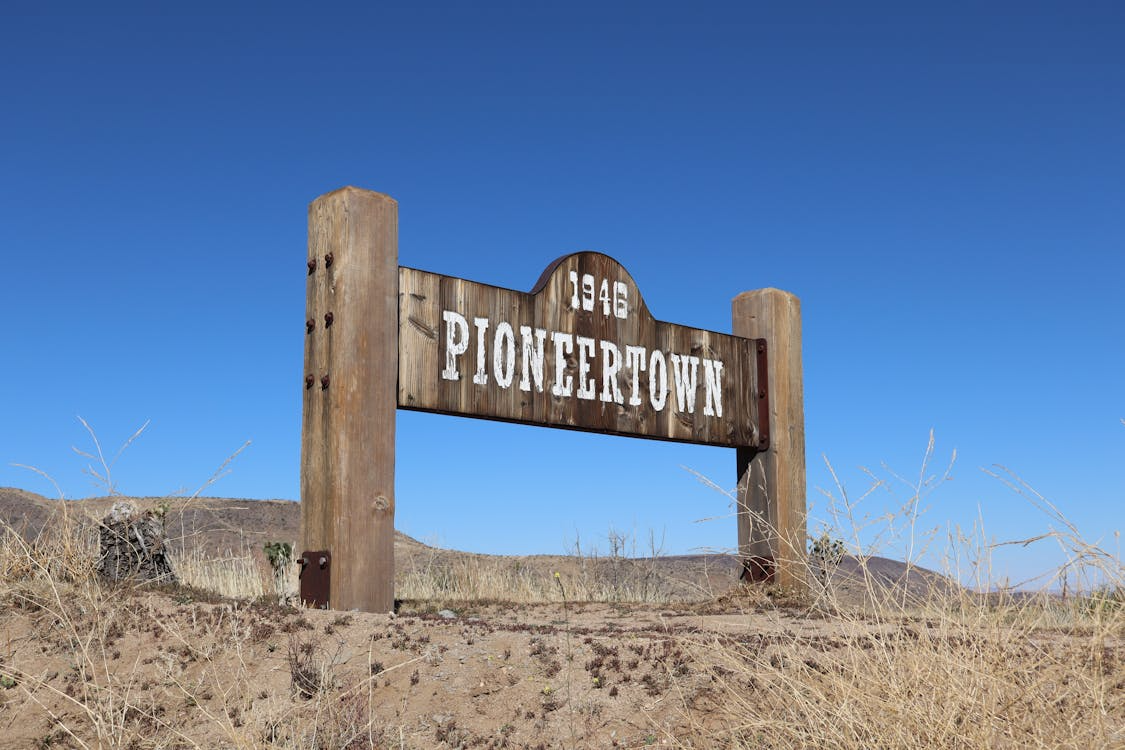
Some travelers are trading in the usual tourist trail for places like Pioneertown, a tiny Old West-style community tucked in California’s desert. Originally built as a movie set in the 1940s, it now attracts visitors with its rustic charm, live music, and sense of untouched Americana. You won’t find big hotel chains or ride-share apps here. What you will find is a town that invites slowness and lets visitors breathe without the pressure to constantly “do.”
Post-Pandemic Preferences Shift the Map
The pandemic didn’t just change how people travel—it changed why they travel. Health safety, personal space, and crowd avoidance became new priorities. Suddenly, the idea of standing in line with hundreds of people for a gondola ride in Venice lost its appeal. In contrast, hiking through open landscapes or renting a tiny cabin in the woods felt like a safer, smarter choice.
And that preference stuck. Even as travel restrictions lifted, the desire for secluded spaces didn’t fade. In fact, it’s now a trend. Glamping in Mongolia? Cabin stays in Patagonia? These used to be niche ideas—now they’re the dream. Travelers are finding joy in places that aren’t oversold or overly sanitized for the masses.
The Rise of the “Soft Adventure” Seeker
Adventure travel used to mean scaling mountains or sleeping in a tent with bears sniffing nearby. Today, it’s getting a softer, more accessible makeover. Remote destinations offer adventure, but on your terms. Want to kayak through Icelandic fjords and return to a heated yurt? Go for it. Hike through an empty national park with nothing but your own thoughts and a packed lunch? That counts too.
This shift reflects a broader change in values. People are more interested in meaningful experiences than in selfies at tourist traps. They want their vacations to feel like something they chose for themselves—not just what the internet told them to do.
Environmental Awareness Encourages a Slower Pace
Climate change has crept into the conversation around travel. As people become more environmentally conscious, they’re rethinking how and where they vacation. The fly-in-fly-out model of tourism is losing ground to slower, more intentional travel. That means staying longer in one place, visiting less-trafficked areas, and reducing the environmental footprint of a trip.
Remote destinations often align well with these values. Many small towns and far-flung locations depend on tourism, but not the mass-market kind. Travelers who visit these places tend to support local businesses, eat regionally grown food, and contribute to communities without overwhelming them. It’s a win-win.
Social Media’s Influence—With a Twist
Ironically, the same platform that helped popularize flashy, over-the-top vacations is now nudging people toward quieter corners of the world. Social media fatigue is real, and the once-coveted photo in front of a famous landmark has been replaced with posts about secret beaches or hidden forests.
Influencers now boast about “digital detoxes” and “slow living getaways,” and their followers are paying attention. A trip where your phone dies on day one used to be a nightmare. Now it sounds like paradise. Sharing less is becoming the new status symbol. Going somewhere few people have heard of adds to the mystique—and the envy.
Work-from-Anywhere Culture Makes It Possible
Remote work has done more than shift office culture; it’s also transformed travel. If you can take a Zoom call from a mountaintop lodge or check email from a beachside hut, why wouldn’t you? For many, the line between vacation and daily life is blurring. As long as there’s at least a café with semi-reliable internet, a remote destination is suddenly in play.
This freedom allows people to stay longer in places they love and explore regions that used to be out of reach for short-term trips. Nomadic lifestyles are becoming more normalized, especially among younger travelers who value flexibility over traditional routines. In a way, work has become the passport to places that were once reserved for retirees or explorers.
What It Says About Us
This move toward remote travel is more than just a trend. It reflects a cultural shift in how we relate to time, space, and even ourselves. We’re tired of rushing. We’re craving depth over spectacle. And in a world that often feels too crowded, too loud, and too fast, choosing the road less traveled is not just poetic—it’s practical.
There’s an honesty to remote places that cities can’t always match. They force us to slow down, look around, and really notice things: the way the light falls on an empty road, the smell of pine in the morning, the quiet satisfaction of being in a place that doesn’t need to impress you. These moments stick with us long after the trip is over.