
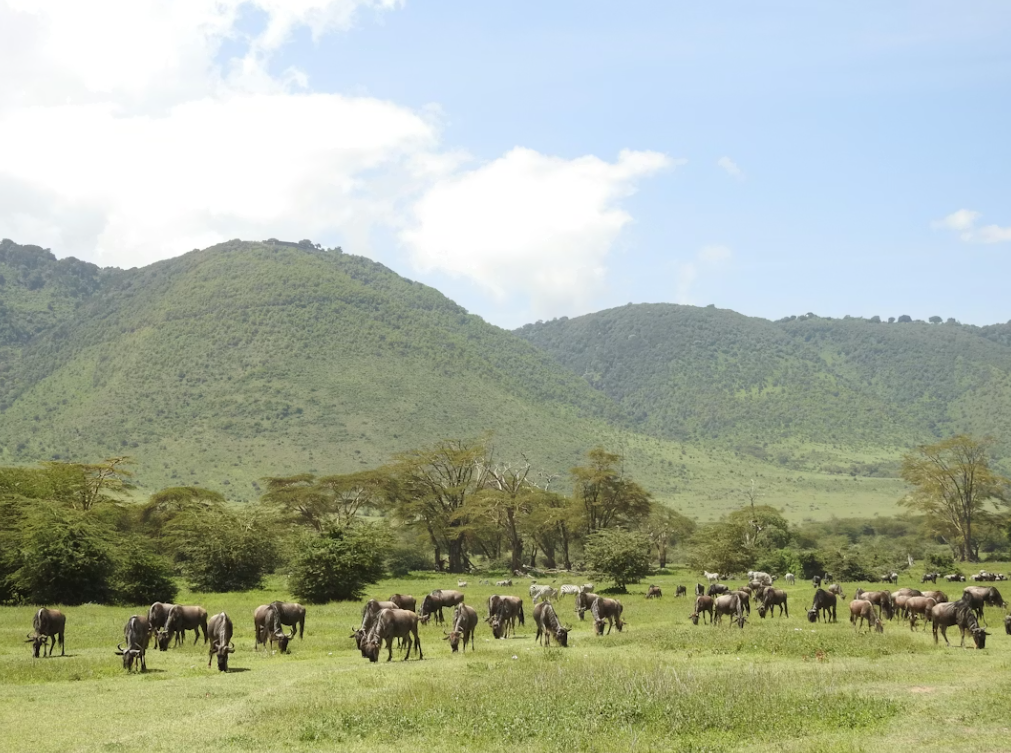
Tanzania, an East African gem, is often heralded as one of the foremost destinations for those fascinated by wildlife. Home to untouched landscapes and a wealth of biodiversity, the country offers unparalleled opportunities for animal lovers to immerse themselves in nature’s splendour. From the iconic Serengeti National Park to the beautifully diverse Ngorongoro Crater, Tanzania is a canvas painted with the rich hues of life.
In a world where nature often takes a backseat to urbanisation, Tanzania stands out as a sanctuary for endangered species and a testament to the wonders of the natural world. Tourists flock here not just for the thrill of seeing the “Big Five”—lions, elephants, buffalo, leopards, and rhinoceroses—but also to engage in unforgettable experiences that foster a deeper understanding of wildlife conservation. The grand spectacle of migration, where wildebeest and zebras thunder across the plains, is just one example of the unforgettable Tanzanian wildlife expeditions awaiting those who seek adventure.
The Serengeti: Nature’s Theatre
The Serengeti National Park is perhaps the most iconic symbol of Tanzania’s wildlife legacy. Spanning over 14,000 square kilometres, this vast expanse of savannah and woodland is alive with action year-round. Each zone within the park showcases a unique ecosystem, nurturing everything from giant baobab trees to the colourful avian species that flit about.
A highlight of any visit is the Great Migration, a humbling reminder of life’s cyclical nature. Between April and June, millions of wildebeest embark on this treacherous journey, navigating rivers teeming with crocodiles and predators lurking in the shadows. Observing this monumental migration is not just a visual feast; it offers insights into the ecological balance and the complex interrelationships within the animal kingdom. This is wildlife watching at its most poignant.
The Ngorongoro Crater: A Living Eden
After the Serengeti, the Ngorongoro Crater offers an entirely different yet equally thrilling experience. Often referred to as a “Garden of Eden,” this UNESCO World Heritage site is a caldera formed by a collapsed volcano, creating a perfect ecosystem for some of Africa’s most spectacular wildlife.
Within its 260 square kilometres, the crater houses around 25,000 large mammals, including an impressive population of black rhinos, lions, and elephants. The opportunity to see these magnificent creatures cohabiting in such proximity is rare and awe-inspiring. This diversity is supported by various habitats, from lush grasslands to a soda lake brimming with flamingos.
Conservation Efforts and Community Involvement
Tanzania’s commitment to conservation plays a critical role in maintaining the health of its ecosystems and wildlife. Various initiatives focus not only on preserving animal populations but also on involving local communities, who are often the guardians of these natural treasures.
Educational programmes and eco-tourism ventures empower locals, giving them a stake in conservation. By providing alternative livelihoods through tourism, communities are encouraged to protect their natural surroundings, reducing conflicts with wildlife and securing a future for endangered species.
A Cultural Mosaic
While Tanzania’s wildlife is undoubtedly its crowning jewel, the country is rich in cultural heritage as well. The Serengeti and Ngorongoro are not just wildlife sanctuaries; they are also home to the indigenous Maasai people. The Maasai, known for their distinctive attire and vibrant traditions, are deeply intertwined with the land and its animals. Engaging with this community offers a multi-layered understanding of the challenges and triumphs of coexisting with wildlife.
Cultural tours allow visitors to explore traditional practices, from intricate beadwork to time-honoured dances. This holistic engagement enhances the travel experience, encouraging animal lovers to think beyond just viewing wildlife to appreciating the broader ecological and cultural narratives.
The Challenges Ahead
Despite its breathtaking beauty and rich biodiversity, Tanzania faces pressing challenges in wildlife conservation. Issues such as poaching, habitat loss, and climate change threaten the very existence of many species. Awareness and advocacy are essential for safeguarding the future of wildlife.
Engaging in responsible tourism is a step in the right direction. Visitors can contribute to conservation efforts through guided tours that prioritise ethical practices, such as promoting sustainable lodging and supporting local economies. Each visit serves as a reminder that our species’ future is intertwined with the survival of wildlife.
Planning Your Expedition
If the allure of Tanzania has captivated you, planning your journey requires thoughtful consideration. The best time to visit depends on the experiences you seek. Each season offers unique opportunities, whether that’s witnessing the calving season in the Serengeti from January to March or exploring the lush landscape of the Ngorongoro Crater in the green season.
Choosing experienced guides for your excursions can greatly enhance your understanding and appreciation of the ecosystems you’ll encounter. Expert guides share stories, historical context, and ecological knowledge that enrich each sighting.
For those intrigued by unforgettable Tanzanian wildlife expeditions, consider exploring tailored tour options that highlight the best of what Tanzania has to offer. From bespoke safaris that focus on wildlife photography to immersive cultural experiences, there are myriad avenues for adventure awaiting your discovery.
In conclusion, Tanzania remains a bucket-list destination for animal lovers not just for its renowned wildlife but for the immersive experiences it offers. The landscapes, the culture, and the ongoing commitment to conservation weave together an intricate tapestry, inspiring awe and introspection among visitors. You’re not merely observing nature; you’re becoming part of a larger narrative, one that continues to be written every day in the heart of Tanzania.