
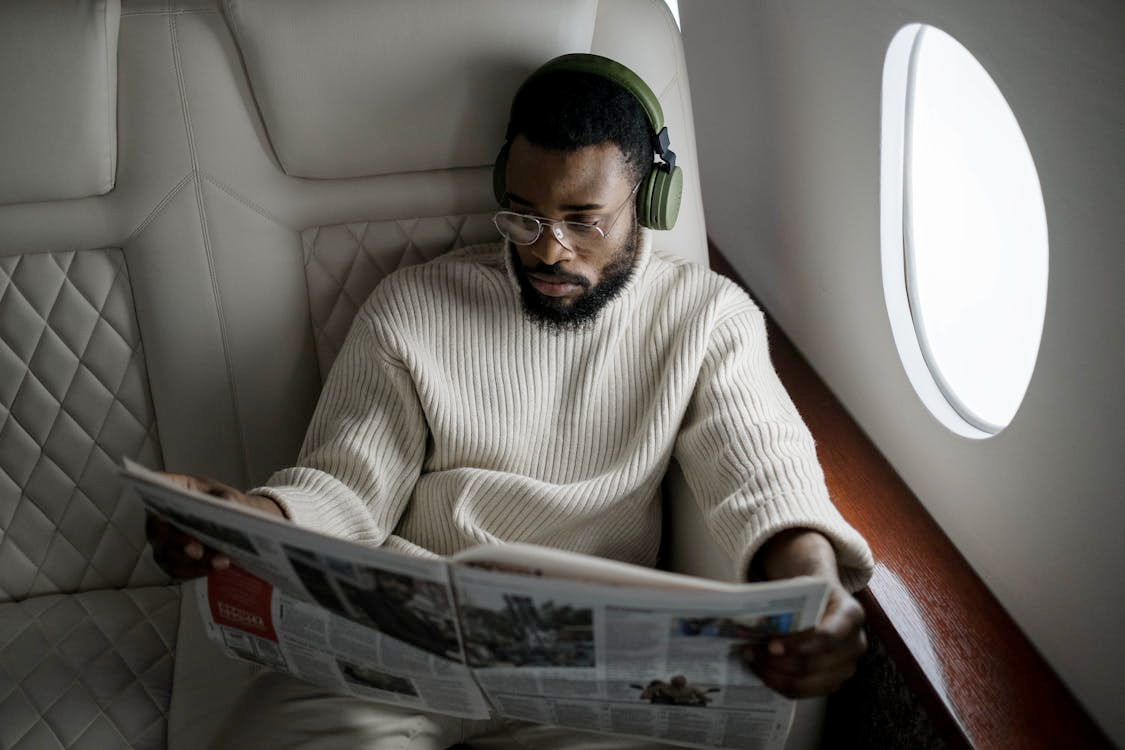
The way we travel has evolved dramatically over the past decade. Gone are the days when trips fell neatly into two categories: work or vacation. Today’s travelers are redefining the boundaries between business vs leisure travel, creating new opportunities and challenges for the industry. This transformation reflects broader societal shifts in how we perceive work-life balance, enabled by technological advances and changing corporate cultures that recognize employee wellbeing as essential to productivity.
What is Leisure Travel – Travel for Pleasure and Recreation
What is leisure travel? At its core, leisure travel is any trip taken primarily for enjoyment, relaxation, or personal enrichment rather than professional obligations. It’s the vacation you’ve been dreaming about, the weekend getaway that recharges your batteries, or the adventure that broadens your horizons.
Leisure travel encompasses a broad spectrum of experiences. Some travelers seek pure relaxation on tropical beaches, while others crave adrenaline-pumping adventures in remote mountains. Cultural enthusiasts might immerse themselves in historical sites and museums, while wellness travelers prioritize spa retreats and meditation centers. The common thread? Personal desires rather than work requirements drive these journeys.
The characteristics that define what leisure travel is include:
- Flexible scheduling – You choose when to depart and return based on personal preference, availability, and budget rather than meeting deadlines or attending mandatory conferences.
- Personal choice of destination – The world becomes your playground as you select locations based on interests, climate preferences, cultural attractions, or simply places you’ve always wanted to see. Family considerations, special events like festivals, or seasonal activities often influence these decisions.
- Focus on experiences and enjoyment – Every aspect of the trip centers on maximizing pleasure, whether that means adventure activities, cultural immersion, or simple relaxation.
- Self-funded or personally budgeted – Unlike business trips with corporate expense accounts, leisure travelers typically cover costs from personal savings, making budget considerations crucial. Many travelers save for months or years to afford their dream destinations, carefully allocating funds across transportation, accommodation, dining, and activities.
Leisure travel often requires more research and planning than business travel. Travelers spend hours reading reviews, comparing hotels, planning itineraries, and building excitement for their upcoming adventure.
Business vs Leisure Travel – Key Differences
Understanding business vs leisure travel requires examining several fundamental distinctions that affect everything from booking practices to in-destination behavior.
The most obvious difference lies in purpose and mindset. Business travelers are working, even when they’re in transit. They review presentations on flights, answer emails between meetings, and network during dinners. Leisure travelers are actively trying to disconnect from work responsibilities and immerse themselves in new experiences.
Key distinctions between business vs leisure travel include:
- Booking timeline and flexibility – Business trips often materialize with little notice, sometimes requiring departures within 24-48 hours. Leisure travelers typically book weeks or months in advance, allowing them to secure better rates. Business travelers need flexible tickets that accommodate meeting changes.
- Accommodation priorities – Business travelers value proximity to meeting venues, reliable WiFi, and functional workspaces. Leisure travelers prioritize comfort, amenities like pools and spas, attractive views, and proximity to tourist attractions.
- Expense management – Corporate travelers work within company policies, use corporate cards, and submit detailed expense reports. They’re less price-sensitive since employers cover costs. When booking business class flights, corporate policies may dictate eligibility based on flight duration, while leisure travelers might splurge on this upgrade as a special treat.
- Travel patterns and duration – Business trips tend to be shorter, often just two to four days. Leisure trips vary widely, from quick weekend escapes to extended multi-week adventures.
The hospitality and transportation industries have adapted to serve these distinct markets. Airlines offer separate booking tools for corporate travel, hotels create loyalty programs that appeal to frequent business travelers, and rental car companies establish corporate partnerships.
What is a Business Travel Agent – The Corporate Travel Specialist
What is a business travel agent? Unlike leisure travel advisors who help clients plan dream vacations, business travel agents are specialized professionals who manage corporate travel programs, ensuring compliance, cost control, and traveler safety for organizations.
These specialists operate within the corporate travel management ecosystem, serving as intermediaries between companies and travel suppliers. Their role extends far beyond simply booking flights and hotels.
What are a business travel agent’s primary responsibilities?:
- Corporate policy enforcement – They ensure all bookings comply with company travel policies, including approved airlines, hotel chains, spending limits, and booking windows. This prevents unauthorized expenses and maintains consistency.
- 24/7 support and crisis management – When flights cancel at midnight or medical emergencies occur abroad, business travel agents provide round-the-clock assistance. They rebook disrupted itineraries and coordinate emergency services.
- Cost optimization and negotiation – Through volume aggregation and supplier relationships, they secure discounted rates unavailable to individual bookers. They analyze spending patterns and negotiate corporate contracts.
- Reporting and analytics – They generate detailed reports on travel spending, patterns, and compliance rates. This data helps organizations identify cost-saving opportunities and make strategic decisions.
Business travel agents increasingly leverage technology platforms that integrate with corporate systems. The best agents understand that business and leisure travel increasingly overlap, helping companies develop bleisure policies that balance employee satisfaction with cost control.
Blended Travel – The Modern Fusion of Work and Pleasure
Blended travel, also known as bleisure, represents one of the most significant shifts in modern travel behavior. This trend combines business obligations with personal enjoyment, transforming mandatory work trips into opportunities for exploration and relaxation.
The concept is elegantly simple: extend a business trip by a few days to explore the destination, bring family members along to enjoy a location while you work, or schedule business meetings in desirable destinations. Blended travel allows professionals to visit places they might never choose for vacation while having the company subsidize transportation costs.
Why blended travel has gained tremendous popularity:
- Cost efficiency – When your employer covers the flight to Barcelona for a conference, adding a weekend stay costs only incremental hotel expenses and meals. This makes international travel financially accessible for professionals.
- Time optimization – Rather than dedicating separate weeks to business obligations and vacation, blended travelers combine both, effectively maximizing their travel time and experiences.
- Better work-life integration – Blended travel supports the modern philosophy of work-life integration rather than strict separation. It acknowledges that professionals can be productive while also enjoying personal enrichment.
- Enhanced employee satisfaction – Companies that encourage blended travel often see improved employee morale, reduced burnout, and increased retention. Employees appreciate the flexibility and perceive it as a valuable benefit.
Organizations are developing policies to support blended travel while maintaining appropriate boundaries. Some companies allow personal extensions using company-negotiated hotel rates, while others permit family members to join business trips at the employee’s expense.
The Rise of Mixing Business and Personal Travel
Mixing business and personal travel has evolved from an occasional practice to a widespread phenomenon reshaping corporate travel policies and traveler expectations. Multiple factors drive this trend, including changing workplace cultures, economic considerations, and technological enablement.
The remote work revolution accelerated this shift dramatically. When professionals discovered they could work effectively from anywhere, the traditional office-centric model crumbled. Technology enables seamless mixing of business and personal travel through cloud-based systems, video conferencing, and mobile connectivity.
Demographic shifts also fuel this trend. Younger professionals, particularly Millennials and Gen Z, prioritize experiences over material possessions and expect flexibility from employers. They view mixing business and personal travel as a non-negotiable benefit.
Economic factors make mixing business and personal travel attractive to both employees and employers:
- Reduced vacation day usage – Employees can experience new destinations without exhausting limited vacation allocations, essentially “borrowing” travel opportunities from business obligations.
- Lower personal travel costs – With employers covering airfare, personal costs decrease dramatically. A trip that might cost $2,000 in flights alone becomes accessible with only hotel and activity expenses.
- Employer benefits – Companies find that supporting blended travel improves recruitment and retention without high additional costs. The goodwill generated often exceeds the modest incremental expenses.
- Extended business opportunities – Personal time in business destinations allows professionals to deepen client relationships or better understand international markets through cultural immersion.
Forward-thinking companies establish clear policies governing mixing business and personal travel. These policies address liability questions, insurance coverage during personal extensions, expense reporting protocols, and approval processes.
The future promises even greater integration of business and leisure travel. As “workations” become normalized, destinations compete to attract remote workers. Cities worldwide are launching digital nomad visa programs, and hotels are redesigning spaces to accommodate long-term working travelers with enhanced connectivity and collaborative workspaces. Understanding the nuances of business vs leisure travel, the role of business travel agents, and emerging trends like blended travel empowers both travelers and organizations to make smarter decisions for maximum value, enjoyment, and productivity.