
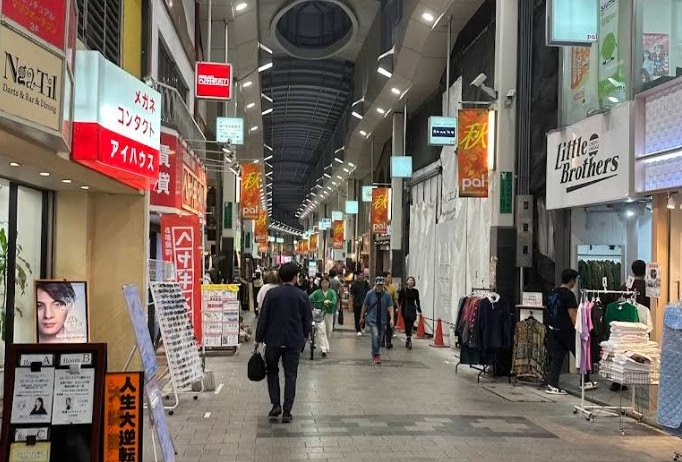
Whoever thinks of Tokyo, mostly thinks about Neon lights in in Shinjuku Kabukicho or the modern skyscrapers in Shibuya that appear in most Tokyo travel guides. But the most authentic part of Tokyo is not what you are thinking; it is Suginami City, which borders Nakano. The Soul of Tokyo, which smells like charcoal grill and fresh cold beer! This is the place where the best small restaurants in Tokyo are located. Welcome to Suginami-ku.
I personally lived six months during my Master’s degree in Ogikubo, and moved after to Koenji, where I am still living together with my fiancée. This time completely changed my view on the Japanese kitchen. In Suginami City, the goal is not fine food, it is Izakaya culture.
What exactly is an Izakaya?
The best description for an izakaya is probably “Japanese Drinking Pub”. But it is way more than a ordernary bar. It is a place where you gather together with friends or family, you order a lot of small dishes for sharing (similar to Tapas from Spain), and you drink together.
Before I introduce you to my favorites in Koenji, Asagaya, and Ogikubo, there are some unwritten laws that everyone should know before he visits an izakaya.
The Izakaya ABCs: Rules & Etiquette
- Minimum order: In almost every izakaya, there is a minimum order of one alcoholic drink per person. Sometimes you can also order non-alcoholic for a similar price.
- Otoshi & Table Charge: Don’t be surprised by a small table charge (mostly 400 to 600 yen) on top of the bill, which you did not order yourself. This is called Otoshi. It is a required table charge, for which you get a small starter (Appetizer). It is kind of the Japanese way of tipping the restaurant. A normal tip is not required in Japan, and a lot of people could react offended if you tip.
- The classic drinks: Sake is nice (originally called Nihonshu), a lot of Japanese drink mostly three things in izakayas:
- Beer: Mostly ice colde Saporo, Kirin, or Asahi.
- Highball: Whisky with Soda and a lot of ice. It’s fresh and has way fewer calories than beer. Give it a try.
- Lemon Sour: It is a mix of Sochu, soda, and fresh citrus juice. Mostly, they add something sweet inside. It is the perfect drink for women!
- Smoking: In a lot of izakayas, it is traditionally allowed to smoke inside. If you are annoyed by that, check it first.
- Izakaya-Hopping: Why stay a full evening at one place? In Suginami, it is normal to visit two or three izakayas in one evening. But be careful, you have to pay the table charge in the new shop again.
Why local shops instead of chains?
There are huge izakaya chains like Torikizoku; they are very cheap, and the food is always the same. This is amazing as a student, but if you want to find the real gems, you need to go to the local shops. The quality of the food is way better, and every place is special on its own. Yes, it is more expensive, but it is worth it.
Koenji: The beating heart of the subculture
From all locations in Tokyo, Koenji is my absolute favorite place and one of the most authentic neighborhoods in Tokyo. It’s raw, creative, and full of energy. HerThis is the real Japae you’ll find real life under and alongside the tracks of the Chuo Line.
1. Balitora (バリトラ)

If you visit this shop, you need to try their chicken wings. I would say they are one of the best in the world. The thing that makes them so special is that they are grilled over a charcoal grill, and they are very easy to eat. The wings are grilled on skewers, and the bones come off so easily that you don’t have to struggle with the food. Great food, good drinks – an absolute must.
2. Kaisen

This one here is my favorite seafood izakaya. My personal recommendations are the fresh oysters. But you have to come early in the evening here, or they are gone. My fiancée loves this place, especially since they also have an amazing wine selection. The otoshi is mostly shellfish.
3. Yakitori Taisho (2nd Branch) / やきとり大衆酒場 大将 2号店

This one here is a classical start in a Koenji night. Taisho is a legend, loud, cheap, and very authentic. The best thing is that here, you can sit at the tables outside on the street. This is not common in Japan and is very important for me as a Swiss person. You sit almost right next to the tracks, hear the trains rattling overhead, and feel the raw energy of the city. Order a mixed yakitori platter and a cold beer and watch the hustle and bustle of the neighborhood.
Asagaya: A walk into the depths of culinary arts
From the Koenji station, you only need about 15 mins to walk, and then you arrive in Asagaya. The path along the tracks is lined with small bars and cafes.
Tsurufuku (鶴ふく 阿佐ヶ谷店)

Asagaya is a bit more refined, but culinarily very exciting. Tsurufuku is famous for its nabe (stew), but the appetizers are the real stars.
- The adventure factor: For the adventurous, they offer raw chicken liver and incredibly tender baby beef tongue. These are delicacies you won’t soon forget.
- Drink recommendation: Be sure to try the Ichigo (Strawberry) Sour. Since fresh strawberry juice is very expensive in Japan, this drink is a rare and luxurious treat.
- Speciality: Unlike many other izakayas, Tsurufuku is child-friendly – a true rarity in Japanese drinking culture.
Ogikubo: A small but lovely area
Before moving to Koenji, I lived in Ogikubo. Although it’s a bit quieter, it’s a hidden gem for meat lovers.
Ogikubo Baniku Bar Kachiuma (荻窪 馬肉バル かち馬)

This charming shop specializes in basashi, raw horse meat. The owners are incredibly warm and welcoming, and the atmosphere is cozy and inviting. The thinly sliced meat is perfectly presented and incredibly fresh. For me, it’s one of the best places in all of Tokyo to enjoy this delicacy in a local, family setting.
Fazit
Suginami-ku isn’t a place for tourist checklists. It’s a place for explorers. Those who skip the cheap chains and venture into the small, smoky alleyways of Koenji or Asagaya will be rewarded with some of the best food and most genuine encounters Tokyo has to offer.
Whether you’re pulling the bones out of the chicken wings at Balitora or listening to the trains at Taisho, this is the real Japan. You can find more local food and travel stories on Max on the Move.