
You know the vibe of a packed night market. The smells alone make your mouth water. There is smoke billowing from a taco stand, grease bubbling under a churro cart, and a massive line for grilled oysters and ceviche.
Street food is elite, but it can be risky. A lukewarm samosa is just disappointing. Bad seafood? That is dangerous. Fish operates under its own rules. For street vendors, keeping track of temperature isn’t just about making good food. It is a vital safety line – the only thing separating a great foodie memory from a terrible night of food poisoning.
Here is a straightforward look at why temperature control matters more for seafood than any other street food – and how smart setups keep consumers safe.
The Cold Chain on Wheels: The Unique Vulnerability of Fish
Seafood spoils quickly. This is because fish and shellfish are cold-blooded animals. Unlike the bacteria found on warm-blooded animals such as chickens, seafood bacteria are adapted to cold environments. These bacteria can continue growing even under refrigeration. While chilling slows them down, it does not stop them as effectively. Once seafood reaches room temperature, bacterial growth accelerates rapidly. This creates a major challenge for street vendors, who must rely on ice and portable cooling methods rather than the walk-in freezers available to restaurants.
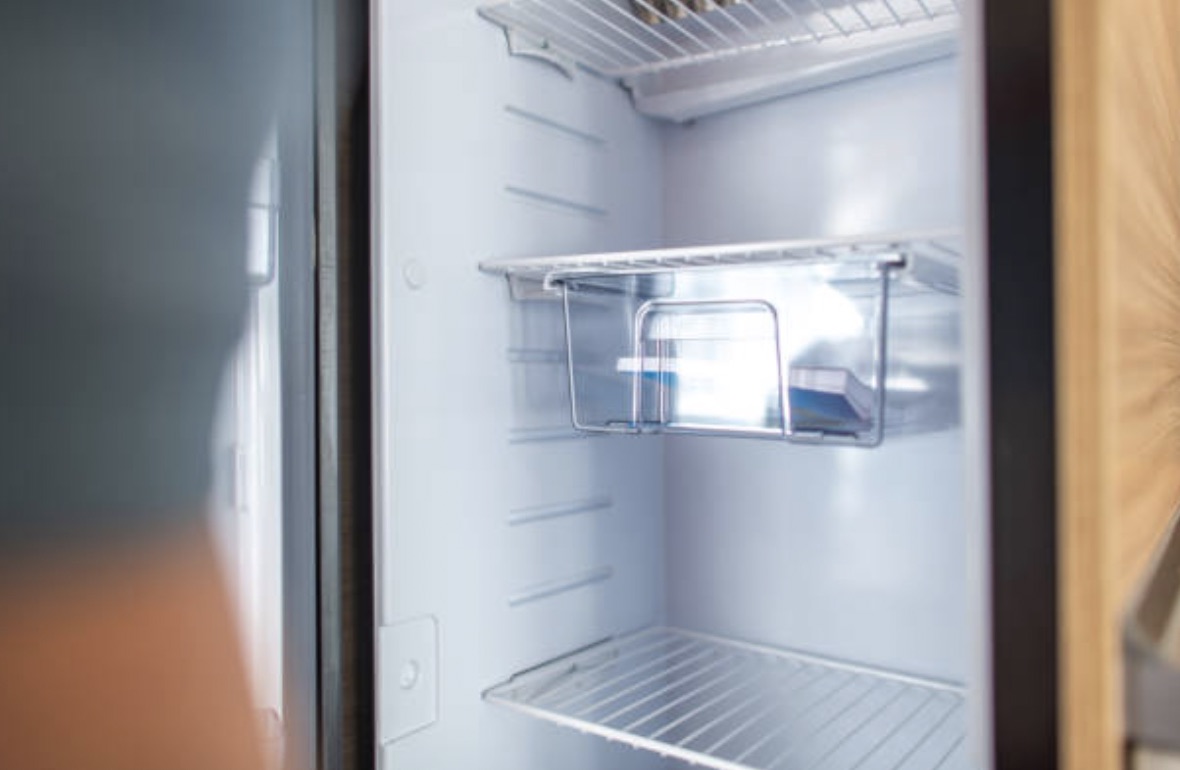
This is where mobile refrigeration becomes a game-changer. Many modern, high-volume seafood vendors now rely on small refrigerated cargo trailers. These are parked right behind their stalls. These compact, towable units provide a continuous, reliable power source. They keep fish stored safely below 40°F (4°C) up until the exact moment it hits the grill or the prep table. Without this level of consistent cooling, a hot summer afternoon can ruin a vendor’s entire inventory in just a couple of hours.
Histamine Poisoning: The Hidden Danger
When people think of bad seafood, they usually think of standard bacterial infections. But seafood introduces a completely different, invisible threat known as scombroid poisoning – or histamine poisoning.
Take fish like tuna, mackerel, mahi-mahi, or sardines. They are packed with an amino acid called histidine. If these fish sit out above 40°F after they are caught, trouble starts. Bacteria get to work and flip that histidine into histamine.
Here is the scary part: cooking does not destroy histamine.
If a vendor lets a piece of tuna bake in the sun, the histamine builds up fast. They can grill it perfectly to a safe temperature, but the toxin stays locked in. When you eat it, you get a nasty, allergic-like reaction – think rashes, sweating, headaches, and dizziness. The worst part? The fish looks and tastes completely fine. You just have to trust its temperature history.
Shellfish and the Filter-Feeding Risk
Shellfish like oysters, clams, and mussels present a different kind of temperature challenge. These creatures are filter feeders. They strain water through their bodies to eat, naturally concentrating whatever bacteria or viruses are present in their aquatic environment.
One of the most notorious bacteria found in warm coastal waters is Vibrio. If shellfish are kept warm after harvest, Vibrio bacteria can double in number in less than an hour.
Furthermore, in many places to eat, food dishes rely on “cooking” the seafood using raw lime juice. Examples include Mexican aguachile or Peruvian ceviche. The acid in the citrus juice changes the texture of the fish. It makes it look cooked. However, acid does not kill bacteria the way heat does.
For raw or lightly marinated street food dishes, the cold chain must remain completely unbroken. The seafood must be kept on a bed of constantly draining ice. It must also be shielded from the sun right up until it is served to the customer.
Why Land Meats are More Forgiving
To appreciate why seafood demands so much attention, it helps to compare it to other common street foods. Think of pork, beef, or starchy foods like rice and potatoes.
- Dense Proteins: A steak or a pork chop has a dense, tightly packed muscle structure. Bacteria generally live on the outside surface of the meat. When a street vendor throws a kebab onto a hot grill, the intense surface heat instantly kills those surface pathogens. This makes it relatively safe, even if the interior isn’t completely well-done. Fish flesh is much more delicate. It is loose and easily penetrated by bacteria.
- The Power of Frying: A lot of non-seafood street food is deeply fried. Sizzling hot oil usually sits around 350°F. This process is incredibly forgiving. It delivers an absolute thermal shock that eliminates standard bacteria almost instantly.
- Low-Risk Staples: Foods like roasted corn, fried churros, or soft pretzels have very low moisture levels. They also lack the specific proteins that bacteria need to thrive. This makes them far safer to leave at room temperature for extended periods.
Seafood simply does not give vendors this margin for error. A quick sear on a piece of fish might not be enough. That is especially true if the interior has been sitting in the “danger zone” (between 40°F and 140°F) for most of the afternoon.
How Smart Vendors Keep You Safe
The stakes are just too high for guesswork. Because of this, great seafood vendors stick to a few non-negotiable rules to keep everyone healthy:
- The Ice Blanket: Seafood should never just sit on a counter or a plastic tray. It needs to be buried deep in clean, crushed ice. Plus, that ice needs to drain constantly. Pool water is bad news – it easily spreads bacteria from one fish to the next.
- Fast Cooking, Faster Serving: The moment that fish leaves the ice, it should hit the fire. From there, it needs to go straight to your plate. Leaving cooked seafood under a heat lamp is a bad idea. Those lamps usually keep food lukewarm instead of piping hot, which just invites bacteria to grow.
- Zero Cross-Contamination: Raw shrimp and fish must stay completely away from cooked food. They also need their own dedicated cutting boards and knives – far away from the fresh veggies.
A Shared Responsibility
Street food is one of the joys of travel and community gatherings. Eating seafood in the open air is a wonderful tradition. However, the vendor must respect the science of temperature control.
As a consumer, you can easily spot a safe spot by looking for simple visual cues. Look for a heavy reliance on fresh ice, clean workspaces, high turnover, and food cooked to order. By understanding why temperature matters so much, we can appreciate the immense effort street vendors put into their work. They keep our favorite coastal bites safe, fresh, and delicious.