
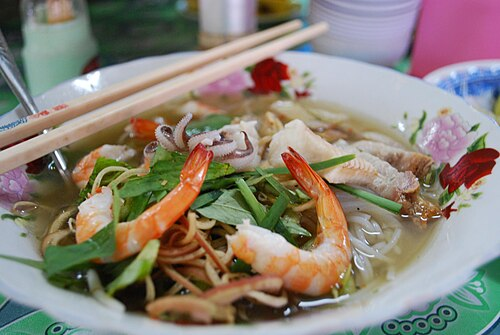
Croatia has a long coast, clear water, busy fish markets, and a strong food culture. Seafood is part of daily life in many towns, yet visitors can find it hard to tell which places serve a local meal. A good fish restaurant will usually keep the food simple, respect the catch, and let the taste of the Adriatic lead the plate.
Start With the Local Catch
Fresh seafood menus often change with the weather and the season. A strong local place may have a short list because the kitchen buys what fishers bring in that day. This is a good sign.
Ask what came in that morning. Staff should be able to name the fish and say how it will be cooked. Along the Croatian coast, you may see sea bass, sea bream, sardines, mackerel, squid, octopus, and shellfish. The choice will vary by town and time of year.
A large menu filled with every type of seafood can be less useful. Local kitchens often work with a small supply. Fresh food does not need a long list of sauces or side dishes.
Look for Simple Cooking
Croatian coastal cooking gives the main ingredient room to shine. Grilled fish often comes with olive oil, garlic, parsley, and lemon. It may be served with blitva, a mix of Swiss chard and potatoes.
This plain style can tell you a lot about quality. A skilled cook knows when to stop. The fish should taste clean and fresh. The skin may be crisp, while the meat stays soft and moist.
You may also find fish stew, black risotto, grilled squid, or octopus salad. Each dish has a place in local food culture. Ask how it is made. A clear answer can help you learn whether the dish follows local practice.
Visit the Market Before Lunch

A fish market is one of the best places to learn what is in season. Many Croatian coastal towns have a market near the old centre or port. Go early, when stalls have the best choice.
You do not need deep knowledge to spot useful clues. Look at which fish appear on many stalls. Notice what local buyers choose. Ask sellers which catch is common that week.
A market visit also gives context to restaurant menus. When the same fish appears at the market and on nearby menus, the meal is more likely to reflect the local supply.
Read the Menu With Care
Menus can reveal a lot before you sit down. Look for local names, clear cooking methods, and seasonal dishes. Some places list fish by weight, which is common for whole grilled fish. Staff should explain the price before cooking.
A menu that names the source of shellfish or the day’s catch can be helpful. You may see oysters from Ston, mussels from local farms, or fish from nearby waters. These details should feel natural and easy to confirm.
Photos on a menu are less important than clear food details. Focus on what the kitchen cooks and how the staff describe it.
Ask a Few Simple Questions
A short talk with the server can help you make a good choice. Ask what is fresh today, which fish is local, and how it is prepared. You can also ask which dish the kitchen is proud of.
Good staff will answer in a calm and direct way. They may suggest a fish based on size, taste, or cooking style. They should also explain the cost if the fish is sold by weight.
Trust clear answers. Be careful when every item is called fresh or local with no detail. A simple menu still needs clear facts.
Choose Places That Serve Local Diners
Busy streets near major sights can have good food, yet a quieter side street may offer a more local meal. Look at who is eating there. Local families, workers, and repeat guests often point to steady quality.
Opening hours can also offer a clue. Some coastal places close between lunch and dinner or take a break outside the main season. This often reflects local habits.
Online reviews can help, though recent comments matter most. Read for details about freshness, service, and value. A review that names a dish gives more insight than a broad score.
Learn the Main Coastal Dishes
Knowing a few dishes makes ordering easier. Grilled whole fish is a common choice. Black risotto gets its colour from cuttlefish ink and has a deep sea taste. Brudet is a fish stew, often served with polenta. Grilled squid may come with blitva or salad.
Octopus salad often includes onion, olive oil, herbs, and potatoes. Buzara is a cooking style used for shellfish, with garlic, wine, parsley, and breadcrumbs.
These dishes may change from one region to another. That local change is part of the appeal. The best meal often reflects the town, the season, and the cook.
Follow the Rhythm of the Coast

Timing can shape the meal. Lunch is often a good time for seafood, since the day’s catch may have arrived that morning. Dinner can still be excellent, though popular fish may sell out.
Weather also affects supply. Wind and rough water can keep small boats in port. A place that removes a dish when the catch is unavailable shows care.
Seafood culture in Croatia grows from the link between water, market, kitchen, and table. Travellers who pay attention to that rhythm can find meals with a true sense of place.
Enjoy the Meal Without Rushing
An authentic seafood meal is more than a checklist. Take time to ask questions, share a whole fish, and try a local side dish. Let the staff guide you when the daily catch is strong.
The best signs are often simple. Fresh fish, a clear menu, local ingredients, and honest service can lead you to a meal that feels tied to the Croatian coast.