
Street food has a particular kind of appeal. Food is cooked in front of you, aromas fill the air, and a relatively small number of ingredients can become something memorable in minutes. There is little room for unnecessary equipment or complicated presentation. The focus stays firmly on flavor and the cooking process.
That makes street food an interesting source of inspiration for home cooks. You do not need to recreate a night market in your kitchen, nor do you need specialist equipment for every dish. Instead, pay attention to the principles behind great street food: preparation, confident use of heat, contrasting flavors, efficient workspaces, and dishes that are enjoyable without being overly complicated.
Here are some lessons worth bringing home.
Good Preparation Makes Fast Cooking Possible
Watch food being prepared at a busy street stall and much of the hard work has already happened before an order is placed. Vegetables are chopped, sauces are ready, garnishes are within reach, and proteins may have been portioned or marinated beforehand.
Home cooks can use the same principle. Read the entire recipe before turning on the stove, then prepare ingredients according to how quickly the dish comes together.
This is particularly helpful for stir-fries, tacos, flatbreads, noodle dishes, and other meals where ingredients hit the heat in quick succession. There is little time to start slicing an onion when something else is already cooking.
Arrange ingredients in the order you will use them and keep frequently needed utensils nearby. A few minutes of preparation can make the actual cooking feel calmer and give you more control over timing.
Simple Food Still Needs Contrast
Street food demonstrates how much can happen within a seemingly straightforward dish. Something rich or fried might be served with a sharp pickle. Grilled meat can be finished with fresh herbs. A soft filling may sit inside something crisp, while a spicy sauce is balanced by a cooling topping.
That contrast is something home cooks can apply without following a specific cuisine or recipe.
If dinner tastes heavy, consider adding acidity rather than simply more salt. Lemon or lime juice, vinegar-based dressings, or pickled vegetables can bring freshness. If everything on the plate is soft, toasted nuts, raw vegetables, crispy onions, or another crunchy element can change the experience.
Temperature can create contrast too. A warm filling served with a fresh garnish gives each component a clearer role.
Rather than adding more and more ingredients, ask what the dish is missing. Sometimes one contrasting element does more than another handful of seasoning.
High-Heat Cooking Changes the Kitchen
Many street foods rely on cooking methods that are difficult to ignore. Grilling, frying, searing, and cooking in a hot wok can produce intense aromas, steam, smoke, and airborne grease.
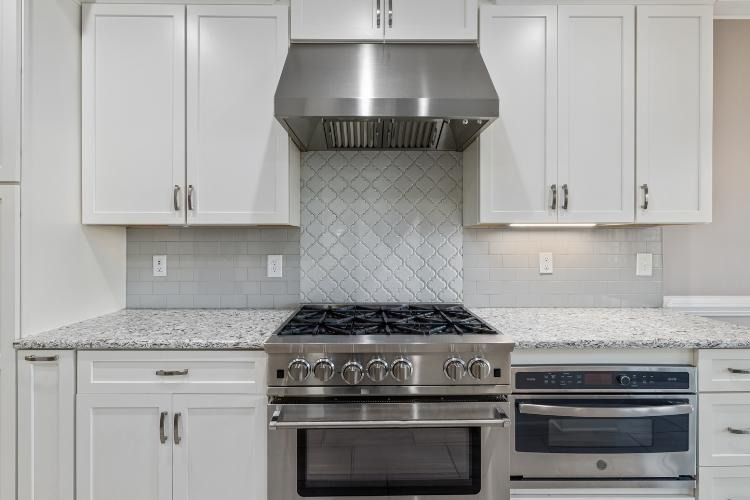
Trying similar techniques at home puts more demands on the cooking area. Ventilation becomes particularly important when high heat is part of your regular routine. Without it, the aroma of tonight’s dinner may still be noticeable in other rooms long after the plates have been cleared.
The range hood is therefore more than a decorative fixture, particularly for enthusiastic cooks. When planning a cooking area and researching ventilation options, World CopperSmith provides one example through its stainless range hood collection. Check them out if you prefer something unique too.
Whatever style of ventilation suits the room, think about it in relation to your habits. Someone regularly searing meat or frying at high temperatures may place different demands on a kitchen from somebody whose meals mostly simmer gently on the stove.
A Small, Organized Workspace Can Be Highly Effective
Street food vendors offer a useful reminder that an effective cooking space does not necessarily have to be enormous. What matters is having the right things in the right places.
Home kitchens can benefit from the same logic. Store knives close to the main chopping area and cookware near the stove. Keep the oils and seasonings you reach for most often somewhere convenient, rather than buried behind rarely used ingredients.
Countertops deserve similar attention. A large worktop is not particularly helpful if most of it is permanently occupied by appliances. If a machine is used once a month, storing it in a cabinet may give you more useful room for everyday cooking.
Try watching your own movements while making dinner. If you repeatedly cross the kitchen for the same utensils or ingredients, consider relocating them. Small changes to storage can make a kitchen feel much more efficient without altering its size.
Sauces and Condiments Can Do Much of the Work
One reason street food can deliver so much flavor quickly is the clever use of prepared sauces, condiments, pickles, and garnishes.
The same approach can rescue home cooking from repetition. A basic bowl of rice, vegetables, and protein can take on a different character depending on what accompanies it. Chili sauce, herb dressings, pickled onions, flavored oils, or a tangy yogurt sauce can all be prepared separately and added at the table.
Homemade condiments are also a useful way to experiment with flavors without committing an entire meal to an unfamiliar combination. Make a small amount first, taste it alongside different foods, and adjust from there.
Keep balance in mind. A powerful condiment should support the main ingredients rather than overwhelm them. Start with a little and add more if the dish needs it.
Final Thoughts
Street food offers plenty of inspiration beyond individual dishes. It shows what can happen when cooks prepare carefully, organize their workspace, use heat confidently, and build flavor through contrast rather than unnecessary complexity.
Try applying one of those ideas the next time you cook. Prepare everything before starting a fast-moving recipe, add something acidic to a rich meal, reorganize the utensils around your stove, or make a condiment that can transform several dinners during the week.
The goal is not to reproduce street food exactly at home. It is to learn from the practical thinking behind it. A more organized kitchen and a sharper understanding of flavor can make everyday cooking simpler, more flexible, and considerably more satisfying.