
There is something wonderfully satisfying about travelling without a strict plan. You arrive somewhere, wander around, follow a smell coming from a market stall and perhaps end up eating the best meal of the trip in a place you had never heard of before.
Some of the best travel memories happen exactly like that.
But not every experience works on spontaneity alone. Some things are tied to a particular season, location, weather window or availability. A food festival may only happen once a year. Wildlife follows its own rhythms. Remote islands can have limited transport. A great trekking route may require preparation, while scuba diving often depends on conditions, experience and what you actually want to see underwater.
Planning for these experiences does not have to make travel rigid. In many cases, it does the opposite. When you take care of the things that genuinely need organising, you have more freedom to enjoy everything else without constantly checking the clock.
The trick is knowing what deserves a plan and what is better left to chance.
Some experiences have a timetable of their own
Travel planning often begins with a destination. You decide where you want to go, book the flights and then work out what to do once you arrive.
For certain experiences, reversing that process can make more sense.
Perhaps you have always wanted to attend a particular food festival. Maybe seeing whales in the wild is high on your list. You could be interested in a specific hiking route, a seasonal cultural event or diving with a particular type of marine life.
In these cases, the experience should help determine when and where you travel.
Nature is particularly good at ignoring our calendars. Wildlife migrations, breeding seasons and marine conditions can all influence what you are likely to see. A destination that is spectacular at one time of year may offer a completely different experience several months later.
That does not mean a holiday needs to revolve around one activity. It simply means that if something is genuinely important to you, it is worth finding out when the conditions are most favourable before booking everything else.
Let food decide the destination
Food is perhaps one of the easiest ways to understand the value of planning around an experience.
You could visit a city because it looks interesting and then discover its food scene once you arrive. There is nothing wrong with that. In fact, it can be one of the pleasures of travelling.
But food can also be the reason you choose the destination in the first place.
Street food markets, regional specialities, harvest seasons and local festivals can all provide compelling reasons to travel somewhere at a particular time. A dish can taste very different when you are eating it where it originated, surrounded by the people and traditions that shaped it.
The same applies to food-focused travel more broadly. If you are travelling somewhere specifically to explore its markets or local cuisine, a little research before you go can help you understand where and when to find the experiences you are looking for.
The important thing is not to turn eating into another checklist.
You do not need to visit every famous restaurant or try every dish mentioned online. Knowing what you are interested in simply gives you a starting point, after which you can leave room for the unexpected.
That balance between intention and spontaneity is what makes food travel so enjoyable.
Wildlife is worth travelling at the right time for
Wildlife encounters are another experience that can be worth planning an entire trip around.
Seeing an animal in a zoo is predictable. Seeing it in the wild is not, and that uncertainty is part of the attraction.
If you have always wanted to see whales, for example, researching seasonal movements can help you choose a destination and travel period. The same applies to turtles, migratory birds and many marine species.
There are no guarantees. Even the best location and season cannot promise that an animal will appear exactly when you want it to. But travelling at the right time can give you a much better opportunity.
It also changes the way you think about the trip. Instead of simply asking which destination is beautiful, you start asking what is happening there at a particular time of year.
That can lead to some fascinating travel decisions.
A place that might not initially have been on your list suddenly becomes much more interesting because something extraordinary happens there for only a few weeks or months.
Remote destinations require a little more preparation
The further you move away from established tourist routes, the more useful advance planning becomes.
Remote destinations may have fewer flights, limited boat services, a smaller choice of accommodation or restrictions on visitor numbers. Even simple journeys can take longer than expected when there are several connections involved.
That does not mean every detail needs to be booked months in advance.
It means understanding the logistics before you arrive.
Find out how often transport operates. Check how long transfers take. Understand whether you need a local guide or special permission for particular areas. Give yourself some margin if the journey depends on weather.
The reward is often worth the extra effort.
Remote destinations can offer something that is increasingly difficult to find in popular tourist centres: space. There may be fewer crowds, a stronger sense of place and more opportunities to experience landscapes without constantly competing for the best viewpoint.
The planning is simply part of getting there.
Scuba diving is an experience worth planning around
Scuba diving is another activity where choosing the destination first and asking questions later can be a mistake.
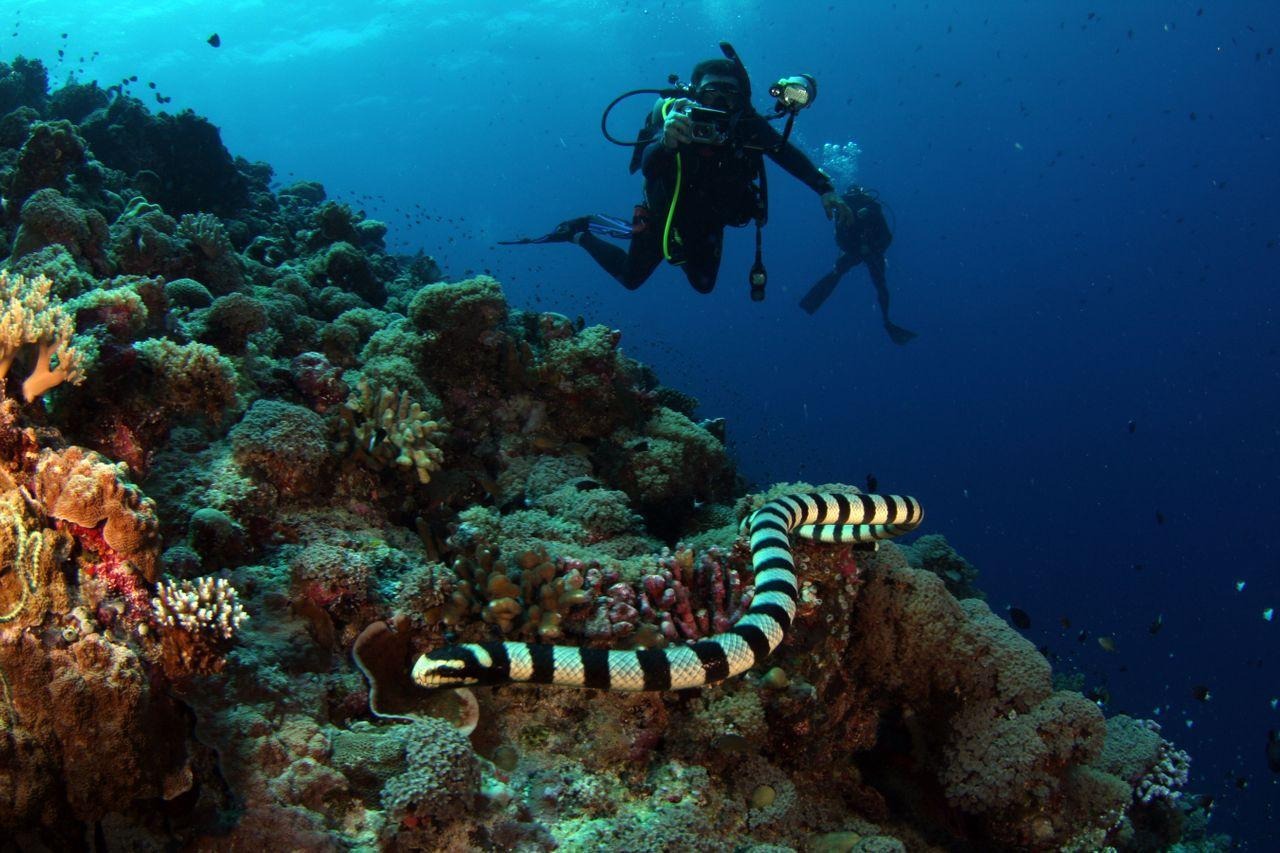
The underwater world varies enormously from one location to another. One destination may be known for colourful reefs, another for wrecks, while another might attract divers because of sharks, rays, schooling fish or other pelagic encounters.
Season matters too. Sea conditions, visibility, water temperature and marine life can all change throughout the year.
Your own experience level also matters. A dive that sounds spectacular on paper may not be appropriate for every diver, particularly when currents, depth or remote offshore locations are involved.
When scuba diving is one of the main reasons for taking a trip, specialist planning can therefore make a real difference. Original Diving helps travellers plan tailor-made diving holidays around the experiences and destinations that matter most to them, rather than treating diving as something to squeeze into an existing itinerary.
That approach makes sense when the diving itself is part of the reason for travelling. Instead of choosing a resort and then looking for a dive centre nearby, you can begin with the underwater experience you want and build the wider trip around it.
For some travellers, that might mean choosing a destination because of a particular marine species. For others, it could mean finding a combination of diving and land-based experiences that makes the journey worthwhile beyond the time spent underwater.
The key is to make the diving part of the travel experience rather than an afterthought.
Plan the important parts, not every minute
There is a big difference between planning a trip and planning every minute of a trip.
The first can make travel easier.
The second can make it exhausting.
If a particular food festival is the reason you are travelling, book it. If a remote island has only a few accommodation options, secure somewhere to stay. If a diving trip needs to be arranged in advance, take care of it.
Then stop planning for a while.
Leave afternoons free. Give yourself time to eat somewhere you discover by accident. Take a longer walk. Sit in a café. Follow a recommendation from someone you meet.
A good itinerary should create opportunities rather than remove them.
This is particularly important when several experiences compete for your attention. If every morning and afternoon has already been allocated, there is no room to change your mind.
And changing your mind is often one of the best parts of travelling.
Build flexibility into the itinerary
Even the best planning cannot control everything.
A flight may be delayed. Weather may affect a boat trip. A restaurant might unexpectedly close. A hiking route could become unsuitable. A diving session may need to move because conditions have changed.
The easiest way to deal with these situations is to avoid building an itinerary with no room for error.
If possible, leave a spare day or two during a longer trip. Avoid scheduling the most important experience immediately before your flight home. If something depends heavily on weather, have an alternative activity in mind.
Flexibility does not mean lowering your expectations.
It means recognising that travel takes place in the real world.
In fact, having a little space in the itinerary can make unexpected changes much easier to accept. If your afternoon is completely free, a cancelled morning excursion is an inconvenience. If every hour is booked, it can feel like the entire trip has fallen apart.
Sometimes the experience should come first
There is a subtle but useful change you can make to the way you plan travel.
Instead of asking:
“Where should I go?”
start with:
“What do I want to experience?”
If the answer is street food, research destinations where food culture is particularly strong.
If it is wildlife, look at migration patterns and seasons.
If it is scuba diving, investigate destinations based on the marine life, underwater environments and conditions that interest you.
If it is trekking, look at landscapes and routes before deciding where to stay.
This approach can lead you somewhere you might never have considered otherwise.
It also gives the trip a stronger sense of purpose. You are not simply travelling to a destination because it is popular. You are travelling because something specific about that place speaks to you.
Leave room for the unexpected
Planning around an experience does not mean removing spontaneity.
Quite the opposite.
Once the important elements are organised, you can relax and let the rest of the trip unfold.
That is when you might discover a tiny restaurant that never appeared in your research. You might take a wrong turn and find a beautiful viewpoint. A local might recommend a dish you had never heard of. You could spend an entire afternoon somewhere you had only intended to visit for an hour.
These moments are impossible to schedule.
They are also some of the reasons people travel.
The best itineraries therefore have both structure and empty space. You know where you need to be, but you do not necessarily know everything you will do between those moments.
Good planning creates more freedom
There is a misconception that spontaneous travellers do not plan and organised travellers plan everything.
In reality, the best trips often sit somewhere between the two.
Good planning takes care of the experiences that genuinely depend on timing, availability or expertise. It gives you a foundation without dictating every moment.
That might mean arranging a particular food experience before you arrive, choosing the right season for wildlife, allowing extra time to reach a remote destination or working with a specialist to organise a diving trip.
Once those pieces are in place, you can be much more relaxed about the rest.
You can wander.
You can change your mind.
You can stay for another drink.
You can order something you cannot pronounce because the person at the next table recommended it.
And you can follow the day wherever it happens to lead.
Plan the experience, then let the journey happen
Some of the best travel memories happen by accident. Others happen because you made the effort to be in the right place at the right time.
There is no contradiction between the two.
Planning an experience does not make it less authentic. It simply gives you a better chance of experiencing it at its best.
The trick is to plan the things that matter most and leave everything else open.
Book the festival. Check the wildlife season. Understand the logistics of the remote island. Arrange the diving if it is central to the trip.
Then put the itinerary away for a while.
Travel has always been a balance between knowing where you are going and being open to what happens along the way. The most rewarding journeys leave enough room for both.