
Introduction
Food reveals another side of Egypt, like you will know about the agricultural landscape, local traditions, spices, breads, and everyday eating culture. Other than ancient temples and the world wonder, Egypt offers you a lot more to explore; one such factor is its culinary delights.
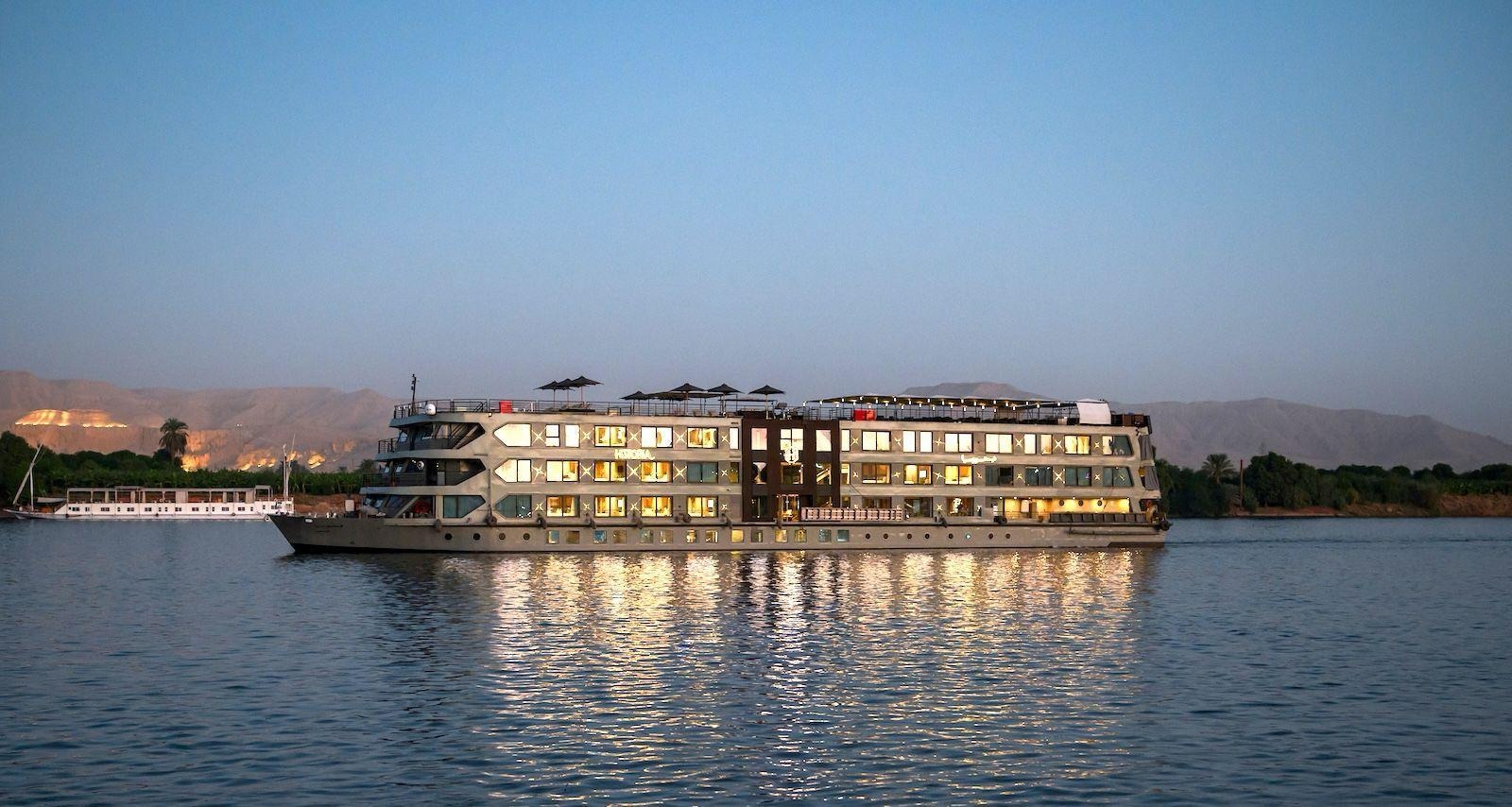
No doubt, the capital of Egypt, Cairo, has many famous places where you can try the authentic dishes, but if you have a Nile cruise on your Egyptian vacation, then try the famous delicacies while sailing on the Nile between Luxor and Aswan for a much more serene dining experience.
The famous dishes of Egypt consist of everyday Egyptian staples, celebration dishes, and regional delights. Let’s explore the flavorful side of Egypt that every traveler must try during a vacation in the land of the pharaohs.
Savory Egyptian Foods to Try

- Koshari—Egypt’s Comfort Food in One Bowl
Start by trying the national dish of Egypt, the street-famous, everyday staple Koshary, also spelled Koshari. It is a favorable combination of rice, lentils, pasta, chickpeas, tomato sauce, and crispy onions; the different textures in one dish are the best part of the dish. The vinegar-based sauce is unique and pairs well with every ingredient in the dish and can be satisfying after a long day of sightseeing.
You can find koshari almost everywhere in Egypt: on the streets, in restaurants, and on board the Nile cruises, served especially during Egyptian-style buffet dinners.

- Ful Medames—The Egyptian Breakfast Staple
It is a famous and fulfilling breakfast consumed as a staple breakfast dish; it is prepared by the slow-cooking of fava beans, the main ingredient, and its smooth texture is achieved by the correct balance of olive oil, lemon juice, garlic, cumin, and traditional culinary ways of serving that make it a flavorful delight.
During your exploration in Cairo you can find the dish on every street corner, and it is also commonly served during breakfast on board. It is served with traditional Egyptian baladi bread, a simple, nutritious, and plant-based dietary fiber that makes it one of the must-try Egyptian dishes.
- Ta’ameya—Egypt’s Fava Bean Answer to Falafel
It’s the Egyptian version of falafel, as fava beans are used instead of chickpeas; the ta’ameya has a bright green color inside created by ingredients such as herbs and greens with a fluffy texture and crispy exterior. This is commonly eaten with bread, vegetables, tahini, or pickles; try having it fresh from the local cafes and shops while exploring cities. You can find it easily in Aswan, Edfu, Luxor, and almost all over the Nile route.
- Molokhia—The Dish That Divides First-Time Visitors
This is prepared with a special ingredient, the mulukhiyah, also known as jute mallow or Jew’s mallow; it is a green leafy vegetable commonly found in Middle Eastern, North African, and East African delights. The jute leaves are chopped and cooked into a characteristic leafy broth, which is commonly served over rice and vermicelli and often accompanied by chicken, lamb, and fresh lemon wedges that bring balance in texture.
Tasha, the hot mixture of garlic and ground coriander, often fried in butter or oil, is what gives molokhia much of its distinctive aroma, which can be the highlight of the dish. So, wherever you find this tempting delight, do give it a try during your Egyptian vacation.
- Fiteer Meshaltet—Egypt’s Layered Pastry
This is a delight that has traces back to pharaohs and is prepared with dough and local ghee. In its ancient origins it is called “feteer maltoot,” an Egyptian flaky layered pastry that they have offered to gods in temples. It is a symbol of Egyptian hospitality and is a must try because of its rich, buttery texture and can be paired with a variety of dishes. On your 4-night or 3-night Nile cruise between Aswan and Luxor, you can find this delicacy on specific evenings of Egyptian-themed nights on board the vessels.
The Nile Cruisen, a cruise booking company based in Egypt, has a listing of around 100 sailing vessels offering sailing on the Nile; every vessel has a different menu for multi-day journeys, so you can choose one and book effortlessly. The best cruise lines with noticeable menus are Mövenpick, Sonesta, Oberoi, and Amirat Cruises.
- Hamam Mahshi (stuffed pigeon)—Long Culinary Tradition
Stuffed pigeon is one of the more distinctive dishes a visitor can encounter in Egypt; the dish has a traditional stuffing, commonly involving rice or grains with herbs and seasonings. It is a delight that is rooted in the Egyptian traditions, as hieroglyphs at the tombs have proven that raising and eating pigeons along the Nile is common in ancient times.
Another interesting fact about it is that the dish is traditionally served to grooms on their wedding night for vitality. On the Egypt river cruises, it is served to the guests as an à la carte (sit-down) dinner rather than a buffet.
- Hawawshi—Egypt’s Spiced Meat-Stuffed Bread
It is an Egyptian comfort and street food that was invented in Cairo in the 1970s by a butcher whose name is Ahmed al-Hawashi, and soon the dish became famous for its texture and flavors and remains a budget-friendly staple across Egypt. The dish consists of a filling commonly made of spiced minced meat, onions, peppers, and herbs, which is stuffed into pita bread.
You can find this as a star attraction during Egyptian Night buffets on board or at afternoon lunch grills on the sun decks of Nile cruises in Egypt.
- Nile Perch (Samak Sayadieh or Samak Mashwi)—Tasting the River’s Culinary Connection
This is an Egyptian delight that you will almost always find on every Nile cruise buffet, one of the common fish delicacies of Egypt that you will likely have while sailing between Luxor and Aswan. The Nile perch is a Nile fish variety that is commonly collected near the Aswan Dam and near Lake Nasser. Depending upon your Nile cruise menu, a particular Nile perch dish is served.
Samak Sayadieh, which is also known as the “fisherman fish,” where the Nile perch fillets are baked and paired with flavored, simple yellow rice and caramelized onions with authentic spices. Another version of Nile preach that is commonly served on board Nile vessels is Samak Mashwi, the usual grilled fish seasoned with garlic, cumin, and lemon.
Egyptian Desserts You Should Save Room For During The Nile Cruise in Egypt
- Umm Ali—Egypt’s Warm, Comforting Dessert
The national dessert of Egypt is Om Ali, which is also spelled as Umm Ali. It is a warm and rich dessert that consists of milk and heavy cream or sweetened condensed milk, much like a bread pudding, as its creamy interior and toasted toppings are mouth-watering and also make you feel connected to the warmth and richness of Egyptian hospitality.

It is a commonly served dessert that travelers get to taste on board Nile vessels.
- Basbousa—The Semolina Cake With a Syrupy Finish
It is a traditional Egyptian sweet cake, as you may have heard of or tried while exploring the Middle Eastern or Arabic countries. This consists of semolina, ghee, butter, yogurt, milk, and sugar; it is served drenched in a warm citrus-rose syrup. The crumbly and moist texture gives the dining table a superb end, as it’s enriching and fulfilling.
The desserts and savory delights on the Nile River cruises are available in a wide variety; do try every dish, as you will be having around 3, 4, or 7 days on board depending upon your chosen cruising duration.
Food Etiquette & Practical Tips for Nile Cruise Travelers
- Wash or sanitize hands before eating, especially when eating bread by hand.
- Understand the role of bread proportion in pairing with dishes.
- Ask before photographing people preparing or selling food and carry bottled water when exploring away from the cruise.
- Be cautious with raw foods if you have a sensitive stomach, and allow yourself time to discover which flavors you actually enjoy.
- During booking a Nile cruise, consider asking your booking partner to give you an insight into what dishes you will get on board before booking, as Nile Cruisen experts will provide you a detailed overview of the vessel you will be booking.
- Only book a vessel after knowing its menus and dining facilities, as dining on a Nile cruise will be a major part of your itinerary.
Final Thoughts
A Nile cruise allows travelers to experience Egypt through both ancient monuments and everyday food culture; it’s not necessary that only the vessel make you taste the authentic food. During shore excursions, go explore the streets and try the fresh delights. And at last, to end a message for you all, remember that the most memorable meals are often connected to a place, person, market, conversation, or view. So, enjoy your every moment on board, either on a Nile cruise buffet or at the restaurant.
2 thoughts on “10 Egyptian Foods to Try From Luxor to Aswan during a Nile Cruise in Egypt ”
Comments are closed.