
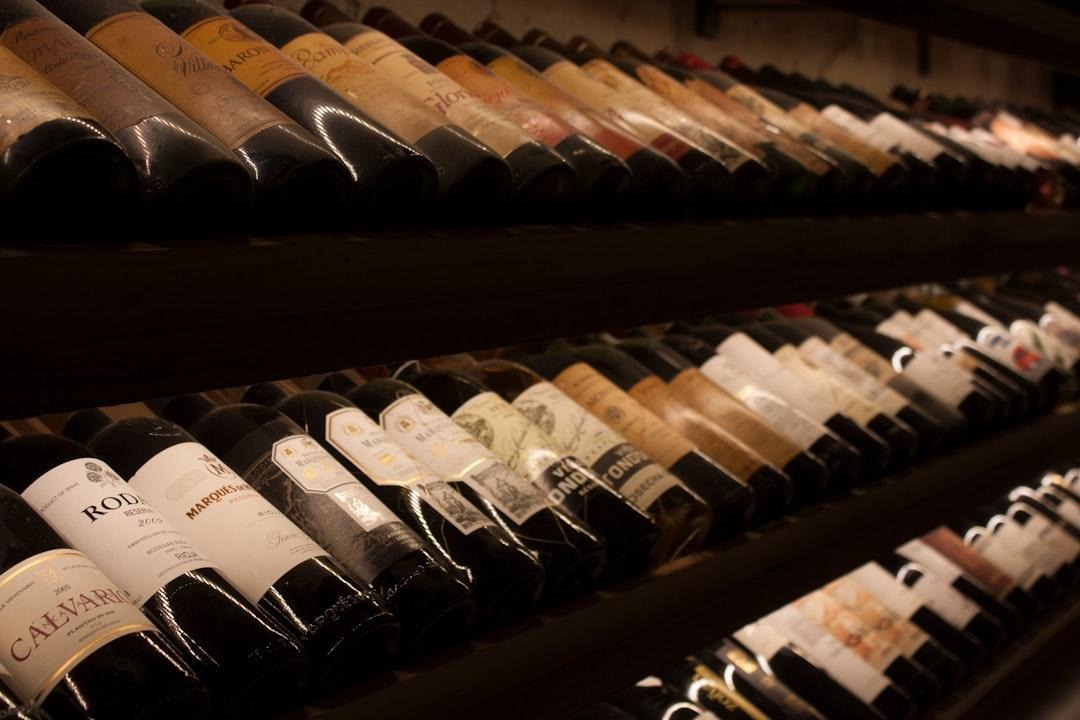
I have eaten street food on five continents, and for most of that time I stored wine like it could not be hurt. Bottles stood on a shelf above the kettle. A nice red someone brought back from a trip sat on top of the fridge for half a year. I drank it all happily, right up until the day a friend who actually knows wine tried one of my “special” bottles, made a face, and asked how long it had been living next to the oven.
That was the day I learned wine is more fragile than the food I chase around the world. The good news is that keeping it well is not complicated, and you do not need a cellar or a big budget to stop wrecking bottles. You mostly need to stop doing a few things, and understand the one that actually matters.
So what ruins wine at home?

Answer first: heat, temperature swings, and light. In that order.
Heat ages wine too fast, so a bottle that should have been lovely in three years tastes tired in one. Temperature swings are worse, because every time wine warms up and cools down it expands and contracts, working air past the cork and dulling the flavor. And UV light, sunlight especially, breaks wine down and can leave it smelling flat or faintly of wet cardboard, a fault known as being “lightstruck.”
None of that is about hitting one perfect number. Everyone quotes 55F as the ideal cellar temperature, and it is, but a steady 60F in a dark cupboard will keep your wine better than a wine fridge that keeps cycling warm and cold because you shoved it in a hot garage. Consistency beats cold. That is the whole game.
The mistakes I used to make, so you can skip them

source – https://unsplash.com/photos/a-bottle-of-wine-sitting-on-top-of-a-counter-_xP81WEL7m8
I made all of these, so you do not have to.
1. The kitchen. It is the worst room in the house for wine. The oven, the dishwasher, the fridge motor, the afternoon sun through the window: heat and swings, all day. A wine rack on the kitchen counter looks great and slowly bakes everything on it.
2. On top of the fridge. Warm from the motor underneath, and buzzing with a faint vibration that, over months, unsettles the sediment and tires the wine out. It is the single most convenient spot and one of the worst.
3. The garage or the loft. People think “cool and out of the way,” and forget these are the rooms with the biggest temperature swing in the whole building, freezing in winter and roasting in summer.
4. Standing everything upright for the long haul. Fine for a week. But a cork needs to stay damp so it does not dry out and let air in, and it only stays damp if the wine is touching it. Anything you are keeping for months goes on its side.
Do you need a wine fridge?

Honest answer: it depends entirely on how you drink.
If you buy a bottle and drink it within a couple of weeks, you do not need to buy anything. A cool, dark cupboard on an interior wall, away from the kitchen, is genuinely fine. Do not let anyone talk you into hardware you will not use.
But something changes once you start keeping bottles. Maybe you are bringing wine back from trips, or a case turned up as a gift, and now you have bottles you want to be good in a year, not this weekend. A cupboard cannot promise you a steady temperature through a hot summer, and that swing is what quietly flattens the bottles you were saving. This is where a wine cooler starts to matter. What a cooler really does is hold one steady temperature while the room around it changes, which is the part a cupboard cannot manage.
If you have reached that point, a dedicated cooler is your best buy, and Wine Cellar HQ is a sensible place to start: they carry a range of wine coolers, and being a Texas outfit that designs and builds wine cellars with licensed HVAC and refrigeration staff, their sizing advice comes from installing this stuff, not from a spec sheet. For a first cooler, that hands-on help beats guessing on a marketplace.
Getting the temperature right when you pour it

Storing it well is half the job. Serving it at the wrong temperature undoes a lot of that work, and this is where the “20-minute rule” comes in handy.
Most people drink red too warm and white too cold. So: take a red out of a warm room and put it in the fridge for about 20 minutes before you open it, which brings it down to a temperature where the fruit shows instead of the alcohol. Do the opposite with a white or rose you have kept fridge-cold: let it sit out for about 20 minutes so it is not so cold that it tastes of nothing. Your mouth will notice the difference more than any storage upgrade.
A few quick questions people always ask
What is the best way to store wine at home? Cool, dark, steady, and on its side for anything you are keeping. An interior cupboard away from the kitchen for bottles you will drink soon; a wine cooler for bottles you want to keep for months.
How do I keep an opened bottle fresh? Reseal it and put it in the fridge, cork and all. A red keeps two to three days, a white three to five. The cold slows the oxidation whatever the color, so refrigerate both.
Does an expensive bottle need different treatment? No. It needs the same conditions, held more carefully and for longer, which is the whole argument for steady storage once your bottles are worth waiting on.
The short version
Keep wine cool, dark, steady, and lying down, and keep it out of the kitchen. If you drink fast, a cupboard is all you need. If you have started keeping bottles you actually care about, get something that holds a steady temperature, and you will taste the difference in the ones you waited on. Wish someone had told me before that friend pulled a face at my fridge-top red.