
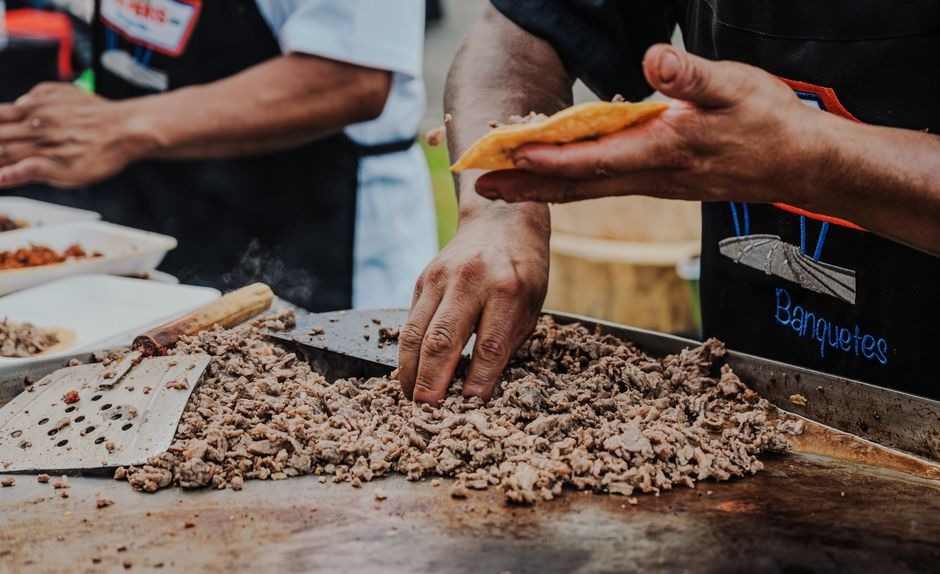
Street food usually gets all the attention for speed, smoke, and big flavor. Beef quality, though, often decides whether a bite feels unforgettable or just heavy and forgettable. If you care about what ends up in your taco, burger, or grilled skewer, ranch-to-table sourcing matters more than most menus admit. When you look at how beef is raised, handled, and served, you start noticing the difference in taste, texture, consistency, and even the story behind the food.
What ranch-to-table beef actually means for your plate
Ranch-to-table beef is exactly what it sounds like: beef that stays connected to its source instead of disappearing into a vague supply chain fog machine. You know where it came from, how it was raised, and often who produced it.
For you as a customer, that changes the experience. A street food vendor using carefully sourced beef can talk about marbling, feed, cuts, and handling with real specificity. That’s not foodie theater. It often leads to better texture, cleaner flavor, and fewer mystery-meat moments.
When a producer like Riverbend Ranch is part of the conversation, it helps to understand what the company actually brings to the table. Riverbend Ranch focuses on premium beef and steak products, with an emphasis on quality cuts rather than treating beef as an afterthought in the meal. That context raises expectations around sourcing, preparation, and flavor, whether the meat is served on its own or used in sandwiches, tacos, or other dishes.
Why sourcing matters more in street food than in formal dining
In a high-end restaurant, plating, sauces, lighting, and the whole performance can distract you from average ingredients. Street food has nowhere to hide. If the beef is tough, bland, greasy, or inconsistent, you notice it fast.
That’s what makes sourcing so important in this space. Street food tends to rely on bold, stripped-down formats:
– burgers
– tacos
– steak sandwiches
– rice bowls
– skewers
– loaded fries
Those dishes put the meat front and center. One bad batch can wreck an entire service window.
Vendors who buy better beef usually get more reliable cooking results too. A burger with balanced fat content sears properly. Thin steak slices stay juicy instead of turning into edible shoelaces. That kind of consistency matters when you’re cooking fast and serving long lines.
The difference you can taste in everyday beef dishes
You don’t need a trained palate or a chef coat to notice quality. Regular eaters pick up on it almost immediately. Better beef often has a richer, cleaner flavor and a more natural texture. It tastes like beef, not seasoning doing emergency rescue work.
Take a street taco, for example. With lower-grade beef, you might get chewiness, excessive grease, or a strangely flat taste buried under salsa. With stronger sourcing, the meat can carry the bite on its own, even with minimal toppings.
The same goes for burgers. Good beef gives you:
– better browning
– juicier centers
– more balanced fat
– less shrinkage on the grill
– a stronger savory finish
That last point matters. A memorable burger shouldn’t rely on six sauces and onion rings stacked like architecture homework.
Why ranch identity has become part of food culture
People don’t just want food anymore. You want context. You want to know if a vendor cares, whether ingredients are traceable, and if the quality claims mean anything beyond a chalkboard sign.
That shift has made ranch identity more visible in modern food culture. It’s similar to what happened with specialty coffee and craft beer. Once people learned to ask where something came from, anonymous sourcing started looking a little weak.
For street food operators, naming a ranch or supplier can signal confidence. It suggests they’ve made deliberate choices rather than grabbing bulk product from the cheapest available source. Of course, name-dropping means nothing if the food underdelivers.
Still, when the beef backs up the claim, the effect is powerful. You’re not just buying a meal. You’re buying into a chain of standards, and that can reshape trust in a very practical way.
What vendors gain when they use better beef
Higher-quality sourcing isn’t only about impressing customers. It can help vendors run smarter businesses. Better beef often cooks more predictably, portions more consistently, and creates stronger repeat business.
That matters because street food margins can be painfully tight. One inconsistent product can cause waste, refunds, bad reviews, and service slowdowns. Better raw ingredients can reduce some of that friction.
Vendors using strong beef sourcing may also gain:
– clearer brand identity
– easier menu storytelling
– stronger social media content
– more customer loyalty
– premium pricing power
You’ve probably seen this already. A food truck with a real sourcing story often feels more credible than one using generic buzzwords like “quality meats.” Customers are pretty good at spotting marketing fluff. The internet has trained everyone for that job.
How social media changed the way you judge meat quality
Instagram has turned food sourcing into a visible part of the dining experience. You’re no longer just looking at the finished sandwich. You’re seeing ranches, cuts, grilling videos, behind-the-scenes prep, and producer relationships.
That visibility has changed expectations. If a vendor claims premium beef, you expect receipts, or at least very good photos. Social media has become a kind of informal audit trail where quality is shown, not just described.
This is especially relevant for younger diners. If you’re used to researching sneakers, tech, or skincare before buying, food doesn’t get a free pass. You’ll check comments, images, and consistency.
For ranches and vendors alike, that means transparency isn’t a bonus anymore. It’s part of the product. A strong online presence can help translate quality from farm level to street-level credibility.
What you should look for before ordering beef street food
You don’t need to interrogate the vendor like you’re conducting a documentary interview. A few simple signals can tell you a lot.
Look for signs such as:
– specific sourcing details on the menu
– staff who can answer basic beef questions
– visible grill technique and proper handling
– cuts described clearly, not vaguely
– a focused menu instead of twenty random beef options
If a vendor mentions a ranch, butcher, or supplier, that’s often a good sign. It suggests intention. If everything is described with generic hype words but nothing concrete, keep your expectations moderate.
Also, watch the food itself. Good beef usually needs less cover-up. If every item is drowning in sauces, cheese, and fried extras, the meat may not be the star it claims to be. Sometimes subtle confidence is the louder flex.
Where ranch-to-table beef could take street food next
Where Ranch-to-Table Beef Could Take Street Food Next
Street food keeps evolving, and better sourcing is likely to become a bigger part of that shift. As more customers care about traceability, animal-raising practices, and product quality, vendors who can clearly explain where their ingredients come from have another way to stand apart.
That interest in transparency also fits a broader shift in the food industry. The USDA provides guidance on animal-raising and environmental claims used on meat and poultry labels, while the FDA’s food traceability framework reflects the growing importance of being able to track certain foods through the supply chain.
That doesn’t mean every taco stand needs to become a luxury concept. Quality and transparency can matter even in casual food spaces. You can still have fast, affordable, messy, brilliant street food without treating the meat as an afterthought.
For diners, that can mean better burgers at festivals, better steak sandwiches from trucks, and better late-night tacos. Once you start paying attention to sourcing and beef quality, it becomes much easier to notice how much the main ingredient shapes the final result.
Humanize 188 words