
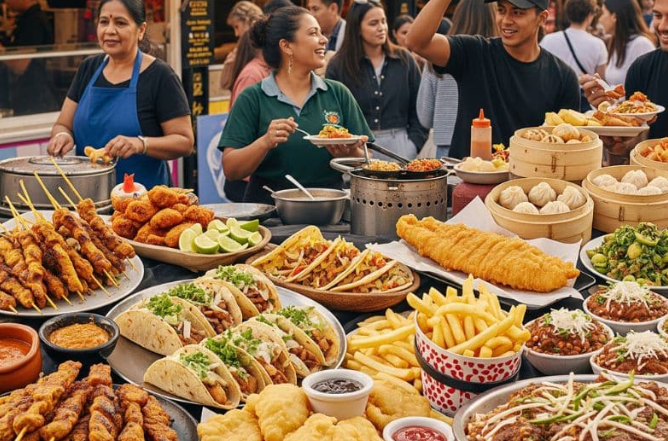
Street food is often where a city shows its real personality. You can learn a lot about a place from what people eat on the way to work, after school, late at night, or while shopping in a busy market. Beyond familiar tacos, kebabs, hot dogs, and dumplings, there is a world of unusual street food waiting to be discovered.
The best street food experiences are not always the ones appearing first on travel apps. They may come from a tiny cart near a station, a family-run night-market stall, or a vendor making one regional specialty every day. UN Tourism describes gastronomy as closely connected to culture, heritage, traditions, and community, which is why local food can reveal so much about a destination.
Why Unconventional Street Food Is Worth Exploring
Lesser-known foods often reveal an interesting side of local cuisine. They may use ingredients that are ordinary to residents but unfamiliar to visitors, or cooking methods passed through families and communities.
Depending on where you travel, you might encounter grilled organ meats, fermented snacks, stuffed flatbreads, savory pancakes, fried insects, unusual seafood, sticky rice desserts, or regional soups served from carts.
Street food offers a direct connection to everyday food culture. Travel coverage in 2026 continues to highlight interest in immersive, locally rooted experiences, including regional foods and markets.
If travel is not possible, specialty restaurants, international markets, and halal food delivery services can introduce you to cuisines you have never explored.
Start With Local Markets, Not Tourist Lists
Searching “best street food near me” is convenient, but the top result is not always the most authentic.
Look for traditional markets, night bazaars, transport hubs, university areas, and older commercial districts where local workers eat. These places often contain affordable street stalls serving food for residents rather than tourists.
Notice where local customers are lining up. A busy stall is not a guarantee of quality, but steady turnover often means food is prepared frequently.
Ask locals what they actually eat. Instead of asking, “Where should tourists go?” try, “Where do you go for lunch?” That can lead you to hidden food gems that do not appear on every travel list.
Learn the Dish Before You Judge It
An unfamiliar dish can look intimidating when you do not know what is inside it.
Ask about the main ingredients, cooking method, spice level, and toppings. A quick explanation can turn something strange-looking into the most memorable meal of your trip.
Some street foods are intentionally bold. Fermented ingredients may smell strong, offal may have an unfamiliar texture, and regional chili sauces can be hotter than expected.
Try a small portion first. The “taste first, order more later” approach lets you sample several obscure dishes without wasting money or food.
Recognize Common Street Food Categories
You do not need to memorize hundreds of dish names. Learn the main categories instead.
Grilled street food may include skewered meats, seafood, vegetables, sausages, and flatbreads. Fried options can include stuffed pastries, fritters, and crispy vegetables. Portable meals include wraps, buns, rice bowls, noodles, savory pancakes, and stuffed breads. Markets also sell sweet pancakes, fruit cups, puddings, and sticky rice desserts.
If dietary requirements matter, ask directly about ingredients and preparation. The same applies when using halal food delivery platforms: check restaurant information and menu descriptions rather than assuming a dish meets your needs because of its name.
How to Pick a Safer Street Food Stall
Great street food should still be approached with basic food-safety awareness.
The World Health Organization and FAO emphasize clean preparation, safe food handling, appropriate storage, personal hygiene, and protection from contamination in street food vending.
Look for stalls where raw and cooked ingredients are separated, preparation surfaces appear clean, and food is protected from insects and dust. Ingredients requiring refrigeration should be kept cold, while hot dishes should be cooked thoroughly and served hot. WHO guidance for street food vendors similarly emphasizes controlling contamination and handling ingredients safely.
Be cautious with dishes sitting uncovered for long periods, raw ingredients of uncertain freshness, questionable water or ice, and stalls where cleanliness appears poor. Popularity is useful, but hygiene matters more.
Follow the “One Familiar, One New” Rule
Order one dish you understand and one local specialty you have never tried. You might pair familiar grilled meat with an unusual sauce, bread, salad, or snack.
When eating with friends or family, order several smaller dishes and share them. Everyone gets to taste something unconventional without committing to a full portion.
This works well for cautious eaters and makes street-food tasting more social and affordable.
Ask Vendors How the Food Should Be Eaten
Sometimes visitors dislike a local dish because they do not know how it is meant to be eaten.
A sauce might be intended for dipping, a crispy shell may need to be eaten immediately, or a snack may come with herbs, lime, pickles, broth, or spice powder that changes the flavor.
Ask the vendor, “How do you normally eat this?” Watching local customers can help too. Learning the intended combination of flavors can make an obscure dish much more enjoyable.
Look Beyond Full Meals
Some of the best local delicacies are not full meals.
Street markets are excellent places to explore breads, sweets, seasonal fruits, roasted nuts, pickles, teas, fermented drinks, spice blends, and regional desserts. These smaller purchases are great for budget-friendly food tourism because you can sample several flavors without paying for multiple restaurant meals.
If you discover something you love, look for specialty grocers, restaurants, or halal food delivery options offering the same cuisine when you return home.
Do Not Confuse Viral With Authentic
Social media has made unusual street food highly visible, but viral does not always mean authentic, traditional, or good.
Some foods are created mainly for cameras: oversized portions, dramatic sauces, extreme spice levels, or unusual combinations designed to attract views.
There is nothing wrong with trying them, but do not let viral food replace genuine exploration. A simple stall serving one regional specialty well may offer a better experience than the place with the longest social-media queue.
Turn Street Food Into a Cultural Experience
The best street food guide is not just a checklist of dishes.
Notice when people eat a particular food, who sells it, how it is prepared, and whether it is associated with breakfast, festivals, late nights, religious occasions, or working life.
Street food exists within a community. Understanding that context turns an inexpensive snack into a small lesson about local history and everyday culture. Gastronomy tourism itself is closely tied to authentic and traditional culinary experiences, making local food an important way of understanding a destination.
Some flavors will surprise you, others may challenge you, and a few may become foods you keep searching for long after the trip ends.
Final Thoughts
Exploring unusual street food is one of the easiest ways to move beyond predictable dining. Start in local markets, follow busy stalls, ask questions, try small portions, prioritize hygiene, and pay attention to what local people order.
Do not judge a dish only by its appearance or unfamiliar ingredients. At the same time, never ignore food safety or dietary requirements just for the sake of being adventurous.
The best local delicacies often come with a story, a cooking technique, and a connection to the community that created them.
Next time you travel—or explore a new neighborhood—skip one familiar restaurant and look for a street stall you have never tried. Your next favorite meal might be hiding on a menu you cannot pronounce yet.