
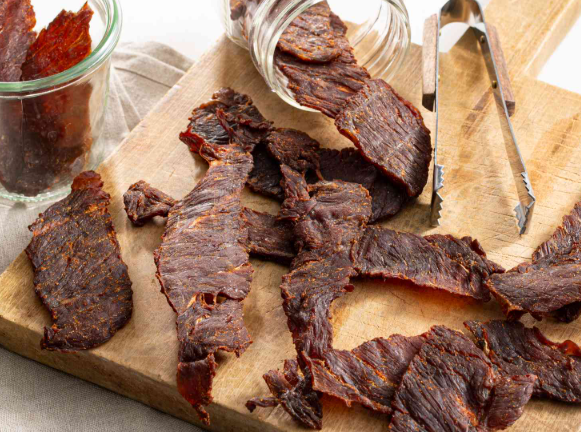
The number of Beef jerky options available today can make choosing a bag surprisingly difficult. One package promises bold flavor, another emphasizes protein, while another focuses on premium cuts or unusual seasonings.
So what actually makes one product worth buying?
Good Jerky is not determined by one characteristic alone. Texture, beef quality, flavor balance, ingredients, freshness, portion value, and personal preference all contribute to the experience.
The best product for someone who enjoys thick, tender slices may be completely different from what a customer who prefers thin, firm jerky would choose.
Instead of searching for one universal “best” option, evaluate the qualities that matter most to you.
Here are seven useful things to consider before making your next purchase.
1. A Texture That Matches Your Preference
Texture is one of the first differences you will notice between jerky products.
Some varieties have a traditional firm chew that takes time to work through. Others are designed to be softer and easier to bite.
Thickness contributes to this difference.
Thin slices can feel lighter or crispier, while thicker pieces may provide a denser, meatier bite.
Neither style is necessarily superior.
The important thing is knowing your preference.
If possible, look at product descriptions and reviews for words such as tender, soft, chewy, thick-cut, or traditional.
These clues can help you avoid buying a texture you do not enjoy.
2. Flavor That Complements the Beef
Seasoning should create a clear flavor without making every bite taste only of salt, sweetness, or heat.
A well-balanced product lets the seasoning and beef work together.
For classic varieties, black pepper, garlic, smoke, and savory notes are common.
More adventurous options might include chili, hot peppers, barbecue seasonings, teriyaki-style sauces, or sweet-and-spicy combinations.
When evaluating flavor, think about intensity.
Do you want something mild enough for everyday snacking, or are you looking for a flavor that immediately makes an impact?
Choosing based on your actual taste preference is more useful than simply buying the flavor with the most dramatic name.
3. An Ingredient List You Understand
Take a moment to read the ingredient panel.
It can tell you how the product was seasoned and whether it contains ingredients relevant to your dietary needs or preferences.
Some shoppers prefer simpler formulations. Others care more about flavor and are comfortable with longer ingredient lists.
The important point is awareness.
Customers with allergies or specific dietary requirements should be particularly careful because different flavors from the same company may use different recipes.
Never assume every variety has identical ingredients.
4. Nutrition That Fits Your Needs
Jerky is often purchased as a protein-focused snack, but nutrition varies between products.
Look at the label rather than relying entirely on package claims.
Compare serving size, protein, calories, sodium, sugar, carbohydrates, and fat if these factors matter to you.
For example, someone specifically trying to limit added sugar may prefer a different variety from someone primarily interested in maximizing protein per serving.
There is no nutritional profile that works perfectly for every shopper.
The better choice is the one that fits the way you actually eat.
5. Freshness and Reliable Packaging
Packaging should help protect the product before it reaches you.
When buying in person, check that the package appears properly sealed and undamaged.
When purchasing online, consider whether the seller clearly explains shipping, freshness, and storage information.
Reliable packaging becomes particularly important if you order multiple bags and plan to store some for later.
Once the product arrives, follow the storage directions on the package.
Good jerky can still lose quality when it is stored improperly after opening.
6. Enough Variety Without Losing Consistency
A company offering several flavors can make it easier to find something that suits your preferences.
However, variety is most useful when the core quality remains consistent.
You should not feel like you are purchasing from a completely different producer each time you switch flavors.
Look for a brand that offers recognizable characteristics across its range, such as consistent slice thickness, texture, and beef quality.
Then the seasoning becomes the main variable.
This makes trying new flavors less risky because you already know what type of jerky experience to expect.
7. Value Beyond the Lowest Price
Price matters, but the cheapest bag is not always the best value.
Consider how much jerky you receive, the size of the serving, product quality, flavor, packaging, and how much of the bag you genuinely enjoy eating.
A low-cost product that you dislike is not a good purchase.
Similarly, a premium price does not automatically guarantee that a particular texture or flavor will appeal to you.
Value is the relationship between price and experience.
If a slightly more expensive product consistently delivers a flavor and texture you enjoy, you may consider it better value than a cheaper alternative.
Start With What You Personally Enjoy
There is no single rule for choosing good beef jerky because customers value different things.
Some want intense heat. Others want mild seasoning.
Some enjoy a tough, traditional chew, while others prefer tender slices.
Some prioritize protein or specific ingredients. Others simply want a flavorful snack for a road trip.
Use the seven factors above as a buying checklist, but let your own preferences guide the final decision.
Good jerky should make you want to reach back into the bag for another piece.
When you find the right combination of beef quality, texture, seasoning, nutrition, freshness, and value, you have probably found a product worth ordering again.