
How to find the best place to buy wine online
Finding the best place to buy wine online is less about chasing the biggest catalog and more about finding a seller that makes good judgment easier. A thoughtful shop explains where its bottles come from, how they were handled, and why they belong in your gift. Start with the retailer’s habits, not its sales banners.
Compare boutique retailers, wineries, and specialty marketplaces
Boutique retailers often curate across regions, while wineries can offer direct access to their own releases and useful producer context. Specialty marketplaces may make unusual bottles easier to discover, but their listings can vary, so read each one closely. The right choice depends on whether you value guidance, direct provenance, or sheer variety.
Look for transparent producer and bottle information
A persuasive product page should name the producer, region, grape varieties when relevant, vintage, bottle size, and alcohol content. Notes about farming and cellar practices are helpful when they are specific rather than decorative. If a listing names Levo Vineyard, for example, look for enough surrounding detail to understand what the bottle actually is before adding it to a cart.
Check ratings, reviews, and customer service signals
Ratings can reveal whether a bottle is broadly appreciated, but they are not a substitute for knowing the recipient’s palate. Look for reviews that discuss freshness, packaging, delivery accuracy, and how the shop handled a problem. Clear contact information, realistic delivery promises, and an accessible support policy are quiet signs of a serious seller.
Weigh selection against expertise and exclusivity
A huge selection is exciting until every bottle starts to look interchangeable. A smaller range may be more useful if tasting notes are thoughtful and the shop explains why each wine was chosen. For a gift, curated confidence matters more than the ability to scroll through thousands of labels.
Decode what makes a bottle truly handcrafted
“Handcrafted” can point to genuine care, but it is not a complete description on its own. The useful clues are the decisions behind the bottle: how grapes were grown, how fermentation was managed, and how the wine was aged and prepared. Read the language with curiosity, not suspicion.
Distinguish small-batch, natural, organic, and biodynamic wines
These terms describe different ideas and should not be treated as synonyms. Small-batch usually speaks to production scale, while organic and biodynamic refer to farming approaches that may be subject to particular standards. Natural is used in varied ways, so ask what the producer means and whether the page explains additions, filtration, or intervention.
Explore the role of terroir, vintage, and winemaking style
Terroir brings together place, climate, soil, and the choices that shape a wine’s character. Vintage tells you when the grapes were harvested, which can matter greatly in regions with changing weather. Winemaking style then adds another layer, from bright and restrained to textured, savory, or deeply concentrated.
Spot meaningful details on labels and product pages
Look for a named vineyard or appellation, a clear vintage, and a producer story that says something concrete about the wine. Details about native yeast, vessel, élevage, or bottling can be useful when they are presented plainly. None of these phrases guarantees that you will love the wine, but together they make the bottle easier to understand.
Recognize when “artisanal” is more marketing than substance
A rustic label and a poetic description can be charming, yet neither proves a wine was made with unusual care. Be wary when “artisanal” appears without a producer name, origin, vintage, or technical information. A modest page with verifiable details is more trustworthy than a dramatic page built from atmosphere alone.
Match the wine to the person receiving it
The most memorable bottle is rarely the one with the grandest reputation. It is the one that fits how the recipient eats, hosts, travels, and relaxes. A little knowledge about their habits will usually outperform a guess based on price.
Choose bottles based on taste preferences and drinking habits
Think first about what they already reach for: crisp whites, silky reds, sparkling wines, aromatic varieties, or fuller-bodied pours. Consider whether the bottle will be opened with dinner, shared at a party, or saved for a quiet evening. If you do not know their preferences, choose an approachable style and include serving context rather than making a risky leap.
Use regional wines to reflect travel memories or personality
A wine from a place they love can turn a gift into a small act of remembering. Match a coastal trip with a lively white, a mountain holiday with a structured red, or a favorite food culture with a bottle from that region. The connection does not need to be exact; the story is often as enjoyable as the first sip.
Select adventurous pours for curious connoisseurs
For experienced drinkers, look beyond familiar grapes and famous regions. A less expected appellation, an uncommon blend, or a distinctive cellar approach can make the gift feel considered. Include a sentence about why you chose it so the recipient understands the invitation to explore.
Find crowd-pleasing styles for hosts and casual drinkers
When one bottle will serve several people, versatility matters. Fresh sparkling wine, balanced rosé, medium-bodied reds, and food-friendly whites can move comfortably through a mixed menu. The best gifts for wine lovers do not always need to be rare; they need to make opening the bottle feel easy and welcome.
Build a gift-worthy bottle selection
A beautiful wine gift has a point of view. You might build around a region, a meal, a season, or a progression from light to bold. Even a single bottle feels more generous when the accompanying details show that someone thought about the moment of drinking it.
Pair a signature wine with complementary flavors
Choose food pairings that echo the wine’s structure rather than competing with it. Bright whites suit seafood, herbs, and fresh cheeses; supple reds can meet roasted vegetables, poultry, or charcuterie; sparkling wine is flexible enough for salty snacks and celebrations. Keep the advice relaxed and practical, since the recipient should feel encouraged rather than tested.
Combine handcrafted bottles into a themed gift set
A three-bottle set might follow one region, compare grape varieties, or trace a meal from aperitif to dessert. Keep the theme narrow enough to understand at a glance. These groupings work especially well when each bottle has a different role and the recipient can taste them side by side.
Add accessories that enhance the tasting experience
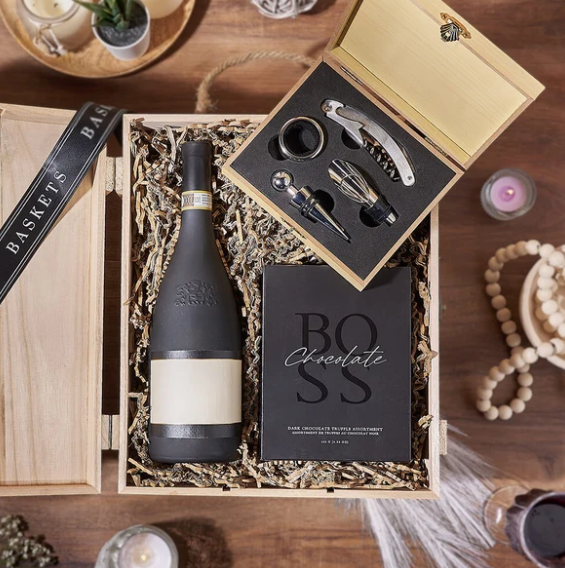
Useful extras are better than clutter. Consider a reliable opener, simple glassware, a pour spout, or a small card with serving temperatures. Avoid accessories that dominate the presentation or imply that the recipient needs specialized equipment to enjoy the wine.
Decide when one exceptional bottle beats a larger bundle
One carefully chosen bottle can be the stronger gift when the occasion is intimate or the recipient already has a focused cellar. A larger set makes sense for a host, a tasting night, or someone who enjoys comparison. Let the purpose determine the quantity, not the pressure to make the package look bigger.
Shop smart for price, provenance, and availability
Price is only one part of the cost of an online wine gift. Shipping, insurance, packaging, taxes, and missed-delivery complications can change the final total. Before paying, take a calm second look at the bottle details and the order terms.
Set a realistic budget for handcrafted wine gifts
Start with the amount you want to spend on the wine itself, then leave room for delivery and presentation. A modest bottle from a transparent producer can feel more special than an expensive label chosen without context. If you are building a set, decide whether variety or one standout bottle matters more.
Verify vintage, bottle size, and storage conditions
Check that the vintage shown in the listing matches what you expect, especially when the year is central to the gift. Confirm whether the bottle is a standard 750 milliliters or another format. Storage information is also worth seeking, since prolonged heat or poor handling can dull a wine before it reaches the recipient.
Compare shipping costs, delivery windows, and gift fees
The advertised bottle price rarely tells the whole story. Compare the delivered total and see whether gift packaging, a note, or a scheduled arrival adds a fee. A slightly higher price can be reasonable if the shop offers clearer timing and better protection in transit.
A quick comparison helps keep the decision grounded:
| Detail | Why it matters | What to check |
| Bottle price | Sets the starting budget | Sale terms and quantity limits |
| Shipping | Changes the delivered cost | Rate, insurance, and handling |
| Delivery window | Protects the occasion | Estimated arrival and signature rules |
| Gift services | Shapes the presentation | Packaging, note, and scheduling fees |
After comparing these details, choose the option whose total and timing make sense together. A bargain that arrives late is not a bargain for a birthday, dinner, or anniversary.
Understand state restrictions and adult-signature requirements
Alcohol shipments may be subject to state-specific rules, and an adult signature may be required at delivery. Check the destination before promising a particular arrival date. The recipient also needs a delivery setup that allows someone of legal drinking age to receive the package.
Turn online ordering into a personal experience
Online ordering can feel surprisingly warm when the details are intentional. A short note, a useful pairing suggestion, and a well-timed arrival can bridge the distance between a website and a real celebration. The goal is not to decorate the wine out of existence, but to frame it well.
Use gift notes, custom packaging, and scheduled delivery
Write a message that sounds like you, not like a greeting-card department. Mention why the bottle reminded you of the recipient or when you hope they will open it. If scheduling is available, aim for a day when the recipient is likely to be home and able to sign.
Create a tasting journey with serving suggestions
A simple sequence gives the recipient a reason to linger. Suggest chilling a white or sparkling bottle, opening a young red shortly before dinner, or tasting two related wines together. Keep the instructions brief and forgiving; wine should invite experimentation, not create homework.
Add a handwritten-style story about the producer or region
A few accurate lines about the place or maker can make an unfamiliar bottle approachable. Explain what drew you to it and connect that detail to the recipient’s interests. Avoid copying grand claims from a product page when a plain, personal observation will feel more genuine.
Make the unboxing feel polished without overwhelming the wine
Use protective packaging that keeps the bottles secure, then let the labels and colors do some of the visual work. One card and one useful accessory are often enough. Too many inserts, ribbons, and novelty items can make a thoughtful wine gift feel like a generic hamper.
Avoid common mistakes when buying wine online
Most online wine disappointments come from preventable mismatches: unclear listings, bad timing, or a package that was not handled well. A few minutes of checking can protect both the wine and the occasion. Trust your questions when a page leaves too much unsaid.
Skip vague listings with missing producer details
If the page does not clearly identify the producer, origin, vintage, or bottle size, pause before buying. Flowery tasting notes cannot fill those gaps. Search for a more complete listing or contact the seller and ask for the missing information.
Watch for heat exposure, poor storage, and questionable freshness
Wine can suffer when it sits in extreme temperatures or spends too long in an uncontrolled delivery chain. Look for seasonal shipping guidance and packaging designed to protect bottles. On arrival, inspect the package for leakage, damage, or unusual warmth before opening it.
Check return policies for damaged or incorrect shipments
Read the policy before checkout, particularly when the order is a gift. Find out how quickly damage must be reported, what photographs are needed, and whether incorrect bottles are replaced or refunded. Save the order confirmation until the recipient has received everything safely.
Order early around holidays and milestone celebrations
Peak seasons bring stock changes, carrier delays, and fewer convenient delivery slots. Order early enough to leave room for a missed attempt or replacement shipment. If the date is flexible, communicate that flexibility in the gift note so the recipient can enjoy the wine without a countdown.
Frequently Asked Questions
What is the best place to buy wine online?
The best option is a seller with transparent producer information, dependable shipping, clear policies, and a selection suited to your recipient. Compare the delivered price and service, not just the bottle price.
How can I tell whether a wine is truly handcrafted?
Look for specific information about the producer, region, farming, vintage, and winemaking. The word “artisanal” by itself is not enough evidence.
Is an expensive wine always a better gift?
No. A bottle that matches the recipient’s taste and the occasion will usually feel more thoughtful than a costly bottle chosen at random.
What wine makes a good gift for someone whose preferences I do not know?
Choose a versatile style such as sparkling wine, a balanced white, a fresh rosé, or a medium-bodied red. A short serving or pairing suggestion can make the choice feel more personal.
Should I buy one bottle or a wine gift set?
Choose one exceptional bottle for an intimate occasion or a focused collector. Choose several bottles when the recipient enjoys tasting comparisons or is likely to host others.
How early should I order wine for a celebration?
Order several days earlier than the retailer’s minimum estimate, and allow extra time during holidays. Check whether an adult signature is required at delivery.
What should I do if a wine shipment arrives damaged?
Photograph the packaging and bottle, keep the order information, and contact the seller promptly according to its return or replacement policy. Do not open a leaking or visibly compromised bottle.