
Snacking has a bad reputation, and most of that reputation was earned by the packaged aisle rather than by snacking itself. Eating something small between meals is a normal, sensible habit.
The problem is what usually gets reached for when hunger arrives, and nothing has been prepared. A bag of chips takes no effort, no planning, and no thought, which is exactly why it wins so often. Making snacks at home does not require skill or special equipment.
It requires a little preparation and a few ideas that are simple enough to repeat without resenting them. Once you have those ideas, the packaged aisle loses most of its pull.
Starting With the Snack You Already Reach For
Most people already know what they crave between meals. Some want something salty, some want something sweet, and some just want to crunch through something while doing three other things at once.
Hunger tends to arrive faster than any plan does, and whatever sits closest gets eaten. Fresh vegetable snacks answer that well, though they carry one honest weakness: a plain raw vegetable is dull, and nobody eats a dull snack twice.
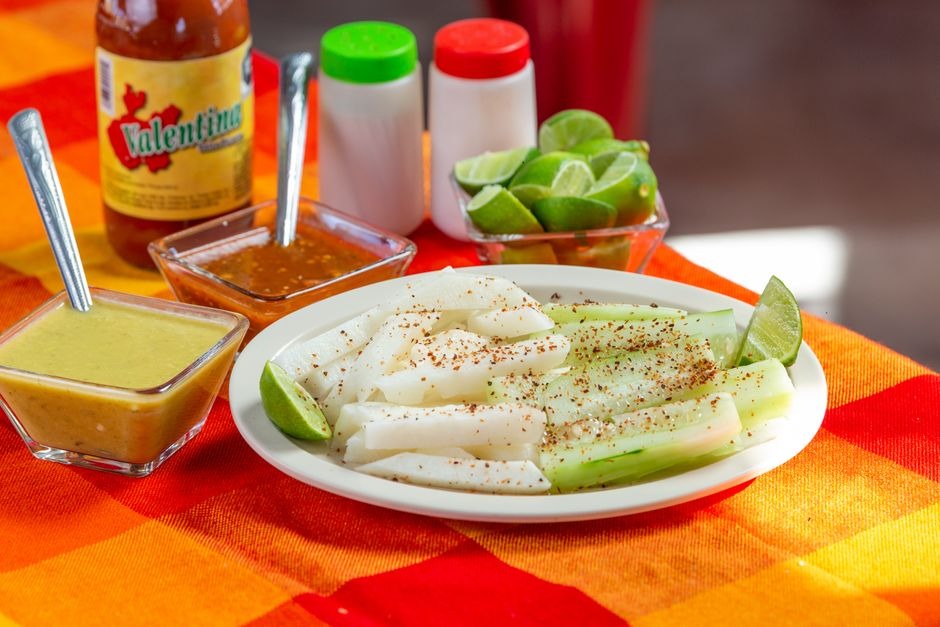
The fix is a quick homemade preparation, meaning produce cut into an easy shape and seasoned with something bright enough to make it worth finishing. If you want a first recipe that shows exactly how little that takes, this guide on how to make jicama sticks is about as simple as a homemade snack gets.
Why Preparation Matters More Than Recipes
The reason homemade snacking fails is almost never a lack of recipes. It fails because the food is not ready at the moment hunger shows up. A snack that needs peeling, washing, and slicing will lose to a snack that needs a bag opened, every single time. This means the real work of home snacking happens once a week, not once a day.
Set aside twenty minutes after you shop. Wash what needs washing. Cut what needs cutting. Put it in containers you can see through, at eye level in the refrigerator, in front of everything else. This sounds too small to matter, and it makes more difference than any recipe you will ever read. Food that is visible and ready gets eaten. Food that is buried in a drawer gets thrown away.
Choosing Produce That Holds Up Through the Week
Not every fruit or vegetable survives being cut in advance. Some go soft, some go brown, and some lose their flavor within a day. If you are preparing snacks ahead, choose things that stay firm and fresh.
Carrots, celery, radishes, cucumbers, bell peppers, and firm apples all keep their texture for several days after cutting. Sturdy root vegetables generally do well. Softer produce like tomatoes, berries, and ripe pears are better eaten close to when they were bought, so treat them as snacks for the first day or two rather than the whole week.
Water helps. Many cut vegetables stay crisp far longer when they are stored submerged in cold water in a sealed container. It takes no extra effort, and it buys you several more days of good texture.
The Role of Seasoning in Homemade Snacks
Here is the part most people skip. Plain produce is fine, but it is not exciting, and excitement is what makes a snack habit stick. Seasoning is the cheapest way to make simple food taste like something you chose rather than something you settled for.
A small shaker of salt mixed with ground chili is a good starting point. Two parts chili powder to one part fine salt is a reliable ratio. Sprinkled over almost any fresh vegetable, it adds heat, salt, and a little smoke, and it turns something plain into something people finish. Lime juice does similar work with a different character, adding sharpness that wakes up mild flavors.
Other options worth keeping on hand include smoked paprika, black pepper, dried herbs, and toasted sesame seeds. None of these cost much. All of them last for months. Together, they mean the same handful of vegetables can taste different every day of the week.
Balancing Convenience and Nutrition
The point of preparing snacks at home is not to eliminate every packaged food from your life. It is to change the default. When something fresh and ready is easier to grab than something processed, the fresh option wins most of the time without any willpower involved.
A useful approach is to pair. Fresh produce on its own is light and may not hold you until the next meal. Add something with protein or fat beside it, such as a handful of nuts, a piece of cheese, a spoonful of yogurt, or a simple dip made from beans. The combination keeps you full for longer and stops the snack from turning into a second snack an hour later.
Portion the pairings in advance too. Nuts eaten straight from a large bag disappear at a rate nobody intends. The same nuts in a small container feel like enough.
Making the Habit Last
New habits fail when they demand too much. If preparing snacks at home becomes a project, you will stop doing it within three weeks. Keep it small enough that it survives a busy stretch.
Pick three or four things you genuinely like and rotate them. Do not try to eat a different vegetable every day. Buy the same reliable items, prepare them the same reliable way, and let the seasoning provide whatever variety you need. Boredom is a real risk, but it is easier to fix with a new spice than with a new shopping list.
Accept that some weeks will not work. A forgotten container of soft celery is not a failure of the whole idea. It is just a week that got away from you. Start again on the next shop, with the same twenty minutes and the same few containers, and the habit rebuilds itself quickly.
Homemade snacking is one of the few kitchen habits that pays back immediately. You spend a small amount of time once, and every day that week you have something good waiting for you when hunger shows up. That is the entire idea, and it is genuinely as simple as it sounds.