
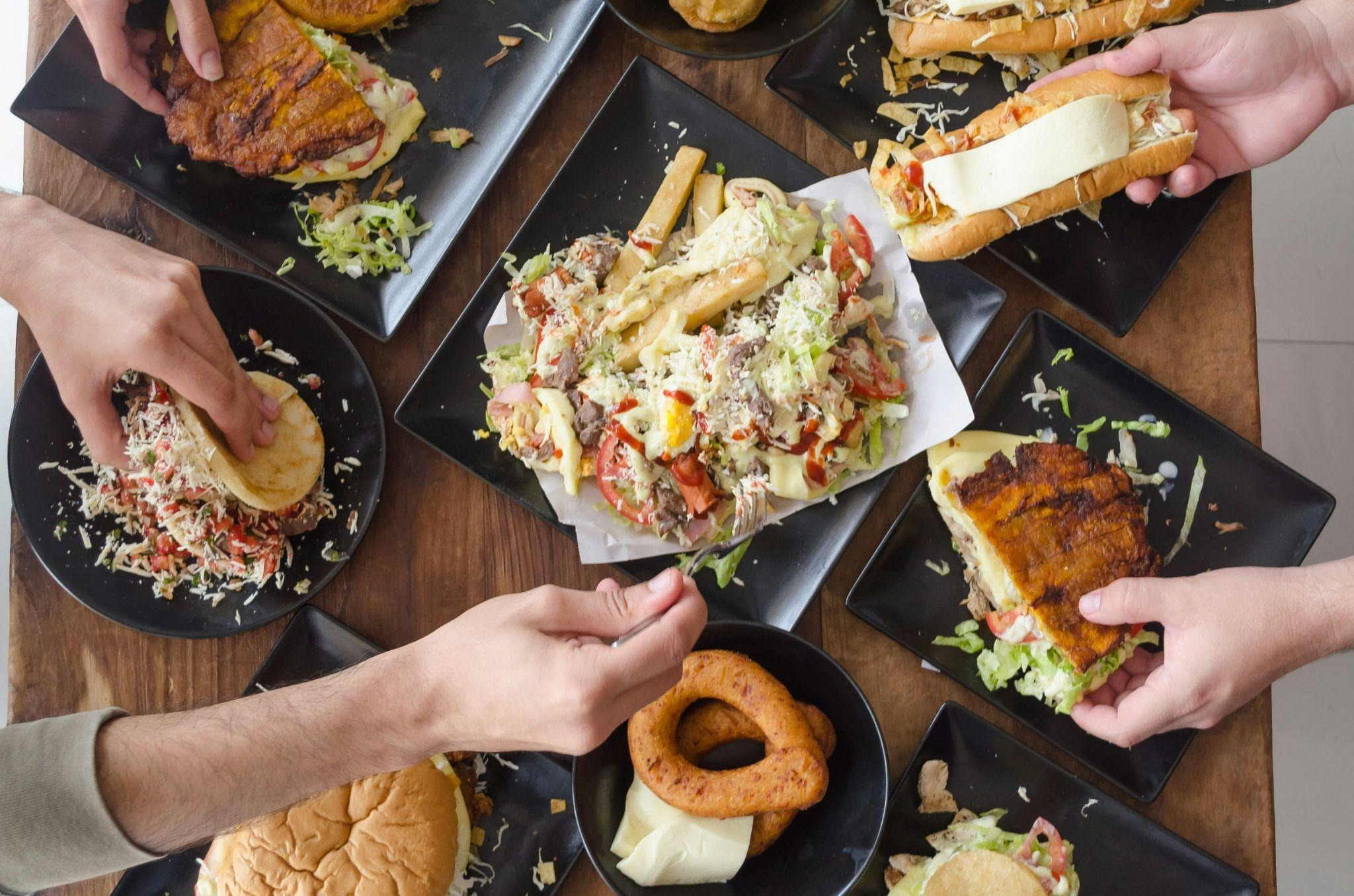
Street food is one of the best parts of traveling, festivals, markets, and busy city weekends. The problem usually is not finding something good to eat. It is stopping yourself from trying everything in the first hour.
A few rich dishes, fried snacks, sweet drinks, and desserts can leave you feeling uncomfortably full long before the day is over. You do not need to skip the foods you came to enjoy. A little pacing can help you taste more without spending the rest of the afternoon regretting it.
Start Smaller Than You Think You Need To
When everything smells good, it is easy to order a full portion at the first stall and then realize there are ten more things you wanted to try. Start with smaller servings when possible, split food with someone else, or choose one item rather than automatically adding sides.
This approach is especially useful if your usual diet is very different from what you are eating that day. People who follow highly restrictive eating patterns may be particularly aware of how sudden dietary changes affect digestion, which is also why understanding the risks associated with carnivore diet can be useful when thinking about how your body responds to a narrow food routine and then a much more varied day of eating.
Street food is easier to enjoy when you treat the day as a series of small tastings rather than one enormous meal followed by several more.
Don’t Eat Every Good Thing the Moment You See It
Markets create urgency. You spot something interesting and immediately think you need to buy it because you might not see it again.
Usually, you have more time than you think.
Walk through at least part of the market before deciding what deserves your appetite. Take note of stalls that look especially good, then circle back. This keeps you from using up most of your appetite on the first decent option.
Spacing food out also lets you notice when you are becoming satisfied. If you eat four things back-to-back before your body has had time to catch up, fullness can arrive all at once.
A short walk between stops is often enough to make the next choice feel deliberate rather than automatic.
Mix Rich Foods With Lighter Choices

Street food often leans toward the indulgent side because those are the dishes that grab attention. Fried dough, fatty meats, cheese-heavy dishes, pastries, and creamy sauces are delicious, but stacking them continuously can become uncomfortable.
Break them up.
If one stop is especially rich, make the next one lighter. Depending on where you are, that could mean grilled meat, fruit, a broth-based dish, vegetables, or something fresh and acidic.
You do not need to create a nutritionally perfect day. You are simply giving your stomach a little variety instead of repeatedly choosing the heaviest possible option.
This also makes individual dishes stand out more. Three intensely rich foods in a row can start tasting surprisingly similar because your palate gets tired.
Be Careful With Drinks Between Stops
What you drink can fill you up faster than expected.
Large sodas, sweet teas, milk-based drinks, cocktails, and thick juices can take up a significant amount of room while you are still planning to sample several foods.
Choose smaller drinks when possible and use water as your default between stops. You can still try a local specialty drink without carrying a giant one for the entire afternoon.
Carbonated drinks can also make some people feel especially full when combined with a lot of food, so pay attention to how they affect you.
Hydration matters even more when the weather is hot or you are walking for hours. Feeling tired, thirsty, and overly full at the same time can turn an enjoyable food day into something you want to end early.
Pick the Foods You Would Actually Regret Missing

Trying everything is rarely realistic.
Instead, decide what makes the place special. If a market is famous for one particular sandwich, dumpling, grilled dish, pastry, or regional specialty, prioritize that before spending your appetite on foods you could easily get somewhere else.
This is particularly helpful while traveling. You probably do not need an ordinary burger just because you saw one before reaching the stall serving something unique to the city.
Prioritizing also removes the pressure to eat for the sake of completing some imaginary checklist.
A good street-food day is not measured by how many stalls you visited. It is measured by whether you enjoyed the things you chose.
Leaving one or two dishes for another visit can actually be better than forcing them down when you are already full.
Know When to Stop and Come Back Later
There is a big difference between pleasantly full and uncomfortable.
Once you stop looking forward to the next bite, take that as useful information. You do not need to keep eating simply because there is more food nearby.
Take a longer break, explore another part of the neighborhood, visit a shop, or continue whatever else you planned for the day. Appetite may return later, and if it does, the next snack will be much more enjoyable.
This is one of the advantages of street food compared with a long restaurant meal: you are not committed to ordering everything at once.
Use that flexibility.
The easiest way to enjoy more food over an entire day is often to eat less at each individual stop. Share portions, walk between stalls, drink water, prioritize the dishes that actually matter, and give yourself permission to stop before you feel stuffed.
Street food is supposed to make the day better, not bring it to an early end.