
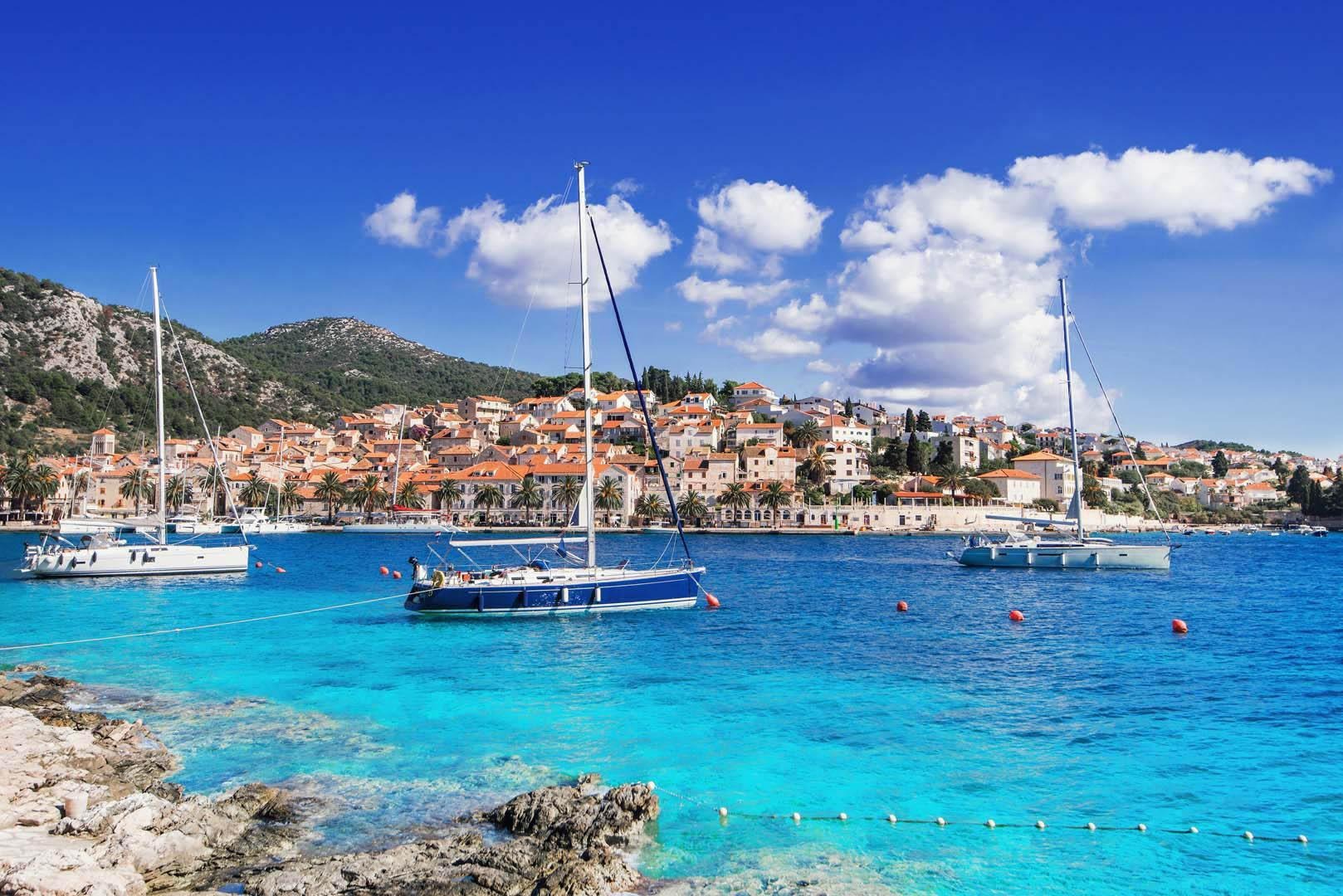
I went to Hvar expecting to write about lavender ice cream and fancy harbor restaurants. I came back with a notebook full of fish stew recipes, an ongoing argument about the correct potato-to-fish ratio, and a mild addiction to a cheap sardine sandwich sold from a hut behind the market. This is a food island, and most visitors never find out.
Start at the market, early
Hvar town has a small produce and fish market tucked away a couple of streets back from the waterfront. Get there before nine. The fishermen unload whatever came up overnight, which in summer means sardines, mackerel, a few sea bream and, if you are lucky, a bucket of small squid that will be gone within the hour.
Nobody speaks much English at that hour and nobody needs to. Point, hold up fingers, pay in coins. Next to the fish there is usually an older woman selling figs, tomatoes still warm from the sun and a jar of something dark that turns out to be homemade carob syrup. That is your breakfast sorted.
Gregada, the dish the island argues about
Ask anyone from Hvar what you should eat and they will say gregada. Then they will tell you their grandmother made it properly and everyone else gets it wrong.
Gregada is a fisherman’s stew, built in layers in a wide pot. Sliced potatoes go on the bottom, then onion, garlic and parsley, then whole pieces of white fish, usually a mix of whatever was cheap that day, with a good glug of olive oil and just enough water and white wine to cook it through. It is not stirred. The whole thing simmers until the potatoes have drunk the fish stock and started to fall apart.
It is not a pretty dish. It arrives pale and steaming with bits of fish bone to navigate. It is also one of the best things I ate this year. The version at a family konoba in the hills above Jelsa cost me about fifteen euros and came with bread that was clearly baked that morning.
Peka: dinner under a bell
The other big one is peka. This is meat or octopus, potatoes, vegetables and a lot of olive oil arranged in a shallow iron pan, covered with a domed lid and buried in embers for a couple of hours. The lamb version is rich and falls off the bone. The octopus version is, honestly, better, with the tentacles going sticky and caramelised at the edges.
Two things to know. First, you have to order peka in advance, often the day before, because it takes so long to cook. Second, the good places are not in town. Drive or take a taxi to a village konoba in the interior, ideally one with a courtyard, a dog and a grandfather in charge of the fire. Humac, an abandoned shepherds’ hamlet with a single restaurant and no electricity, is the one people whisper about.
If you cannot get to a village, a few of the town konobas do a decent peka too, but ask when it was ordered. A peka that has been sitting under the bell waiting for a table is a very different thing from one lifted out of the embers ten minutes ago.
Street food, island style
Hvar does not have a big street food scene in the Bangkok sense, but it has its own version. In the summer months a couple of stalls near the bus station do grilled sardines on bread with a slice of onion and a squeeze of lemon, wrapped in paper, for a few euros. Bakeries sell burek, a flaky spiral of pastry filled with cheese or meat, which is the island’s answer to a breakfast roll and about as filling as one should be.
Look out for paprenjak too, a spiced honey-and-pepper biscuit that Croatian grandmothers have been baking for centuries, and rozata, a caramel custard that appears on every dessert menu and is worth ordering at least once.
There is also a local habit called marenda, a late-morning meal somewhere between breakfast and lunch, usually something simple and cooked, taken by fishermen and builders around ten. If you see a konoba full of working men at that hour, go in. It will be cheap and it will be good.
What to drink with it
Hvar makes wine, and has done for over two thousand years. Plavac Mali is the red, full and slightly wild, and it is what you drink with peka. Bogdanusa is the island’s own white grape, light and a bit herbal, and it belongs next to a plate of gregada. Prosek, a sweet dessert wine that predates prosecco and has nothing to do with it, comes out at the end of the meal whether you asked for it or not.
The local aperitif is a shot of travarica, herb-infused grappa. Accept it. Refusing is considered slightly strange.
Where to go and when
Stari Grad and Jelsa on the north coast are calmer than Hvar town and, in my experience, cheaper and better for food. Vrboska has a couple of waterfront konobas that do a very good black cuttlefish risotto. For planning the whole thing, from ferry times to which villages are worth the drive, I leaned heavily on Hvar.com, which is the island’s own guide and far more useful than the big travel sites for this kind of detail.
Go in June or September if you can. The fish is the same, the tables are easier to get, and the people cooking have more time to talk. On this island, that is half the meal.