
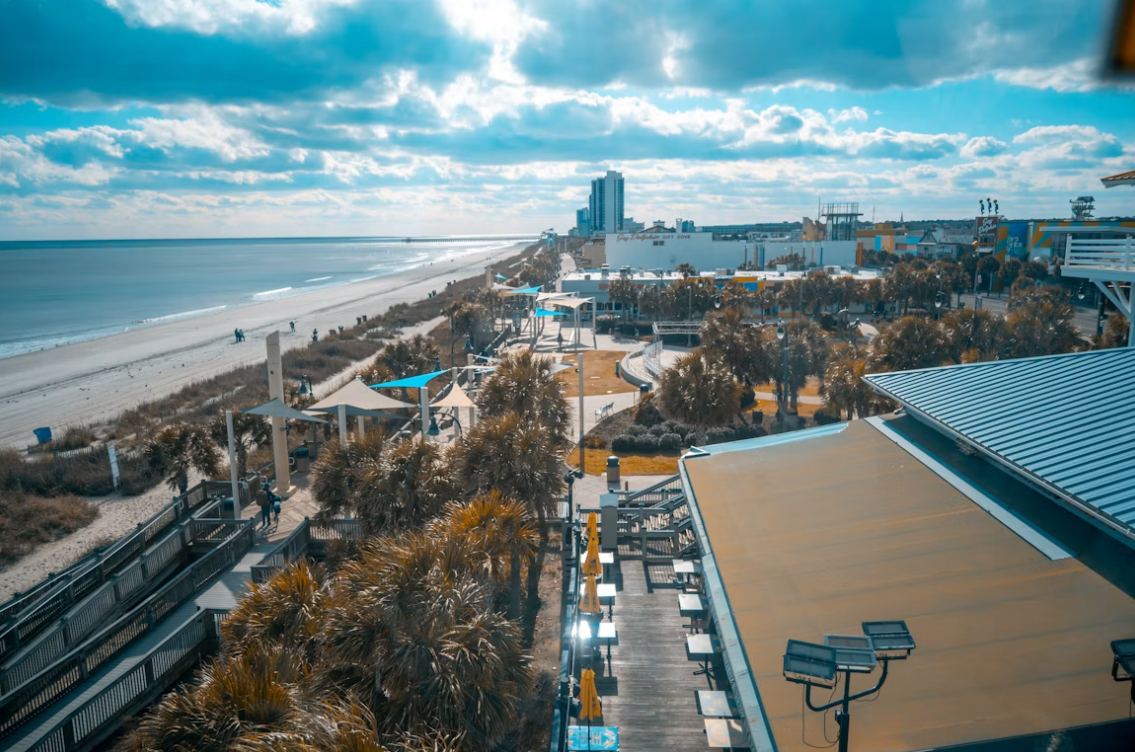
The best waterfront restaurants in Myrtle Beach combine fresh seafood, stunning ocean or inlet views, and a relaxed coastal atmosphere that makes every meal feel like an event. Whether you’re celebrating a special occasion or just want salt air with your shrimp, this city delivers some of the most memorable dining spots on the East Coast.
Key Takeaways
- Myrtle Beach waterfront dining ranges from upscale seafood houses to casual dockside bars, so matching the venue to your occasion matters.
- Reservations are strongly recommended during peak summer months, especially for window or patio seating with direct water views.
- Many waterfront spots offer early-bird pricing or happy hour specials that significantly reduce the cost of dining on the water.
- The location of the restaurant matters as much as the menu: ocean-facing, inlet, Intracoastal Waterway, and marina settings each offer a different experience.
- Parking near popular waterfront venues can be limited during July and August, so plan to arrive early or use nearby public lots.
- Dress codes at most Myrtle Beach waterfront restaurants are casual to smart-casual, making them accessible for families and solo diners alike.
Why Dining on the Water in Myrtle Beach Hits Different
There is something about eating fresh-caught fish while watching boats drift past that elevates an otherwise ordinary Tuesday night. Myrtle Beach sits along the Grand Strand, a 60-mile stretch of Atlantic coastline that creates a natural framework for waterfront dining in every direction. You have ocean-facing decks along the main beachfront strip, quieter inlet spots tucked behind North Myrtle Beach, and a series of marina and Intracoastal Waterway restaurants that attract both locals and visitors year-round.
The variety here is real. You are not choosing between two or three spots and calling it a day. The waterfront dining scene spans everything from casual fish shacks where you order at a counter to full-service restaurants with raw bars, wine lists, and tasting menus built around seasonal catches. That range means the decision is less about whether you can find something good and more about figuring out which type of experience fits your group, your budget, and your expectations for the evening.
Temperature also plays a role. Myrtle Beach sits in a subtropical climate zone, which means outdoor waterfront seating is genuinely pleasant for a longer window than most beach destinations further north. Spring evenings in April and October sunsets both offer comfortable conditions for patio dining without the humidity that peaks in mid-July.
The Different Types of Waterfront Settings and What Each Offers
Before you commit to a reservation, it helps to understand that “waterfront” means different things in different parts of Myrtle Beach. Each setting has genuine trade-offs worth knowing.
Ocean-Facing Restaurants on the Strip
These are the spots right on or just off the main beachfront, typically with decks that look directly over the Atlantic. The views are dramatic, especially at sunrise and sunset, but they tend to come with higher foot traffic, louder ambient noise, and prices that reflect the real estate. If you want a classic beach vacation dining experience with waves in your sightline, this is where to look. The trade-off is that you are often competing with heavy tourist crowds from June through August.
Inlet and Creek Dining
Areas like Murrells Inlet, located about 15 miles south of the main Myrtle Beach strip, have built a reputation as the Seafood Capital of South Carolina. The inlet setting is quieter and more intimate than the beachfront. Restaurants here tend to source very locally, and many have covered docks that jut directly over the water. The atmosphere skews slightly more local, which many visitors prefer. A stretch of restaurants along the Murrells Inlet Marshwalk gives you the option to walk between multiple spots in a single evening, which is practical if you want appetizers at one place and a main course at another.
Intracoastal Waterway and Marina Spots
The Intracoastal Waterway runs parallel to the coast and passes through Myrtle Beach, creating a second tier of waterfront dining that is distinct from the beachfront. Marina restaurants along the waterway attract boaters who dock and dine, which adds a certain energy that is hard to replicate elsewhere. These spots tend to be slightly less crowded than ocean-facing options and often offer better value per dollar spent. If you are staying inland and want water views without fighting beach traffic, an Intracoastal restaurant is often the smartest choice.
For a broader breakdown of what each area offers, the guide to waterfront restaurants Myrtle Beach covers the geography and specific dining corridors in useful detail.
What to Actually Order: Menu Categories Worth Prioritizing
Knowing what to eat at a waterfront restaurant in Myrtle Beach is as important as knowing where to sit. The region has specific culinary strengths, and ordering outside those strengths at a mediocre price point is a common mistake visitors make.
She-crab soup is a Lowcountry staple that most reputable waterfront spots in this area serve. A well-made version is rich, slightly briny, and finished with dry sherry. If a restaurant has a watery or overly thickened version, that is usually a reliable signal about the overall kitchen quality.
Fresh-catch fish is the other non-negotiable. Ask your server what came in that morning or that week. Flounder, grouper, and mahi-mahi are common regional catches. Any competent waterfront restaurant should be able to answer that question with specificity. If the answer is vague, adjust your order accordingly.
Raw bar selections including oysters, clams, and shrimp cocktail are widely available and tend to be priced fairly competitively compared to northern coastal cities. A dozen oysters in Myrtle Beach at a reputable raw bar is often a better value than the equivalent in Charleston or Savannah.
Comparing the Top Waterfront Dining Zones: A Quick Breakdown
| Zone | Best For | Typical Price Range (Per Person) | Crowd Level (Summer) |
| Main Beach Strip | Views, tourist atmosphere | $25 to $60 | Very High |
| Murrells Inlet | Fresh local seafood, local vibe | $20 to $50 | Moderate |
| Intracoastal Waterway | Value, boating atmosphere | $18 to $45 | Low to Moderate |
| North Myrtle Beach Inlet | Quieter dining, sunsets | $22 to $55 | Moderate |
These price ranges reflect typical entree and drink costs per person before tip and tax. Fine dining outliers exist in every zone and can push significantly higher.
Practical Tips for Getting the Most Out of Waterfront Dining Here
Getting a great meal at a waterfront restaurant in Myrtle Beach requires a little strategy, especially if you are visiting between Memorial Day and Labor Day.
Book a specific table, not just a reservation. When you call or book online, ask specifically for outdoor patio seating or a window table. Many restaurants hold a percentage of prime seats for walk-ins or for guests who ask directly. If you just book a table without specifying, you may end up with a water view from 40 feet inside the dining room.
Aim for weekday evenings. Friday and Saturday nights at any popular waterfront spot during summer can mean 45-minute to over-an-hour waits even with a reservation, due to table turnover pacing. Wednesday and Thursday evenings offer the same menu with noticeably less friction.
Use happy hour strategically. A significant number of waterfront restaurants on the Grand Strand run happy hour specials from roughly 4:00 PM to 6:00 PM that include discounted raw bar items, half-price appetizers, and reduced-price drinks. Arriving during this window, especially on a weekday, can reduce your total bill by 20 to 30 percent while securing prime outdoor seating before the dinner rush.
Check parking before you go. Restaurants on the main strip rarely have private lots that accommodate large volumes of guests. Public parking garages near the beachfront typically charge $2 to $5 per hour. Murrells Inlet restaurants along the Marshwalk share a large free lot, which is one of several logistical advantages that area has over the main strip.
How to Evaluate a Waterfront Restaurant Before You Commit
Not every restaurant with a deck and a water view earns the label “worth your time.” Here is a practical framework for evaluating options before making a reservation.
Read recent reviews, not aggregate scores. A restaurant with a 4.2-star average rating based on 800 reviews tells you less than 15 reviews written in the past three months. Look specifically for comments about the freshness of seafood, the speed of service during busy periods, and whether the view from your specific seating area is as advertised.
Look at the menu structure. A waterfront restaurant that leads with landlocked comfort food and buries the seafood at the bottom of the menu is usually not built around its coastal identity. The best spots treat local fish as the centerpiece, not an afterthought.
Check whether they have a liquor license. Some smaller inlet and creek spots are BYOB or beer-and-wine only. This is not a dealbreaker, but it is worth knowing before you show up expecting a full cocktail menu.
Ask about sourcing. Any waterfront restaurant worth its salt should be able to tell you where its fish comes from. If the answer is a broad regional distributor rather than a named local supplier or fishing operation, that matters.
Seasonal Considerations for Waterfront Dining in Myrtle Beach
Myrtle Beach is a year-round destination, but the waterfront dining experience shifts meaningfully across seasons.
Summer (June through August) brings peak crowds, full menus, extended hours, and live music at many waterfront venues. It is also the most expensive and logistically demanding time to dine. If you visit in summer, build flexibility into your schedule and resist the urge to lock in only one option per evening.
Fall (September through November) is arguably the best season for waterfront dining. Crowds drop substantially after Labor Day, temperatures remain comfortable through October, and many restaurants run promotional pricing to maintain traffic. This is when locals tend to eat out more frequently, which is often a reliable proxy for value and quality.
Winter (December through February) sees some waterfront restaurants reduce their hours significantly or close their outdoor sections entirely. A smaller number close seasonally. If you are visiting in winter, call ahead and confirm hours rather than relying on posted schedules online.
Spring (March through May) is a transitional period that combines improving weather with manageable crowds. Spring break in March brings some surge in visitors, but the weeks before and after tend to be quiet and pleasant for outdoor dining.
The best waterfront restaurants in Myrtle Beach tend to manage these seasonal swings well, keeping their core menu consistent while adjusting staffing and specials to match the demand cycle.
Things to Know
- Many waterfront restaurants in Myrtle Beach add an automatic gratuity of 18 to 20 percent for parties of six or more, so check your bill before adding an additional tip.
- The Murrells Inlet Marshwalk is a public boardwalk, meaning you can walk the strip and browse menus posted outside before committing to a table, which is a significant advantage over strip restaurants where you commit before seeing the full setup.
- Some oceanfront restaurants on the main strip charge a “view fee” or “deck fee” built into menu pricing, meaning the same dish can cost $4 to $8 more than the identical item at an inland location of the same chain.
- Dress codes at virtually all Myrtle Beach waterfront restaurants are casual, but flip-flops and swimwear without a cover-up are discouraged at the more upscale spots, particularly after 6:00 PM.
- If you have a shellfish allergy, always confirm with your server whether shared fryers are used, as many kitchens fry shrimp, oysters, and calamari in the same oil as non-shellfish items.
- Gift cards for popular waterfront spots are widely available and can be a cost-effective way to budget a meal in advance, especially if you purchase them through third-party discount platforms before your trip.
Frequently Asked Questions
What is the best time of year to visit waterfront restaurants in Myrtle Beach for the least crowded experience?
The best time to visit is September through early November, when summer crowds have thinned, but temperatures remain comfortable for outdoor dining.
Are waterfront restaurants in Myrtle Beach family-friendly?
Most waterfront restaurants in Myrtle Beach are very family-friendly, with dedicated kids’ menus, casual dress codes, and outdoor seating that makes it easier to manage younger children.
How far in advance should I make a reservation at a waterfront restaurant during summer?
During June, July, and August, you should book at least three to five days in advance for popular waterfront spots, and ideally a week or more for Friday and Saturday evenings.
Is it worth paying more for an ocean-view table versus an inlet or waterway restaurant?
It depends on what you value: ocean-facing tables offer dramatic open-water views, but inlet and waterway restaurants often deliver fresher seafood, lower prices, and a more authentic local atmosphere.
Do waterfront restaurants in Myrtle Beach typically offer gluten-free or dietary-restricted menu options?
Most established waterfront restaurants in Myrtle Beach offer at least some gluten-free options, particularly grilled or broiled seafood dishes, but the depth of accommodation varies significantly by restaurant.