
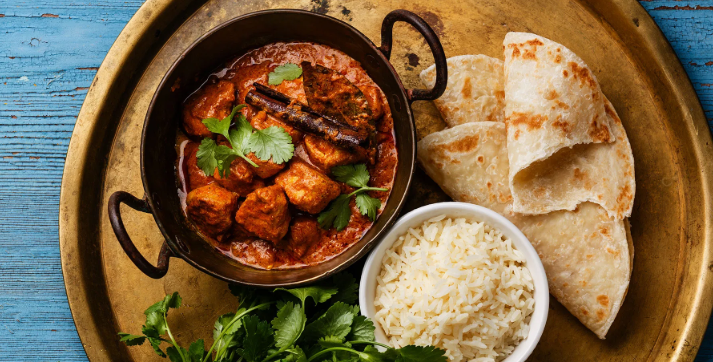
My first Indian restaurant order was a disaster, and not in the fun way. I pointed at something on the menu with a red chili icon, ignored every warning from the waiter, and spent the next forty minutes drinking water like it was a competitive sport. That plate taught me more than any guide ever did: the cuisine isn’t one flavor, it’s a hundred, and picking the right entry point matters.
Here’s the good news. You don’t need to know what garam masala is or how to pronounce vindaloo before your first bite. You just need a short list of dishes that forgive inexperience. This is that list, built for people who love street food and want to eat their way in rather than study their way in.
Why Indian food overwhelms newcomers (and why that’s fixable)
Part of the intimidation is real. Indian cooking layers spices in combinations that don’t exist in most Western kitchens, and a menu can run to fifteen curries with names that all blur together after the third one. If you grew up on salt, pepper, and maybe a little paprika, that wall of unfamiliar words feels like a test you didn’t study for.
The other part is just reputation. People hear “Indian” and think “hot,” when the truth is that heat is one dial among many. Plenty of classic dishes sit at mild or medium and lean on cream, tomato, butter, or lentils for their character. Spice level is a setting, not a personality trait.
Once you internalize that, ordering gets a lot easier. Indian food culture also runs deeper than most people realize. The culinary traditions of the subcontinent are recognized by UNESCO as part of the world’s intangible cultural heritage, which tells you something about how seriously this food is treated. You’re not just picking a meal. You’re stepping into a centuries-old conversation.
Start mild: the four dishes that never scare anyone
If you want a first order that lands safely, build it from these. They’re creamy, aromatic, and low on heat, and they show up on almost every Indian menu in the world.
- Butter chicken (murgh makhani). Tender chicken in a tomato and butter sauce with a gentle warmth. This is the dish that converts skeptics, and I’d pick it as your very first order without hesitating.
- Chicken tikka masala. Similar family, slightly smokier. The chicken is usually marinated and charred before it hits the sauce.
- Saag paneer. Spinach and firm cheese cubes. Vegetarian, filling, and mild enough for a kid’s palate.
- Channa masala. Chickpeas in a spiced tomato gravy. Cheap, hearty, and vegan by default.
Notice what these have in common: they’re all sauce-forward. Sauce is your friend when you’re new, because it lets you control how much flavor hits each bite of rice or bread. Speaking of which, order naan. Always order naan.
How to read spice without getting burned
Menus lie, but not on purpose. A chili icon on one restaurant’s menu might mean “noticeable” and on another’s mean “call your doctor.” The trick is to ask a specific question: “Which of these dishes is mild enough that someone who doesn’t eat spicy food would still enjoy it?” Vague questions get vague answers. That one gets you a real recommendation.
You can also order a cooling side on purpose. Raita, the yogurt and cucumber dip, neutralizes heat faster than water ever will, and it’s cheap insurance for a table that includes one adventurous eater and one cautious one. If dairy isn’t your thing, plain basmati rice does the same job.
Food safety around prepared meals is one more thing worth a quick look if you’re buying packaged curries or frozen entrees rather than eating out. The Food Safety and Inspection Service maintains plain-language guidance on handling and reheating prepared foods, and it’s worth five minutes before you stock your freezer.
A short practical order for your first visit
Walk in and say this: one butter chicken, one channa masala, one order of naan, one rice, one raita. That feeds two people comfortably, covers a meat eater and a vegetarian, and gives you a mild anchor plus a slightly more adventurous second dish to compare against.
Eat the mild one first. Seriously. Your palate calibrates as you go, and starting hot means everything after tastes like nothing.
If you’d rather cook than order
The same logic applies at home, just slower. Start with a lentil dish, since lentils are forgiving and the spice blend does most of the work for you. Move to a tomato-based curry next, because the sauce is hard to ruin. Save anything with a “vindaloo” in the name for month three, when your taste buds have earned it. If you’re sourcing ready-made versions, places that stock indian dishes for beginners give you a genuinely useful shortcut, since mild, medium, and hot versions of the same dish sit side by side and you can taste the difference in one sitting.
The five spice cabinet additions worth owning
You don’t need fifteen jars. You need a small, honest starting set, and you should buy them whole where you can because ground spices go flat fast.
- Cumin, the earthy backbone of most curries.
- Coriander, citrusy and mild, and the reason “warm” isn’t the same as “hot.”
- Turmeric, which colors everything gold and tastes far gentler than it smells.
- Garam masala, a finishing blend you add near the end, not the start.
- Kashmiri chili powder, which brings deep red color without wrecking your mouth.
That last one is the secret weapon most beginners miss. It’s how restaurant curries get that dramatic color while staying mild, and once you know it, you’ll spot it in every good recipe. Labeling rules for packaged spices are handled by the Food and Drug Administration, so if you want to know exactly what’s in a jar, the label will tell you.
What to try once you’re comfortable
Give it a couple of meals, then branch out. Chicken curry is the natural next step. Lentil dishes like dal deepen your understanding of how filling vegetarian Indian food can be. Samosas make a great snack while you decide. And when you’re finally ready for heat, vindaloo will be waiting, and it will absolutely still humble you. That’s fine. That’s the point.
Indian food rewards curiosity more than caution, but only if you sequence it right. Start mild, ask one good question, keep a cooling side nearby, and let your palate do the rest. Your first order doesn’t have to be brave. It just has to be good, and then the second order gets braver on its own. So what’s going on your plate first?