
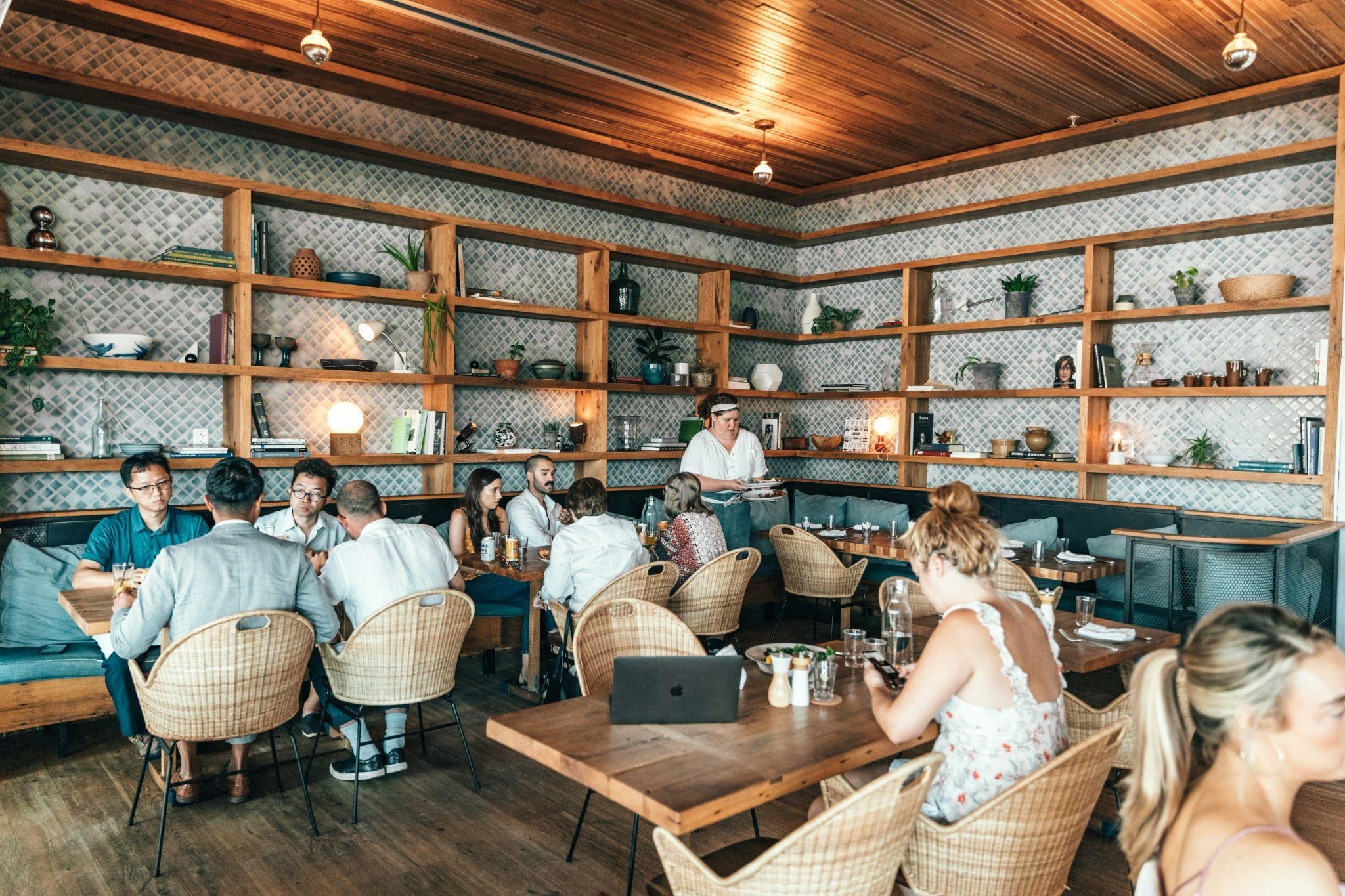
For many travelers, discovering local restaurants is one of the most enjoyable parts of exploring an unfamiliar destination. While famous landmarks and popular attractions often shape travel itineraries, a memorable meal can become an equally important part of the experience.
What makes a restaurant special, however, extends beyond the food itself. Interior design, attentive service, regional traditions, and the atmosphere created by small decorative details can all influence how visitors remember a particular establishment.
Independent restaurants have an opportunity to offer experiences that feel closely connected to their surroundings. Unlike standardized dining chains, they can express local identity through architecture, ingredients, storytelling, and personalized hospitality.
Understanding these less obvious details reveals why certain restaurants leave lasting impressions. From thoughtfully decorated dining rooms to meaningful interactions with staff, the most memorable dining experiences often emerge from elements that travelers initially overlook.
Interior Design That Reflects Local Character
A restaurant’s interior can shape the dining experience before guests even examine the menu. Colors, textures, furniture, and decorative details contribute to the atmosphere and help establish a distinctive identity.
Travelers often appreciate establishments that reflect regional architecture, artistic traditions, or the personality of the surrounding community. A coastal restaurant might feature natural textures and light colors, while a countryside dining room could incorporate warm wood and botanical decorations.
Decorative wall coverings offer another opportunity to create an inviting atmosphere. For example, botanical wallpaper can introduce floral patterns and nature-inspired details that complement restaurants emphasizing seasonal cuisine, garden settings, or relaxed dining experiences.
Carefully selected wallpaper can also establish a memorable focal point, especially when coordinated with lighting, upholstery, and table decorations.
When these elements work together, the interior becomes part of the restaurant’s story and provides travelers with a distinctive setting they can associate with their visit.
Menus That Celebrate Regional Ingredients and Traditions

Food remains central to the restaurant experience, but the stories behind individual dishes can make meals more meaningful.
Travelers frequently seek opportunities to discover ingredients, recipes, and cooking methods associated with a particular destination.
Independent restaurants can highlight these connections through seasonal menus and dishes inspired by local culinary traditions.
For example, a restaurant in a farming region might feature vegetables sourced from nearby producers, while a coastal establishment could emphasize regional seafood specialties.
Menu descriptions can provide useful context without becoming unnecessarily complicated. Explaining a dish’s traditional preparation or identifying an important local ingredient can deepen the customer’s appreciation.
Restaurants that maintain relationships with regional suppliers may also develop distinctive offerings unavailable at larger chains.
These details allow travelers to experience a destination through its food culture while supporting businesses connected to the local community.
Small Hospitality Gestures That Guests Remember
Customer service can influence how travelers remember a restaurant long after the meal has ended.
Friendly greetings, attentive communication, and thoughtful recommendations help guests feel comfortable in unfamiliar surroundings.
Independent restaurants often have opportunities to create personal interactions that extend beyond standard service procedures.
A server who explains an unfamiliar local dish or recommends a regional specialty can make the dining experience more engaging.
Remembering dietary preferences and responding helpfully to questions also contributes to a positive impression.
Hospitality does not necessarily require elaborate gestures. Offering clear directions, providing useful information about the neighborhood, or simply maintaining a welcoming attitude can make a difference.
Travelers may especially appreciate recommendations that introduce them to local attractions or experiences they had not previously considered.
These interactions encourage visitors to remember the people associated with the meal, rather than focusing exclusively on the food.
Lighting and Music That Create the Right Atmosphere
The atmosphere is influenced by sensory details that guests may not consciously notice. Lighting and music are particularly important because they shape how comfortable and inviting a restaurant feels.
Warm, carefully positioned lighting can make evening meals feel relaxed and intimate. Natural daylight may be more appropriate for cafés and casual restaurants serving breakfast or lunch.
The ideal arrangement depends on the establishment’s dining style, architecture, and intended experience.
Music contributes another layer of personality. Some restaurants feature traditional regional music, while others prefer contemporary instrumental selections.
Volume deserves attention because guests generally appreciate being able to converse comfortably.
Coordinating lighting and music with the restaurant’s design helps establish a consistent atmosphere.
For travelers, these subtle choices can become part of the memory associated with a particular meal, especially when they reflect the destination’s cultural character.
Authentic Details That Reveal a Restaurant’s Story

Many memorable local restaurants have distinctive histories connected to families, neighborhoods, or regional traditions.
Sharing these stories can help travelers develop a stronger connection with the establishment.
Old photographs, historical decorations, and carefully preserved architectural features may reveal how a restaurant has evolved over time.
Some establishments display information about the founders or explain the origins of signature dishes.
Others celebrate local artists through paintings, ceramics, or handmade decorative objects.
These details introduce personality while giving guests opportunities to learn about the surrounding community.
Authenticity also comes through everyday practices, including traditional preparation methods and familiar relationships with local suppliers.
Restaurants do not need lengthy historical narratives to communicate their identities.
A few meaningful details, presented naturally, can make the dining experience feel connected to something larger than an individual meal.
Why Memorable Dining Experiences Inspire Return Visits
Travelers often remember restaurants through a combination of flavors, surroundings, and personal experiences.
A beautifully prepared dish may attract initial attention, but welcoming service and a distinctive atmosphere can make the overall visit more memorable.
Independent restaurants benefit when these elements remain consistent across different occasions.
Clear menus, comfortable seating, dependable food quality, and attentive staff all contribute to positive expectations.
Guests who enjoy their experiences may recommend the establishment to friends or mention it when sharing travel stories.
Online reviews and photographs can introduce the restaurant to future visitors, particularly when they highlight its unique character.
However, lasting recognition develops through the actual experience provided to guests.
Ultimately, the hidden details that distinguish local restaurants involve more than decorative choices or individual menu items. They reflect the thoughtful combination of hospitality, cultural identity, culinary creativity, and atmosphere.
When these qualities complement one another, a restaurant becomes more than a convenient place to eat. It becomes a memorable part of the journey, giving travelers another reason to appreciate the destination and perhaps return one day.