
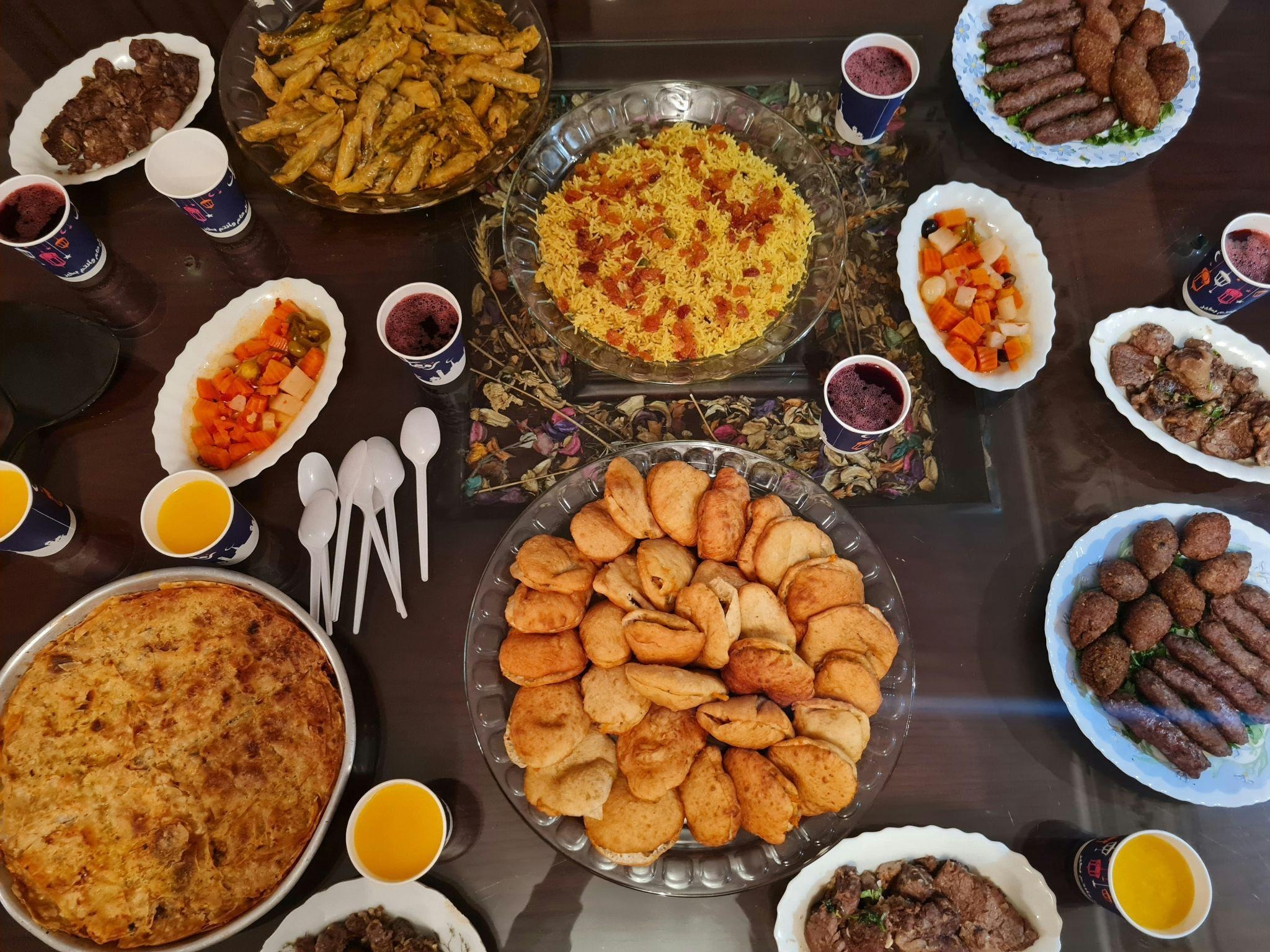
A restaurant begins making an impression long before the first plate reaches the table. The entrance, smell of the room, condition of the floors, lighting, seating, staff greeting, and even how clearly the dining area is organized can influence whether guests immediately feel comfortable.
That matters in halal restaurants just as much as anywhere else. Diners may arrive because they trust the menu, appreciate the cuisine, or want somewhere suitable for family and friends, but the overall experience determines whether they want to stay longer and return.
The strongest restaurants understand that hospitality is built from small details. Good food remains essential, but when the environment already feels clean, calm, and well managed, guests begin the meal with confidence instead of noticing distractions around them.
Clean Floors Quietly Set the Standard
Floors are one of the first things guests see, particularly around entrances, waiting areas, and routes between tables. Dirt, crumbs, or debris can make an otherwise attractive dining room feel neglected, especially during busy periods when foot traffic is constant. Restaurants managing larger floor areas can use resources from SweepScrub to understand how commercial sweeping equipment can help handle routine debris removal more efficiently.
The key is maintaining the room throughout service rather than relying only on cleaning before opening and after closing. Small spills should be dealt with quickly, entrance areas may need extra attention during bad weather, and routes to restrooms should remain presentable even after several hours of service.
Guests rarely praise a clean floor directly. They simply register the restaurant as somewhere that feels cared for.
The Entrance Should Make the Next Step Obvious
A confusing entrance can create awkwardness immediately. Guests walk in and hesitate because they are unsure whether to wait, find their own table, place an order at a counter, or speak to someone first.
Good restaurants remove that uncertainty. Staff acknowledge arrivals quickly, signage is clear when needed, and the layout naturally guides people toward the next step.
This becomes even more important during busy periods. A crowded entrance can feel chaotic if takeaway customers, delivery drivers, and dine-in guests all occupy the same small space without clear organization.
Even a brief greeting helps. Guests are much more patient when they know they have been noticed.
The arrival experience does not need to be formal. It simply needs to feel intentional.
Seating Should Work for the People Who Actually Visit

Halal restaurants often serve a broad mix of customers, including couples, families, groups of friends, and larger gatherings. A dining room built almost entirely around two-person tables may therefore feel inconvenient even if it looks stylish.
Flexible seating can make a major difference. Tables that can be combined easily allow staff to accommodate different group sizes without making the room feel constantly rearranged.
Comfort matters too. Chairs should be sturdy, tables should not wobble, and there should be enough space for people to sit without repeatedly bumping neighboring diners.
Families may also appreciate practical details such as room for high chairs or enough space around a table for children without blocking main walkways.
The best layout does not maximize the number of seats at any cost. It gives the restaurant enough capacity while still allowing guests to feel that their table has its own space.
Lighting and Noise Shape the Mood More Than Decor
Restaurants often invest heavily in visible design features while overlooking two things that affect comfort continuously: lighting and sound.
Lighting should match the style of the restaurant without making menus difficult to read. Very bright rooms can feel harsh during an evening meal, while overly dark spaces can make a casual family restaurant feel unnecessarily formal.
Noise works in a similar way. A busy restaurant should feel lively, but hard surfaces, loud music, scraping chairs, and conversations bouncing around the room can quickly make the atmosphere exhausting.
The goal is not silence. It is keeping the energy of the room at a level where people can talk comfortably.
Simple layout choices, softer furnishings, sensible music volume, and attention to where noisy service areas are positioned can all improve the experience without changing the menu at all.
Clean Restrooms Reinforce Trust
Guests may spend only a few minutes in the restroom, but its condition can influence how they think about the entire restaurant.
Empty soap dispensers, overflowing bins, wet floors, damaged locks, or unpleasant odors suggest that areas away from the dining room receive less attention. That impression can be especially damaging because guests naturally connect cleanliness with broader standards throughout the business.
Regular checks during service are more useful than waiting for someone to complain. Staff can monitor supplies, deal with visible problems, and report anything requiring repair.
The path to the restroom matters as well. Storage boxes, cleaning equipment, or service clutter should not turn part of the customer journey into a back-of-house experience.
A well-maintained restroom does not need elaborate decoration. Clean, functional, and properly stocked is enough.
Service Should Feel Warm Without Feeling Rushed

Guests usually notice staff energy before they notice minor design details. A friendly greeting, clear explanation, and calm response to questions can make even a simple restaurant feel welcoming.
Rushed service feels very different from efficient service. Efficiency means orders move smoothly and guests are not left wondering what is happening. Rushing makes people feel as though the restaurant wants the table back before the meal has properly started.
Staff should also be comfortable explaining the menu. Diners may have questions about dishes, ingredients, spice levels, portion sizes, or unfamiliar regional specialties. Clear answers make ordering easier and can encourage people to try something new.
When mistakes happen, the response matters more than pretending they never occur. A straightforward correction can preserve a positive experience.
Good hospitality often feels effortless to the guest precisely because the work behind it is organized.
Smell Should Come From the Kitchen, Not the Building
Food aromas can be one of the best parts of entering a restaurant. The smell of grilled meat, spices, fresh bread, or slow-cooked dishes can immediately build anticipation.
Other smells do the opposite.
Stale air, cleaning chemicals, bins, damp flooring, or poorly ventilated restrooms can dominate the room before diners even see the menu. Ventilation therefore deserves as much attention as visible cleanliness.
Entrance areas and soft furnishings can also hold odors over time, particularly in busy restaurants. Regular maintenance helps prevent the room from developing a smell that staff may stop noticing because they are there every day.
Fresh air and good ventilation allow the food to remain the strongest sensory impression.
That is exactly what diners should notice.
Small Details Decide Whether Guests Return
A memorable restaurant experience is rarely created by one spectacular feature. It is usually the result of many ordinary things being handled consistently well.
The floor is clean. Someone welcomes guests when they arrive. The table is comfortable. The lighting feels right. The room is lively without being overwhelming. Restrooms are maintained, and staff seem organized rather than stressed.
None of those details can replace good food, but they determine the environment in which that food is experienced.
That is why some halal restaurants feel better before anything has even arrived at the table. Guests are responding to signals that the business is attentive, comfortable, and professionally run.
When those details are right, people can stop evaluating the room and start enjoying the meal.