
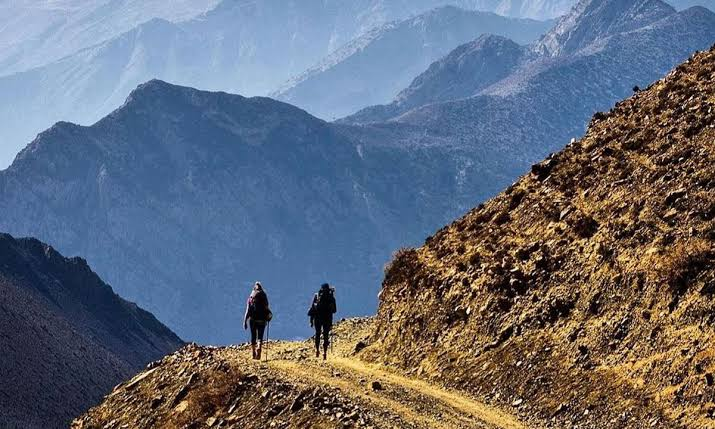
Ask anyone who’s planned a long trek for the first time, and the two questions that come up before anything else are usually the same: where am I going to sleep, and what am I actually going to eat, out there, for two or three weeks straight? On the Annapurna Circuit trek route, the honest answer is more reassuring than most people expect. This isn’t a self-supported wilderness route where you’re pitching a tent every night and rationing dehydrated meals. Most of the trail runs through a long chain of villages, each with its own teahouses, lodges and guesthouses that have been feeding and housing trekkers for decades.
Food and a bed are available almost everywhere along the established route — what changes, as you climb higher and the villages get smaller, is how much choice you actually have. Down near Besisahar things feel almost like a normal guesthouse trip. Up near Thorong La, comfort gets stripped back to basics. This guide walks through what to realistically expect at each stage, so you can plan sensibly instead of guessing.
What Accommodation Is Like on the Annapurna Circuit
The Annapurna Circuit runs on what’s usually called teahouse trekking — a system where independent, family-run lodges line the trail and take in trekkers night after night, in exchange for you eating dinner and breakfast there too. It works well in practice, but it helps to know exactly what you’re walking into.
Teahouses, Lodges, and Guesthouses
Most teahouses offer private twin rooms, sometimes with a double bed available too, and pretty much always with two proper mattresses to sleep on. Whether the room actually feels warm is another matter — walls are often thin plywood, and lower villages tend to have sturdier, better-insulated buildings than the ones higher up. Bathrooms are frequently shared, especially past the mid-route villages, and a private attached bathroom becomes something you ask about rather than assume. The dining room is really where the evening happens: trekkers gather around a wood stove, order food, and swap stories about the day’s walk. None of this should be measured against a city hotel — it’s a different kind of hospitality, built for a mountain trail, not a resort.
How Accommodation Changes With Altitude
Down around Besisahar and Dharapani, lodges tend to have more rooms, sturdier construction and a wider range of small comforts. By the time you reach Chame, Pisang and Manang, things are still solid but noticeably simpler — Manang in particular has grown into a fairly well-equipped stop because so many trekkers pause there. Push on to Yak Kharka or Thorong Phedi and the choices thin out fast; a handful of lodges serve everyone heading toward the pass, and rooms get colder and smaller. Once you’re over Thorong La and dropping into Muktinath and Jomsom, accommodation actually improves again, partly because the Mustang side sees more year-round traffic.
What Food Can You Eat During Annapurna Circuit Trekking?
Food along the circuit isn’t fancy, and it isn’t meant to be. What matters on a trekking day is that the meal is hot, filling, and gives you enough energy to keep walking uphill for six or seven hours.
Dal Bhat and Other Filling Trekking Meals
Dal bhat shows up on pretty much every teahouse menu, and there’s a good reason it’s become the trekker’s staple: rice, lentil soup, a vegetable curry and usually a side of pickle or greens, often with a refill offered without you even asking. It’s cheap to prepare from local ingredients, and it sits well in your stomach during a long climb. Beyond dal bhat, menus usually run through fried rice, noodles, basic pasta, potato dishes in a few forms, soup, and momos — the Nepali dumplings you’ll see everywhere from Kathmandu to the high villages. Breakfast tends to mean eggs cooked a few different ways, porridge, pancakes, or Tibetan bread, all reliable ways to load up on carbohydrates before a cold morning start.
Food at Higher Elevations
Once you’re above Manang, don’t expect the same variety. Fresh vegetables get harder to bring in, and a lot of lodges simplify their menu to whatever travels well and cooks quickly at altitude. Honestly, this is fine — a plain bowl of noodle soup at 4,000 metres tastes better than it has any right to. What matters more than variety at that point is eating enough and drinking regularly, since appetite often drops the higher you go. Smaller, more frequent meals tend to work better than forcing down a big plate if your stomach isn’t cooperating.
Vegetarian, Vegan, and Special Diets
Vegetarian food is genuinely easy to find on this route — dal bhat itself is usually vegetarian by default, and most menus carry plenty of meat-free options anyway. Vegan travellers and anyone with allergies need to be more deliberate about it, explaining clearly what they can’t eat rather than assuming the kitchen will catch it. In smaller, more remote lodges, don’t count on every specialised request being possible; it’s better to ask ahead and carry a backup snack than to expect every teahouse to accommodate every diet.
Drinking Water and Food Hygiene on the Trek
Can you actually drink the water on the Annapurna Circuit? Not straight from a stream, no — untreated water, however clear it looks coming off the mountain, shouldn’t be trusted. Most trekkers rely on one of three approaches: buying bottled water at each lodge, asking for boiled water, or refilling from a tap or tank and treating it themselves with purification tablets or a filter. A reliable purification method is worth carrying as backup even if you plan to buy bottled water most days, because supply isn’t guaranteed everywhere.
On the food side, stick to freshly cooked, hot dishes, wash your hands before eating, and be a little cautious with anything that looks like it’s been sitting out for a while. It’s also worth thinking about the plastic problem — bottled water adds up to a lot of waste on a route with no real recycling system, which is part of why more lodges now sell boiled or filtered water instead. A stomach bug at altitude, combined with the physical demand of daily walking, can turn into a much bigger problem than it would at sea level, so hygiene here isn’t just a minor detail.
How Much Does Food and Accommodation Cost on the Annapurna Circuit?
It’s tempting to ask for a single daily figure, but that number would be misleading — costs shift a lot depending on where you are on the trail, what kind of room you want, and how many extras you add on.
What Determines Your Daily Spending?
A few things drive the real cost more than anything else: the village and its altitude, the type of room you book, what you order for meals, how many hot drinks or snacks you add through the day, whether you’re buying bottled or treated water, and small extras like a hot shower or charging your phone.
| Expense | What affects the cost |
| Room | Village, season, room type |
| Breakfast | Meal choice and location |
| Lunch / Dinner | Dish and altitude |
| Drinks | Tea, coffee, bottled or boiled water |
| Hot shower | Availability and lodge |
| Charging | Lodge facilities and location |
One mistake a lot of first-timers make is budgeting only for the room, sometimes assuming it’ll be nearly free since prices look low. In practice, meals, drinks, snacks and small services like charging or a hot shower usually add up to more than the bed itself, especially the higher you climb.
Which Villages Have Better Food and Accommodation Choices?

Rather than ranking specific lodges, it’s more useful to understand how the trail changes as you move through it.
Lower and Middle Annapurna Circuit
Villages from Besisahar through to around Chame and Pisang generally offer more rooms to choose from, wider menus, and easier access to fresh supplies, since trucks and mules can still get goods in without too much trouble.
Manang and the Higher Trail
Manang holds a middle ground — reasonably well-equipped for its altitude, partly because it doubles as an acclimatization stop where trekkers often rest for a day. Beyond it, at places like Yak Kharka and Thorong Phedi, choices narrow considerably and the focus shifts from comfort to simply getting warm and rested before the pass.
After Thorong La
Cross the pass and the whole feel of the trek changes. Muktinath, Kagbeni and Jomsom sit on the drier, more accessible Mustang side, and accommodation there tends to pick back up in both quality and choice compared to the last stretch before the pass.
What Should Trekkers Look for When Choosing a Teahouse?
When you’re deciding between two lodges in the same village, a few practical things matter more than the price tag. Look at how clean the room and shared bathroom actually are, whether the dining area has some real warmth to it in the evening, and whether extra blankets are available if the night gets properly cold. Ask where the bathroom is relative to your room — a shared bathroom down a freezing corridor is a very different experience than one right next door — and check if hot water and charging are actually working, not just advertised. It’s also worth noticing how the kitchen runs and whether the lodge can manage an early breakfast if your day’s walk needs a pre-dawn start. The cheapest room in the village isn’t always the smartest pick after eight hours of walking, particularly once you’re above Manang and the cold starts working against you.
How Food and Accommodation Affect Acclimatization
Good sleep starts to matter more than almost anything else once you’re gaining altitude quickly, and a warm, quiet room genuinely makes a difference to how your body copes with the next day’s climb. Eating enough — even when appetite drops — and drinking water regularly through the day both support the physical demands of trekking at altitude. This is one reason Manang works so well as a scheduled rest day: an extra night there, with proper food and sleep, gives your body time to adjust before pushing higher.
None of this replaces medical caution, though. Food and a comfortable bed can’t prevent altitude sickness, and symptoms like a worsening headache, vomiting, confusion or real difficulty breathing need to be taken seriously right away, not treated as something to simply push through.
Practical Food and Accommodation Tips From the Trail
• Carry a reusable bottle and a purification method you trust, rather than relying entirely on buying bottled water.
• Pack a few familiar snacks for the days when appetite or menu options let you down.
• Keep cash on hand — card payments are unreliable once you’re off the lower section of the trail.
• Expect prices to climb the higher you go; that’s the cost of carrying supplies up by mule or on someone’s back.
• Don’t assume electricity, hot showers or Wi-Fi will work every night, even where they’re advertised.
• If a particular type of room matters to you, book ahead during the busier trekking seasons.
• Keep your expectations grounded — the appeal of Annapurna Circuit Trekking has a lot to do with staying in small mountain communities, not recreating a city hotel at 3,500 metres.
For trekkers who’d rather have someone sort out the logistics of permits, route planning and lodge arrangements ahead of time, agencies such as Nepal Eco Adventure typically handle these practical details before you’ve even landed in Kathmandu.
The Best Way to Plan Your Accommodation and Meals
1. Sketch out your approximate daily walking stages before you go.
2. Identify the villages you’re likely to overnight in along the way.
3. Leave room in that plan for weather delays, trail conditions, or an extra acclimatization day.
4. Budget separately for accommodation, food, water and small extras rather than lumping it all together.
5. Expect facilities to get simpler the higher you climb, and plan accordingly.
6. Stay flexible — trying to lock in every meal and every lodge in advance usually causes more stress than it prevents.
Route planning and paying attention to altitude will do more for your trek than chasing down the fanciest lodge on the trail.
Frequently Asked Questions About Food and Accommodation on the Annapurna Circuit
1. Is food easily available on the Annapurna Circuit Trek?
Yes, in the sense that almost every village along the established route has at least one teahouse serving meals. The catch is variety — lower down you’ll have several menu pages to choose from, while higher up and in more remote stretches, the choices shrink to whatever the kitchen can reliably prepare.
2. What food is commonly available during Annapurna Circuit Trekking?
Dal bhat is the backbone of most menus, alongside noodles, fried rice, potato dishes, soup and momos. Breakfast usually means eggs, porridge, pancakes or Tibetan bread — simple, carbohydrate-heavy food built for long walking days rather than fine dining.
3. Can I get vegetarian food on the Annapurna Circuit?
Easily — vegetarian meals are the norm rather than the exception on this route. Vegan or allergy-specific requirements are possible too, but they need to be communicated clearly, especially the further you get from the busier lower villages.
4. Do I need to book teahouses in advance on the Annapurna Circuit?
It depends on the season and how particular you are about your room. During peak trekking months, or if you’re travelling in a larger group, booking ahead — or at least arriving in the village early in the day — makes life easier. Outside those busy windows, most trekkers still find a bed without much trouble.
5. How much should I budget for food and accommodation on the Annapurna Circuit?
There isn’t one number that fits every trekker, since spending depends heavily on altitude, the village you’re in, your room choice, and how many extras like hot showers or charging you use. A safer approach is to plan for costs to rise the higher you climb, and to budget for meals and drinks as generously as you budget for the room itself.
Final Takeaway: Expect Simple Comfort, Warm Meals, and Changing Mountain Conditions
Accommodation on the Annapurna Circuit is really about shelter, warmth and enough rest to get up and walk again the next morning — not about matching what you’d expect from a hotel back home. The food follows the same logic: simple, filling, and built around what keeps a trekker moving rather than what looks good on a menu. Both get more basic as you climb, then shift again once you’re past Thorong La and into the Mustang side of the route. Understanding these differences before you set out — and packing a decent water-treatment method, budgeting realistically, and staying flexible — makes the whole experience easier to enjoy rather than something to just get through.